
Creator Athlete Business Model Trends
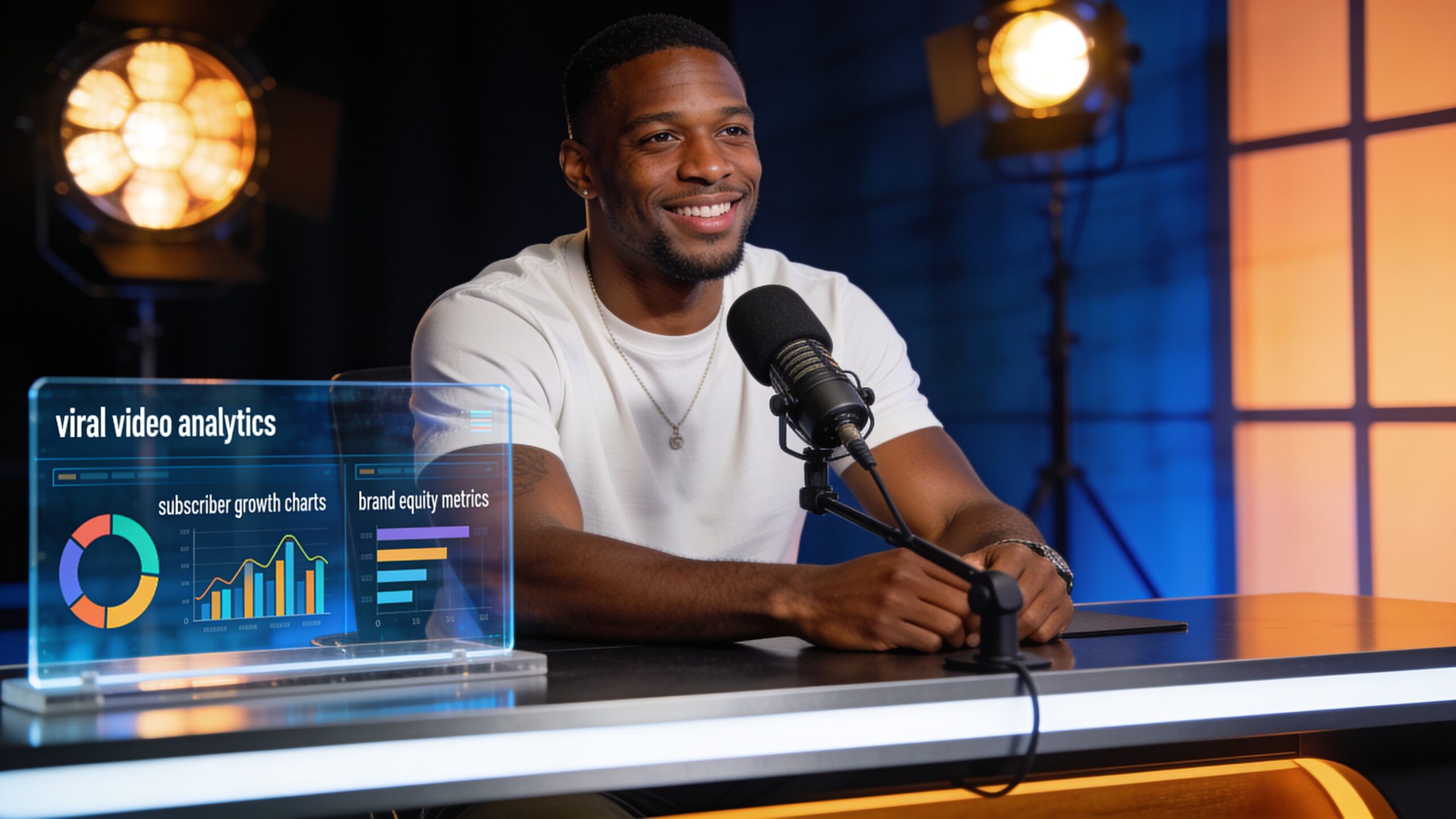
Creator athlete business model trends are fundamentally reshaping how professional athletes monetize their personal brands, manage intellectual property, and engage global fan bases across the United States and European nations. For decades, professional sports stars relied almost entirely on team contracts and passive endorsement deals mediated by traditional talent agencies. However, the rapid democratization of digital media, short-form video networks, and direct-to-consumer publishing platforms has allowed athletes to transform from traditional brand endorsers into full-fledged media companies and equity investors.
This structural shift reaches far beyond basic social media posting. Modern athletes build long-term enterprise value by retaining direct ownership over their content production, launching proprietary product lines, and negotiating equity stakes in high-growth startups rather than accepting one-off promotional fees. Understanding these commercial dynamics is essential for sports executives, brand marketers, media rights buyers, and sports business enthusiasts seeking to navigate the modern sports landscape.
Direct-to-Fan Media Networks in Creator Athlete Business Model Trends
Building proprietary media channels allows professional athletes to establish unmediated relationships with fans while retaining total control over their personal stories. This section explores athlete-led podcasting networks, behind-the-scenes video series, proprietary community apps, and content distribution deals.
Athlete-Owned Podcasting Networks and Unscripted Media
Launching athlete-hosted podcasts and digital talk shows gives competitors a platform to discuss game tactics, cultural trends, and personal stories without broadcast filters. Owning the underlying audio and video IP enables athletes to secure lucrative direct sponsorships and licensing agreements with major streaming platforms. Direct media ownership positions athletes as trusted commentary hosts, creating sustainable media careers that continue long after their physical playing days end.
Short-Form Behind-the-Scenes Digital Content Production
Producing authentic, behind-the-scenes content gives fans unprecedented access to off-field training routines, travel vlogs, and pre-game preparation rituals. Short-form video platforms allow athletes to publish daily updates that feel personal and unscripted, driving massive organic engagement rates compared to polished traditional advertising campaigns. Consistently delivering authentic lifestyle content turns casual sports fans into dedicated followers of the athlete’s personal brand.
Dedicated Community Membership Apps and Direct Monetization
Deploying private community applications and subscription channels allows athletes to monetize their core fan base directly through exclusive content drops and Q&A sessions. Removing third-party social media algorithms ensures that athletes maintain direct digital contact with their most loyal supporters. Direct monetization channels generate predictable recurring monthly revenue while protecting fan communication from sudden social media platform policy shifts.
Multi-Platform Content Syndication and Media Distribution Deals
Licensing athlete-produced digital shows to global broadcasting outlets creates additional high-margin revenue streams for player-owned media companies. Broadcasters purchase turned-key athlete media packages to attract younger demographics who favor authentic, personality-driven storytelling over traditional studio pre-game shows. Strategic content syndication expands an athlete’s international media reach while preserving their primary equity ownership in the underlying content library.
Equity Ownership over Sponsorships in Creator Athlete Business Model Trends
Replacing traditional fixed-fee endorsement contracts with performance-based equity stakes represents the defining financial evolution of modern athlete entrepreneurship. This segment details performance equity structures, venture studio partnerships, co-branded product lines, and board representation.

Performance-Based Equity Deals and Long-Term Capital Growth
Negotiating equity shares in early-stage consumer goods, wellness technologies, or athletic apparel brands aligns an athlete’s long-term wealth with corporate growth. Rather than receiving a single promotional check, athletes trade their marketing reach for ownership points that yield significant capital gains during company acquisitions or public stock offerings. Long-term equity partnerships transform athletes from temporary spokespeople into vested enterprise partners.
Athlete-Backed Venture Capital Studios and Angel Investment
Establishing dedicated venture capital funds allows groups of professional athletes to pool financial capital and invest systematically in high-growth tech startups. Athlete investors bring unique value to portfolio companies by providing instant promotional visibility, product testing feedback, and access to elite sporting networks. Structured venture investing diversifies athlete wealth across broader economic sectors, insulating their net worth from physical playing risks.
Co-Branded Proprietary Product Lines and Joint Ventures
Partnering with established manufacturers to create co-branded product lines grants athletes direct royalties and long-term product IP rights. Joint ventures allow athletes to leverage existing supply chains and retail distribution networks while maintaining creative input over design and marketing strategy. Developing owned physical products transforms an athlete’s personal brand into an enduring commercial enterprise that survives past retirement.
Executive Board Representation and Strategic Corporate Direction
Securing formal board advisory roles within portfolio companies allows athletes to actively shape corporate strategy, product development, and brand positioning. Advisory roles leverage the athlete’s authentic domain expertise in human performance, sports culture, and youth engagement. Taking active leadership positions builds valuable executive management experience, establishing the athlete as a serious participant in corporate boardrooms.
NIL Governance and Youth Pipeline Commercialization in Creator Athlete Business Model Trends
The legalization of Name, Image, and Likeness (NIL) rights in American collegiate athletics has accelerated commercial maturity down to younger competition levels. This section covers collegiate NIL strategy, collective governance, international athlete mobility, and personal brand building.

Collegiate NIL Revenue Strategies and Personal Brand Architecture
Structuring personal NIL commercial strategies allows collegiate student-athletes to generate substantial income through local business sponsorships, national media campaigns, and merchandise sales. Young athletes build dedicated digital media teams early in their careers to manage commercial contracts without compromising athletic performance or academic obligations. Developing commercial literacy early prepares collegiate stars for the complex financial demands of professional sports.
Collective Bargaining Governance and Institutional Compliance
Navigating complex collegiate NIL compliance rules requires athletes to coordinate closely with university compliance officers and legal advisors. Institutional compliance frameworks ensure that NIL agreements comply with state legislation and athletic conference regulations. Maintaining transparent, legally vetted commercial documentation prevents eligibility disputes and protects both the student-athlete and the university from regulatory sanctions.
International Collegiate Athlete Mobility and Visa Revenue Management
Managing commercial activities for international collegiate athletes competing in the United States requires navigating complex student visa work restrictions. Legal advisors construct specialized international NIL structures that allow non-US citizens to monetize their global digital footprint legally without violating visa terms. Compliant international business frameworks ensure foreign athletes can capitalize on their rising market popularity safely.
Early-Career Financial Literacy and Wealth Management Pipelines
Integrating mandatory financial education programs into early athletic development pipelines equips young competitors with essential tax management and investment skills. Specialized wealth management firms help teenage athletes set up formal corporate entities, manage income taxes across multiple jurisdictions, and build conservative investment portfolios. Early financial education prevents common economic pitfalls and secures lifelong financial stability.
Direct-to-Consumer Digital Commerce in Creator Athlete Business Model Trends
Leveraging short-form content feeds to drive immediate digital product sales allows athletes to capture consumer spend directly without retail intermediaries. This segment covers social commerce storefronts, digital collectibles, personalized training applications, and subscription merchandise.
Integrated Social Commerce Storefronts and Live Shopping
Deploying embedded shopping checkout tools inside short-form video feeds allows fans to purchase athlete-curated gear instantly while watching training clips. Frictionless social commerce converts passive video views into direct merchandise sales within seconds. Integrating live shopping streams during major sporting events allows athletes to capitalize on peak fan emotion and real-time athletic achievements.
Digital Collectibles and Authenticated Memorabilia Verification
Utilizing digital authentication technology and secure tracking tags guarantees the physical provenance of game-worn jerseys, equipment, and limited-edition merchandise. Verifiable digital certificates of authenticity protect collectors from counterfeit goods while establishing a secondary royalty stream for the athlete on future resales. Authenticated digital commerce elevates traditional sports memorabilia collecting into a secure, high-tech marketplace.
Subscription-Based Interactive Digital Training Platforms
Launching mobile fitness applications allows athletes to sell personalized workout routines, recovery plans, and nutrition guidance directly to global subscriber bases. Interactive fitness apps deliver scalable digital services that generate predictable recurring income without requiring physical inventory. Digital coaching platforms democratize access to elite athletic training wisdom while establishing a global digital footprint for the athlete.
On-Demand Limited-Drop Apparel and Fan Engagement
Utilizing print-on-demand manufacturing and flash-sale event models allows athletes to launch limited-edition apparel lines without taking on heavy inventory risks. Limited-drop releases generate high consumer urgency and viral social media excitement, driving rapid sell-out events. On-demand manufacturing eliminates excess inventory costs while maintaining high profit margins on official branded merchandise.
Frequently Asked Questions (FAQ)
What are creator athlete business model trends?
Creator athlete business model trends refer to professional athletes taking direct ownership of their media production, launching independent digital platforms, and taking equity stakes in companies instead of relying on traditional endorsement deals.
Why are athletes shifting from endorsement fees to equity deals?
Equity deals allow athletes to build long-term, compounding wealth through corporate ownership rather than receiving one-off promotional payments that end when a campaign finishes.
How do athletes monetize direct-to-fan media networks?
Athletes monetize their media networks through direct podcast sponsorships, platform licensing fees, subscription membership channels, and integrated social commerce sales.
What impact has NIL had on youth sports business models?
NIL legalizations allow student-athletes to monetize their personal brand early, build business experience, and establish financial literacy long before turning professional.
Final Conclusion
Adopting creator athlete business model trends is redefining the commercial sports landscape for players, franchises, and brand partners alike. By taking control of their media IP, securing equity ownership, and leveraging social commerce tools, modern athletes are building sustainable business empires that extend far beyond their physical athletic careers.
For brands and sports media organizations, partnering with creator-athletes requires moving away from traditional, transactional sponsorship contracts toward authentic, long-term equity collaborations. As direct-to-consumer commerce and athlete-owned media channels continue to expand, those who embrace these collaborative business models will drive the next era of sports business innovation.