
Cost of Living Crisis: The Plain-English Explanation Nobody Has Given You Yet
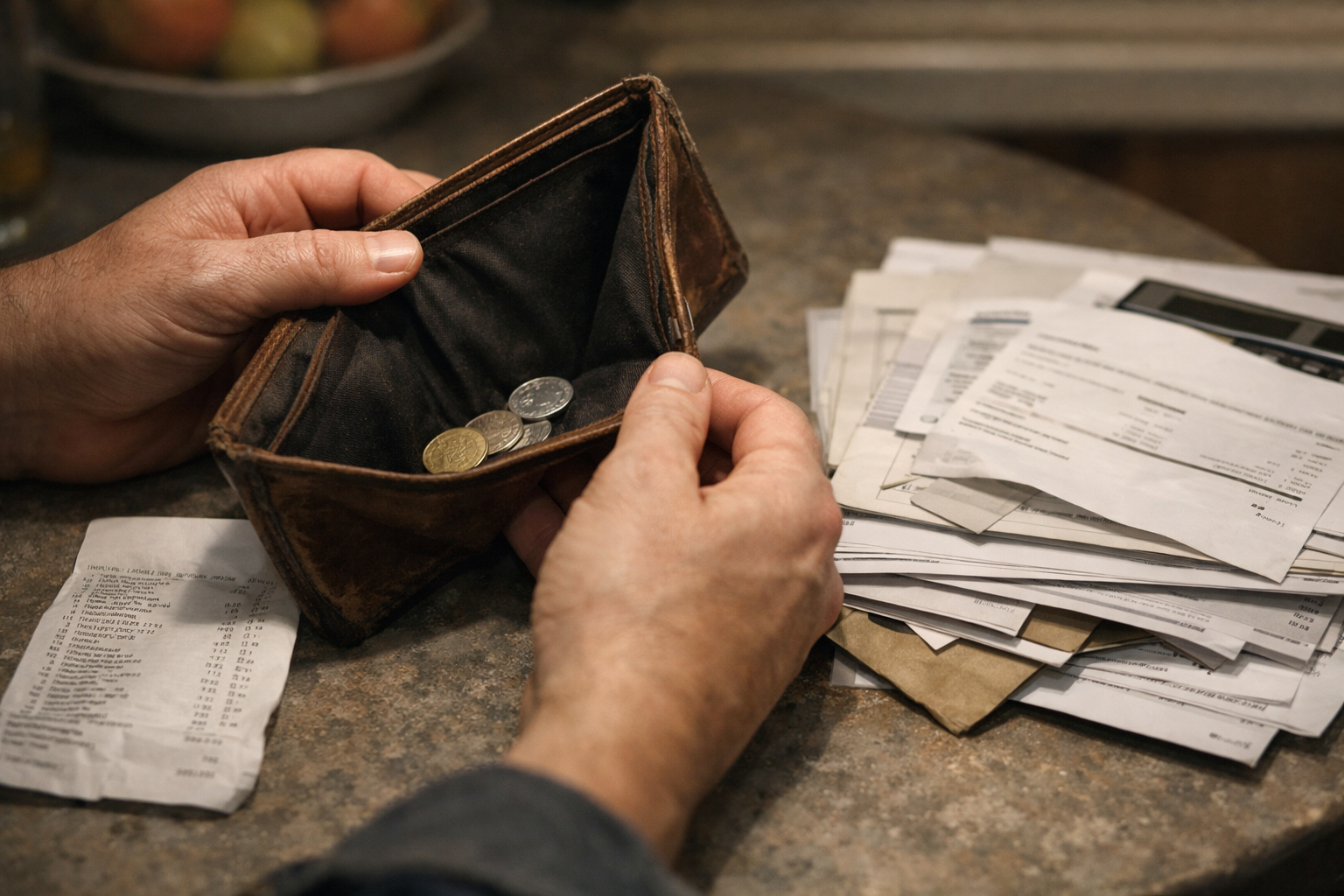
This issue is not merely the focus of media coverage; it is the very cause of many hardworking individuals throughout America and Europe struggling despite their efforts. You plan to the best of your ability; you pinch pennies when necessary, and you do without the luxuries; but regardless of what you do, you find yourself unable to make ends meet by the end of each month. Your food budget feels tight. Your rent payments seem unmanageable. Your utility bills loom ominously. And when the latest announcement comes from a political figure that prices are declining, you look to your own circumstances and wonder why.

This is what the cost of living crisis truly is all about – the fact that while many are constantly hearing that inflation rates have slowed down, people just cannot see any difference in their day-to-day life. (Inkfluence AI) And there is a very specific explanation to why it is so – and knowing that will be the very first step in tackling the problem. This article will tell you everything that you need to know about the cost of living crisis, its causes, victims, and what you can really do in order to protect yourself from it.
What the Cost of Living Crisis Actually Is — and Why It Has Not Gone Away
Everyone has definitely heard this phrase, but nobody explained to him or her precisely what this actually meant. Gaining insight into how this crisis works is important not only in an academic context – this knowledge can help you make good financial decisions today.
The Gap Between Rising Prices and Stagnant Wages
There is one aspect that is true about the cost of living crisis, and that is that prices have risen far quicker than wages. With the end of the pandemic, there has been an unprecedented global wave of inflation where prices have risen more quickly than wages, meaning that real wages for many people have fallen, and not just at the time of the surge in inflation but long after as well. (Link Assistant) If, over the course of three years, prices for food, energy, and rent have gone up by 20 percent while your income has gone up by 5 percent, you are poorer.
Why Housing Has Become the Biggest Driver of the Crisis
Housing is where it all starts with the cost of living crisis. The moment you start paying more rent or mortgage, everything else turns into a choice. It is no longer feasible to live an affordable life in 2026 since accommodation costs eat up all the money people earn in other areas – despite the fact that prices for other products may be stable. (Semrush) Renters feel the pain of increased rent bills, which take up an ever-larger portion of their income. Homeowners face increasing interest rates, which means higher monthly payments. First-time homebuyers know they can forget about becoming homeowners anytime soon.
Why Food Prices Hit So Much Harder Than Any Other Expense
Housing is monthly. Groceries are every few days. And that is the reason why food has come to be an extremely visceral element within the cost-of-living crisis. You can hold back on vacations, or you can hold back on purchasing furniture, but you absolutely cannot hold back on food purchases. (AI Inkfluence) The price of food is considerably higher compared to five years ago in both the United States and Europe due to the disruptions within supply chains, rising energy costs impacting food production, and in many cases, grocery industries dominated by a few companies with monopoly pricing power.
The Political Fallout That Shows This Is a Global Problem
The political consequences of cost of living issues seem far from over. In 2024, ruling parties were ousted due to voter dissatisfaction about expensive items in numerous countries. In 2026, the same trend is still going on, but now the cost of living issue is the major political problem in the USA, the UK, France, and Germany. (ClickRank) Currently, only seven percent of French people believe that their economy is good. This percentage is the lowest for more than ten years. In Germany, the issue of inequality caused by the cost of living crisis is currently the primary issue of voters. (Trending world) The current problem is not just a local one, it is a worldwide shift for each family from your target audience.
The Real Causes Behind the Cost of Living Crisis — Explained Simply
Politicians offer simple villains. The reality is more complicated — and more important to understand, because the causes determine which solutions actually work and which ones are simply noise.
How the Pandemic Created the Foundation for the Crisis
The disruptions of the global supply chain caused by the pandemic have been unprecedented for many years. Plants stopped functioning, containers were left in the wrong places, and when the demand rose abruptly upon reopening of the economy, there was no way to meet it. Post-pandemic inflation was caused by a number of factors including supply chain disruptions in the global market, an increase in demand, followed by rapidly escalating prices for oil. (Web Ascender) As a countermeasure, central banks raised interest rates, thus curbing inflation, but also making mortgage payments much harder.
How Energy Prices Amplified Every Other Cost
The increase in the prices of energy is not just reflected in the price of utilities; rather, they trickle down to the price of any goods produced or supplied anywhere. In some economies, electricity rates have become amongst the highest rates in the world; and inflation in the services sector due to increased costs to businesses is being felt directly by the consumer because of increasing prices in almost all sectors. (Web Ascender) For example, a bakery whose energy cost has tripled is passing on the same in bread prices; similarly, if a logistics firm’s cost of fuel increases, it will pass on its increased costs to all goods delivered.
How Trade Tariffs Are Adding Fresh Pressure in 2026
In the US, tariffs were imposed even with warnings of their inflationary consequences, which only added further upward pressure on prices of goods that consumers buy just when families were feeling the pinch in their pocketbooks. (ClickRank) Tariffs are an invisible tax levied on foreign imports — borne first by the importer and then by the retailer and ultimately by the consumer paying at the checkout line. For American families who have been feeling the pinch because of price hikes from the previous four years, the impact of tariffs is felt through higher prices on everything they buy.
Why the Crisis Feels Worse Than the Official Numbers Suggest
The cost floor has risen much quicker than the income floor, and the largest category, housing, has been permitted to operate as a wealth generator for those who already have homes instead of a basic need for all others. (Semrush) The numbers on inflation do not capture the true realities of spending by poorer and middle-class citizens, who have to spend a higher portion of their budget on housing, food, and fuel, which are never captured as accurately as in the inflation index. This means that when these three items increase together, inflation becomes far worse than what the statistics show.
Who the Cost of Living Crisis Is Hitting Hardest Right Now
The crisis is universal — but it is not hitting everyone equally. Understanding which groups face the greatest pressure helps frame the practical solutions in the next section.

Young Adults and First-Time Buyers Facing a Closed Door
Inflation, high housing prices, and greater indebtedness have caused a persistent cost of living issue especially for young people in America, causing them to postpone important life events and making their lives more financially stressful than previous generations. (Yotpo) This same scenario can be seen in countries such as the United Kingdom, Germany, France, and the Netherlands, where young individuals entering the housing market encounter a ratio of house prices to income that makes it impossible for them to own property except with substantial wealth from the family side.
Renters Facing the Fastest-Rising Housing Costs
Renters have been on the receiving end of this particular aspect of the rising cost of living. As opposed to those who pay their mortgages at fixed rates for a certain duration of time, renters have had their renewal rates rise by about 20 percent to even up to 40 percent in three years in the most expensive cities in the US and Europe. The more rent or mortgage rates increase in relation to the monthly take-home salary, the more the rest of the household expenditure gets squeezed. (Semrush) This leaves little room for anything else in terms of finances.
Middle-Income Households Squeezed From Both Directions
The living costs crisis is often presented as a poverty crisis — however, the reality is that middle-class families in both the US and Europe are under considerable strain that is not at the crisis level but still far from comfortable. These are the people who earn enough to not get any help but not so much that they could cope with price increases without compromising what is important. Price increases have emerged as one of the most important causes of dissatisfaction, protests, and elections around the world — despite seemingly healthy macroeconomic indicators in their countries. (ClickRank)
Older People on Fixed Incomes With Rising Essential Costs
Senior citizens living off fixed pensions have their own distinct and especially heartless manifestation of the cost of living crisis – the money they make remains the same while prices for their necessities such as energy, food, and health care have increased the most rapidly. Although it is expected that there will be fewer concerns about inflation in 2026, the problem of the cost of living crisis is not limited to inflation – prices have remained high and have even kept increasing faster than certain fixed sources of income. (Web Ascender) The pension which would allow one to live comfortably in 2019 is now much less effective in 2026.
What Ordinary People Can Actually Do Right Now
It is essential to understand the crisis, but actions speak louder than words. While they may not be able to remedy the structural challenge, they constitute the best means available to households struggling with a tough economic environment.

The Subscription and Spending Audit That Finds Hidden Money
The fastest action that most families could possibly undertake is conducting an audit of their entire list of regular expenditures. The most pragmatic solution for tackling the problem of rising cost of living involves getting back the money that is being sent out unnecessarily from your bank accounts. It is through renegotiation of contracts and cancellation of unnecessary expenditure that most families find themselves able to save their money in the first 30 days of serious consideration. Inkfluence AI. Set aside 2 hours and look at the past 3 months’ worth of your bank statements and renegotiate anything that you feel is unnecessary. You will probably find $50-$200 a month worth of savings.
Reducing Your Food Bill Without Reducing Your Quality of Life
Food is the line item that offers the most obvious leeway in terms of flexibility for any household. Shifting from branded to store-branded goods in all the major categories of groceries will result in savings of 20 to 40 percent on those products without any real difference in quality. Planning ahead of shopping trips will help eliminate the impulsive decisions and wastage which drive up food costs considerably higher than what the household actually requires. Wage growth was positive for some markets after late 2023 – yet even then, it doesn’t compensate for five years of rising food prices, thus making grocery management a valuable response for households.
Building a Financial Buffer When There Is Almost Nothing to Save
The worst thing about cost of living problems is that nothing is left for savings after all the necessary things have been paid. The first step here is to start small. What really matters is the beginning of the journey — putting aside twenty dollars or twenty pounds a month will create that saving habit and financial cushion which can help you survive an unpredictable situation. (Inkfluence AI) Automation of your payments on the payday means that you don’t even make a choice, which makes the process easier. In three months, you will be able to re-evaluate the situation, but a bit of money saved is already enough to avoid becoming a victim of a debt crisis.
The Longer-Term Steps Worth Taking Now Despite the Difficulty
The world is facing an affordability problem that is not likely to go away anytime soon, and people who see the issue for what it is and understand that they have no choice but to get used to it will fare much better at dealing with it. (ClickRank) This translates into developing a skill set that will eventually earn you more money, finding alternative income opportunities, and being strategic when it comes to rent, which represents the largest chunk in almost any budget. The living-cost crisis has demonstrated longevity, and only equally long-term approaches will bring results. Doing something now, even if you are not sure of your actions, leaves you ahead of those who do nothing until the situation resolves on its own.
❓ FAQ
Q1: What is causing the cost of living crisis in 2026?
Several factors contributed to the cost-of-living crisis simultaneously, including pandemic-related disruptions to the supply chains that increased prices, energy price hikes that affected prices across all sectors, an extreme shortage of affordable housing, and very low wage increases compared to price hikes in most countries. Additional factors such as trade tariffs put into effect in 2025 and 2026 caused prices to increase further.
Q2: Is the cost of living crisis the same in the USA and Europe?
The current crisis is an international one with varied nature from country to country. While in the US, rising housing expenses and inflation from tariffs are the key factors, in the UK, higher energy costs and increased cost due to the post-Brexit situation have proved more pronounced. Both France and Germany share the same trend with their citizens having the lowest economic confidence in decades. The connecting factor here has been high price inflation outpacing salary increases.
Q3: When will the cost of living crisis end?
However, while inflation rates have slowed since their peak, prices remain at the same level and only stopped increasing. This increase in prices over the last few years has become the new normal. There are no predictions that prices will return to pre-2020 levels among economists. The solution here is that it is easier to adapt one’s finances rather than expect prices to drop back down.
Q4: What is the single most effective thing I can do right now?
Do an audit of all recurring outgoing payments from your bank account. This includes subscriptions, bills, insurance premiums, and utility costs. Families generally save from $50 to $200 a month through cancellations, reductions, and renegotiations of payments. The whole process requires two hours of work and will provide benefits within one month’s time frame. This is by far the quickest method for every family to try out.
📝 Conclusion
This cost of living crisis has not been brought upon us due to our poor decision-making as individuals. It has occurred due to global circumstances, including pandemics, energy price increases, failures in the housing market, and policy choices, all of which have built up faster than we can keep up in terms of wages. Not only is it important to comprehend what has led to this crisis as knowledge; it is crucial because it takes away the blame from a circumstance that is systemic and not about us personally. While the tips included here may not solve our cost of living crisis globally, they will definitely help make our household financially resilient despite the crisis.