
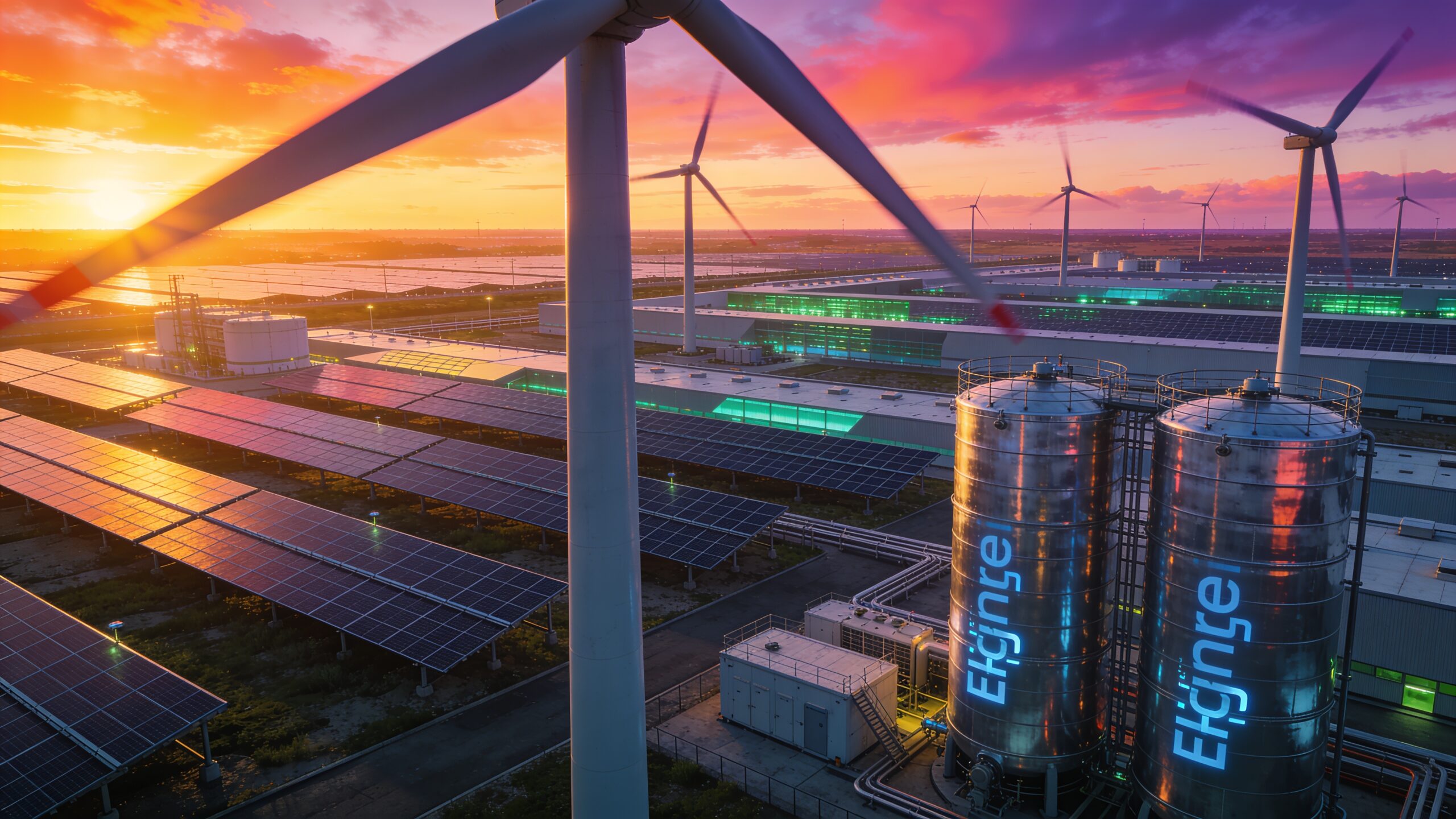
Global Renewable Energy Transition Strategies: 2026
Global renewable energy transition strategies represent the definitive roadmap shaping international climate policy, national security, and economic modernization across the United States and European nations today. As nations worldwide accelerate efforts to decarbonize industrial supply chains and power grids, shifting from fossil fuels to clean power generation has evolved into a strategic necessity. International cooperation and technological innovation now drive systemic shifts toward sustainable energy infrastructure, ensuring long-term environmental protection and grid resilience.
Achieving a seamless global transition requires multi-faceted cooperation across engineering, policy, finance, and community development domains. From scaling utility-scale solar arrays and offshore wind turbines to deploying advanced grid-scale battery storage and green hydrogen production, modern energy infrastructure demands unprecedented capital investment. Understanding these international energy strategies empowers citizens, business leaders, and policymakers to support clean energy adoption, drive economic prosperity, and secure a sustainable planet for future generations.
Solar Power Expansion in Global Renewable Energy Transition Strategies
Accelerating photovoltaic solar deployment forms the primary generation pillar in global renewable energy transition strategies for decarbonizing global power grids. This section covers utility-scale solar farms, bifacial photovoltaic panels, microgrid community installations, and automated solar panel maintenance.

Utility-Scale Solar Arrays and Grid Integration
Utility-scale solar power plants generate gigawatts of clean electricity, displacing coal and natural gas generation facilities across developed nations. Advanced tracking systems tilt solar arrays toward the sun throughout the day, maximizing total daily energy harvest. Integrating massive solar generation capacity into existing electrical distribution networks requires high-voltage direct current transmission lines, ensuring clean energy reaches distant urban population centers smoothly and efficiently.
Bifacial Photovoltaic Technology and Energy Yield Optimization
Bifacial solar panels absorb sunlight from both front and rear surfaces, capturing light reflected off the ground beneath them. Generating power from reflected ambient light boosts total energy yields by up to thirty percent compared to traditional single-sided panels. Deploying bifacial technology over high-albedo surfaces like light gravel or sand optimizes land usage, lowering long-term electricity generation costs for utility companies.
Community Microgrids and Decentralized Energy Resilience
Local solar microgrids equipped with localized storage batteries provide decentralized power independence to regional communities and rural municipalities. Microgrids operate connected to main electrical grids or function independently during severe weather outages or equipment failures. Decentralized energy architectures enhance community disaster resilience, protect critical medical facilities, and empower local neighborhoods to generate, store, and manage their own clean electrical power.
Automated Drone Maintenance and Thermal Inspection Systems
Utilizing autonomous inspection drones equipped with thermal imaging cameras streamlines solar farm operation and maintenance routines. Drones scan thousands of photovoltaic modules quickly, pinpointing cracked cells, wiring faults, or dirty panel surfaces without manual technician labor. Rapid automated defect detection prevents energy generation losses, extends solar panel working lifespans, and maintains peak operational efficiency across expansive solar power facilities.
Offshore Wind Development in Global Renewable Energy Transition Strategies
Harnessing oceanic wind power represents an expansive generation frontier within global renewable energy transition strategies across coastal economies. This segment details deep-water floating wind platforms, next-generation high-capacity turbines, marine ecosystem protection, and specialized port infrastructure.
Floating Offshore Wind Platforms and Deep-Water Access
Floating offshore wind platforms allow energy developers to deploy giant wind turbines in deep oceanic waters far off coastline shores. Tethered to seabed anchors with heavy steel cables, floating platforms harvest stronger, more consistent ocean winds unavailable near shallow shorelines. Deep-water floating technology unlocks vast coastal offshore wind potential, generating massive quantities of clean electricity without disrupting nearshore coastal views.
Next-Generation High-Capacity Turbines and Aerodynamic Efficiency
Modern offshore wind turbines feature massive rotor blades spanning over one hundred meters, capable of powering thousands of homes with a single revolution. Advanced lightweight composite materials increase structural blade durability while maximizing aerodynamic performance in harsh ocean environments. Scaling up turbine generation capacities drastically reduces installation costs per megawatt, making offshore wind power highly competitive with traditional fossil fuel sources.
Marine Ecosystem Protection and Environmental Impact Mitigation
Designing ocean wind farms with environmental care protects delicate marine habitats, migrating bird populations, and aquatic biodiversity. Noise-mitigation bubble curtains deployed during underwater foundation piling protect sea mammals from disorienting sound waves. Long-term oceanographic monitoring proves that underwater turbine foundations often act as artificial reefs, providing safe shelter and boosting local fish populations over time.
Specialized Deep-Water Port Infrastructure and Vessel Fleets
Scaling offshore wind capacity requires heavy-lift port facilities equipped with reinforced quays, giant crane ships, and specialized installation vessels. Coastal logistics hubs handle assembly, transportation, and maintenance operations for massive steel turbine components efficiently. Upgrading maritime port infrastructure creates thousands of skilled marine engineering jobs while establishing reliable supply chains capable of supporting rapid offshore wind installation schedules.
Battery Storage Integration in Global Renewable Energy Transition Strategies
Deploying utility-scale energy storage solves renewable intermittency challenges within global renewable energy transition strategies for grid operators. This section covers grid-scale lithium-iron-phosphate batteries, long-duration flow battery systems, vehicle-to-grid integration, and intelligent AI load balancing.
Grid-Scale Lithium-Iron-Phosphate Energy Storage Systems
Utility-scale lithium-iron-phosphate battery installations store excess daytime solar and wind electricity for release during peak evening demand hours. Iron-based battery chemistry offers high thermal stability, long cycle lifespans, and enhanced safety compared to traditional cobalt-based battery designs. Rapid battery discharge capability stabilizes power grid frequencies instantly during sudden demand spikes, preventing blackout events and eliminating reliance on dirty gas peaker plants.
Long-Duration Flow Batteries and Multi-Day Power Reserves
Vanadium redox flow batteries store electrical energy in liquid chemical electrolyte tanks, providing long-duration energy discharge lasting twelve hours or more. Flow battery systems scale capacity simply by enlarging storage tank sizes, offering non-degrading performance over decades of continuous operation. Deploying long-duration energy storage guarantees electrical grid stability during multi-day weather events when solar and wind power generation drops significantly.
Vehicle-to-Grid Technology and Electric Vehicle Fleet Storage
Vehicle-to-grid systems allow parked electric vehicles to feed stored battery electricity back into regional power grids during peak stress periods. Bi-directional charger networks transform connected electric cars into a distributed, flexible energy storage reservoir. Vehicle owners earn financial incentives by supporting grid stability, while utility companies gain access to massive decentralized energy reserves without building standalone battery power facilities.
Artificial Intelligence Algorithms and Predictive Grid Load Balancing
Intelligent machine learning algorithms analyze historical weather patterns, real-time energy prices, and consumer demand forecasts to optimize battery charge cycles. Smart software routes electricity dynamically across regional transmission networks, matching fluctuating clean power supply with changing consumer demand instantly. Automated AI energy management minimizes transmission waste, lowers wholesale electricity costs, and ensures maximum operational efficiency across complex renewable power grids.
Green Hydrogen Adoption in Global Renewable Energy Transition Strategies
Developing clean hydrogen fuels addresses hard-to-abate industrial emissions within global renewable energy transition strategies across international manufacturing sectors. This section explores water electrolysis technology, zero-emission steel production, long-haul freight transport, and international hydrogen transport pipelines.
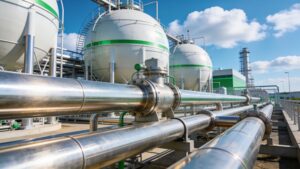
High-Efficiency Water Electrolysis and Renewable Electricity
Green hydrogen production uses renewable solar and wind electricity to split water molecules into pure hydrogen and oxygen gas via electrolyzers. Producing zero-carbon hydrogen fuel eliminates fossil fuels from chemical manufacturing, fertilizer production, and heavy industrial processing applications. Scaling up electrolyzer manufacturing capacity reduces hydrogen production costs rapidly, making green hydrogen a viable zero-emission replacement for natural gas in heavy industry.
Zero-Emission Industrial Steel Manufacturing and Iron Ore Reduction
Replacing fossil coke coal with green hydrogen in iron ore direct reduction processes revolutionizes global steel manufacturing standards. Hydrogen reacts with iron ore to produce pure water vapor instead of massive carbon dioxide emissions during smelting. Transitioning heavy industrial manufacturing to green hydrogen pathways drastically cuts global industrial greenhouse gas emissions, creating sustainable building materials for future zero-carbon urban infrastructure.
Heavy Duty Long-Haul Freight and Maritime Clean Transportation
Fuel cell electric powertrains running on compressed green hydrogen offer long driving ranges and rapid refueling times for heavy freight trucks. Hydrogen energy density surpasses chemical batteries for long-haul shipping vessels, heavy construction machinery, and transatlantic commercial aircraft. Adopting hydrogen fuel cells decorate global logistics supply chains without requiring heavy battery weight penalties or long battery charging downtime periods.
Transcontinental Hydrogen Pipeline Networks and Global Distribution
Building dedicated hydrogen pipeline networks and converting existing natural gas pipelines enables safe, large-volume energy distribution across international borders. Liquefying green hydrogen into synthetic ammonia allows safe transport via ocean tanker ships from sunny production regions to industrial nations. Establishing global hydrogen supply chains creates a secure international energy trade system based entirely on clean, renewable fuels.
Frequently Asked Questions (FAQ)
What is the difference between green hydrogen and traditional grey hydrogen?
Green hydrogen is produced by splitting water using electricity generated entirely from renewable sources like solar and wind, creating zero carbon emissions. Grey hydrogen is produced from natural gas using steam methane reforming, which releases significant carbon dioxide emissions into the atmosphere.
How do battery storage systems solve the intermittency issue of solar and wind power?
Battery storage systems capture excess electricity produced during peak solar or wind hours and store it for later use. When the sun sets or wind speeds drop, batteries discharge energy back into the power grid, maintaining a steady, uninterrupted electricity supply.
What are the main advantages of offshore wind over onshore wind power?
Offshore wind turbines benefit from stronger, more consistent ocean winds, allowing them to generate significantly more electricity than land turbines. Additionally, offshore installations avoid land space constraints and visual impacts near populated urban regions.
Can existing natural gas pipelines be used to transport hydrogen?
Existing natural gas pipelines can be retrofitted or blended with up to 15-20% hydrogen without major structural modifications. However, transporting 100% pure hydrogen over long distances requires specialized pipeline materials and compression equipment due to hydrogen’s smaller molecular size.
Final Conclusion
Embracing global renewable energy transition strategies is essential for building a clean, secure, and economically resilient future across the globe. By accelerating solar power installation, developing deep-water offshore wind platforms, integrating grid-scale battery storage, and advancing green hydrogen fuels, nations can successfully phase out fossil fuel dependence. These interconnected technological solutions protect natural ecosystems, stabilize global energy prices, and generate millions of high-quality green jobs.
As international leadership across North America and Europe continues driving climate commitments, investing in modern clean energy infrastructure guarantees long-term economic competitive advantages. Collaborative efforts among governments, private technology companies, and local communities will determine the speed and success of this global energy transformation. Supporting clean energy policies and sustainable lifestyle choices today ensures a vibrant, carbon-neutral world for generations to come.

1 thought on “Global Renewable Energy Transition Strategies: 2026”