
Modern Film Production and Streaming Distribution Trends
Modern film production and streaming distribution trends have reshaped how entertainment content is created, financed, and delivered across North America and European nations. The global entertainment industry has transitioned from rigid studio systems to flexible hybrid release models, where virtual production technology, direct-to-consumer streaming algorithms, and global theatrical strategies operate in tandem. Independent directors and major studio executives alike must navigate a rapidly shifting landscape where audience viewing habits determine greenlight decisions, marketing budgets, and windowing schedules.

Understanding how entertainment moves from initial concept to home screen requires examining both creative filmmaking innovations and complex distribution economics. Film sets rely increasingly on real-time visual rendering, while distribution platforms leverage artificial intelligence to personalize user recommendations and predict subscriber retention. By analyzing the structural shifts across virtual production stages, theatrical windowing strategies, digital rights management, and audience engagement models, industry professionals and movie enthusiasts gain a clear perspective on the future of cinematic storytelling.
Virtual Production and On-Set Technological Innovation in Modern Film Production and Streaming Distribution Trends
Advancements in studio technology have transformed physical filming practices across international entertainment hubs. This section examines virtual LED volumes, real-time camera tracking systems, artificial intelligence editing workflows, and cloud-based collaborative post-production environments.

LED Volumes and Real-Time In-Camera Visual Effects
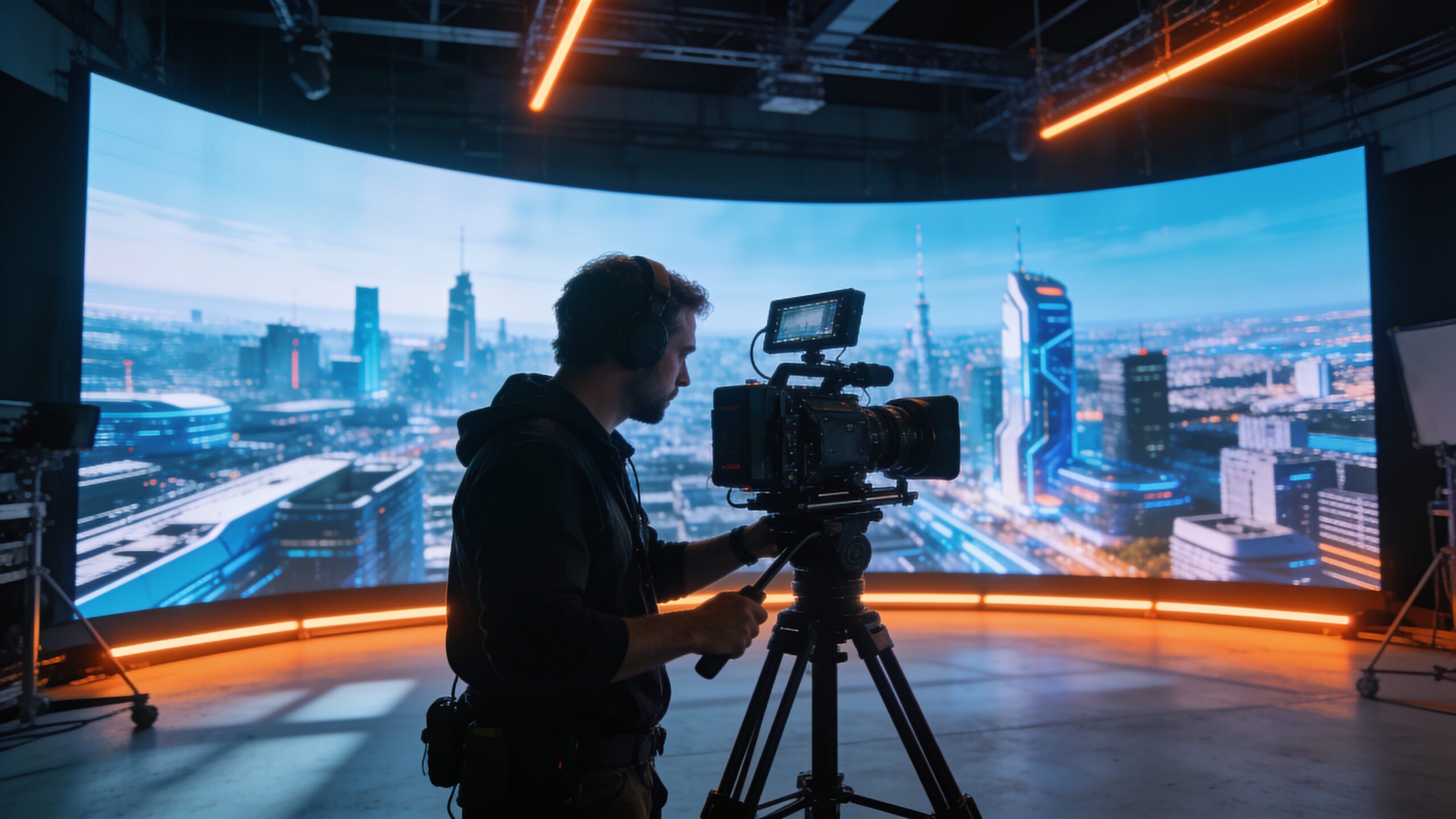
Replacing traditional green screens with massive LED volumes allows filmmakers to capture complex visual effects directly in-camera during principal photography. Actors perform inside immersive digital environments that project photorealistic landscapes, dynamic lighting shifts, and realistic background reflections continuously. This technology cuts expensive post-production visual effects budgets, speeds up shooting schedules, and gives performers immediate visual feedback on set, resulting in far more natural on-screen performances.
Precision Optical Camera Tracking and Spatial Synchronization
Integrating precision optical tracking sensors onto cinema cameras synchronizes real-world camera movements seamlessly with virtual background environments. As the physical camera pans, tilts, or moves along dolly tracks, high-speed graphics engines recalculate the digital background’s perspective in real time. This flawless spatial alignment eliminates parallax errors during live filming, enabling directors to compose complex cinematic shots without encountering edge distortion or computational delays.
Artificial Intelligence Workflows in On-Set Post-Production Editing
Deploying automated artificial intelligence tools on film sets accelerates daily assembly cuts, audio cleanup, and color grading tasks significantly. Machine learning algorithms analyze raw footage instantly, tagging scene metadata, syncing multi-camera audio tracks, and generating proxy files for off-site editorial teams automatically. Streamlining these repetitive technical tasks gives editors more time to focus on story pacing, emotional resonance, and creative visual rhythm throughout editing.
Cloud-Based Collaborative Post-Production and Remote Review Systems
High-speed cloud infrastructure allows global creative teams to collaborate on high-resolution film edits simultaneously from different continents. Secure cloud servers enable directors, sound designers, and colorists located across Los Angeles, London, and Paris to review frame-accurate cuts in real time. Eliminating physical hard drive shipping reduces post-production turnaround times, lowers studio overhead costs, and allows indie projects to access elite worldwide talent.
Theatrical Windowing and Release Economics in Modern Film Production and Streaming Distribution Trends
Evolving theatrical release models balancing box office revenues against streaming subscriber acquisition strategies. This segment explores shortened exclusive theatrical windows, simultaneous hybrid digital drops, international market localization, and premium video-on-demand pricing structures.

Shortened Exclusive Theatrical Windows and Revenue Maximization
Shortening exclusive theatrical release windows from traditional ninety-day timelines down to forty-five or thirty days has rewritten film distribution economics completely. Distributing films to digital platforms faster allows studios to capitalize on initial theatrical marketing campaigns while consumer awareness remains extremely high. This strategic window compression maximizes home viewing rental revenues without cannibalizing theatrical box office earnings during a movie’s primary opening weeks.
Day-and-Date Hybrid Digital Release Models and Subscriber Growth
Launching major motion pictures simultaneously in cinemas and on subscription streaming platforms targets diverse global audience viewing preferences. While day-and-date releases can suppress opening weekend theatrical grosses, they drive massive spike subscriber sign-ups for studio-owned digital apps. Balancing subscription revenue growth against traditional ticket sales requires distributor executives to evaluate target audience demographics, genre appeal, and production budget thresholds carefully.
International Market Localization and Global Box Office Dynamics
Tailoring theatrical releases for diverse European and North American territories requires strategic dubbing, subtitling, and regional cultural censorship adaptations. Studios coordinate global premiere dates to combat digital piracy while maximizing international marketing momentum across major film festivals. Understanding regional audience preferences enables distributors to allocate theatrical screen counts efficiently, ensuring blockbuster films achieve maximum global box office profitability during their runs.
Premium Video-On-Demand Pricing Strategies and Direct Monetization
Offering high-budget feature films via Premium Video-on-Demand (PVOD) at elevated rental prices creates lucrative revenue streams prior to subscription streaming drops. Consumers happily pay premium prices to stream first-run theatrical movies from home comfort before standard digital release dates. This direct-to-consumer monetization window allows studios to recover production costs rapidly, providing a financial safety net for mid-budget indie films.
Streaming Platform Algorithms and Audience Engagement in Modern Film Production and Streaming Distribution Trends
Data-driven recommendation engines shape content greenlighting decisions and long-term subscriber retention rates today. This section covers personalized algorithmic discovery, audience viewing metrics, micro-budget niche acquisition, and interactive streaming format developments.
Algorithmic Recommendation Engines and Content Personalization
Streaming platforms leverage complex machine learning algorithms to analyze user viewing histories, search queries, and session pause frequencies continuously. Personalizing homepage layouts, dynamic thumbnail artwork, and tailored content recommendations keeps subscribers engaged longer on the service. This automated discovery engine surface niche independent films to interested viewers, extending content shelf-life far beyond traditional theatrical box office lifespans.
Data Analytics and Predictive Content Greenlighting Decisions
Analyzing massive troves of subscriber viewing metrics guides streaming executives when deciding which film scripts, genres, and cast members to greenlight. Predictive analytics identify emerging genre trends and audience preferences, minimizing financial risk when committing multi-million-dollar production budgets to original projects. Data-driven development ensures studios produce content specifically tailored to active subscriber demands, maximizing overall platform retention rates.
Micro-Budget Niche Film Acquisition and Direct Audience Monetization
Direct-to-consumer digital distribution channels empower independent filmmakers to monetize specialized niche projects directly without traditional studio middlemen. Dedicated streaming apps catering to specialized genres—such as horror, art-house cinema, or documentary—provide reliable audience pools. Bypassing broad theatrical releases allows indie creators to generate sustainable subscription and transactional revenue streams from passionate, highly targeted fanbases globally.
Interactive Choice-Driven Storytelling and Gamified Viewership
Developing interactive, branching-narrative films transforms passive viewers into active story participants, boosting overall viewer engagement metrics. Custom media player frameworks allow audiences to make real-time plot choices that alter story outcomes dynamically. This gamified viewing experience increases replay value significantly, as subscribers return to explore alternate storyline pathways, driving platform engagement and social media discussion.
Independent Financing and Intellectual Property Strategies in Modern Film Production and Streaming Distribution Trends
Navigating film financing structures ensures independent projects achieve financial viability and creative independence today. This segment details pre-sales territorial licensing, fan-backed crowdfunding models, tax incentive equity stacking, and intellectual property universe expansion.

Pre-Sales Territorial Licensing and Independent Equity Structuring
Securing independent film financing relies heavily on selling foreign territorial distribution rights to international buyers at major film markets. Independent producers leverage signed distributor pre-sale contracts as collateral to secure bank finishing loans for principal photography. Structuring film equity through pre-sales mitigates investor risk while ensuring the project secures guaranteed distribution across key European and North American territories.
Fan-Backed Crowdfunding and Decentralized Community Equity
Utilizing digital crowdfunding platforms allows creators to bypass traditional studio gatekeepers by raising production capital directly from fans. Equity crowdfunding models grant backers fractional ownership stakes or exclusive behind-the-scenes rewards in exchange for early financial support. Building an engaged community during pre-production creates an active brand ambassador network that promotes the film organically across social networks prior to release.
Regional Tax Incentive Stacking and Production Location Audits
Optimizing film budgets requires production managers to stack transferable tax credits, rebates, and production grants across hospitable filming jurisdictions. European nations and American states offer lucrative percentage rebates on local crew hires, equipment rentals, and studio facility fees. Combining regional tax incentives effectively lowers net production expenses by up to thirty percent, enabling higher visual production value on screen.
Intellectual Property Universe Expansion and Multi-Platform Licensing
Building recognizable intellectual property into multi-platform transmedia franchises maximizes long-term brand monetization opportunities for film studios. Successful feature film concepts expand rapidly into spin-off series, video games, graphic novels, and branded merchandise lines. Diversifying revenue streams across multiple media channels protects production companies against single-project box office failures, establishing durable, recurring enterprise value over time.
Frequently Asked Questions (FAQ)
What are modern film production and streaming distribution trends?
Modern film production and streaming distribution trends refer to the integration of advanced technologies like LED virtual production volumes with hybrid digital release strategies, algorithmic recommendation engines, and shortened theatrical windows.
How does virtual production using LED volumes benefit filmmakers?
Virtual production allows filmmakers to capture photorealistic visual effects directly in-camera during principal photography. This reduces post-production visual effects costs, speeds up shooting schedules, and provides realistic lighting and reflections on set.
What is the typical theatrical window for major studio films today?
Most major studios currently utilize a shortened exclusive theatrical window of thirty to forty-five days before transitioning films to Premium Video-on-Demand (PVOD) or direct-to-consumer subscription streaming platforms.
Why are algorithms critical to streaming platform success?
Algorithms analyze subscriber viewing histories to deliver personalized content recommendations and dynamic thumbnail art. This personal discovery process increases viewer engagement, reduces subscriber churn, and helps surface niche indie films.
Final Conclusion
Embracing modern film production and streaming distribution trends is essential for filmmakers, studio executives, and media distributors striving to thrive in today’s dynamic entertainment landscape. Combining real-time virtual production tools, data-driven greenlighting decisions, flexible windowing models, and strategic fan engagement creates a resilient framework for contemporary storytelling. Transitioning away from outdated release structures allows creators to reach global audiences more effectively while maintaining economic viability.
As viewing habits continue to evolve across North American and European markets, mastering the intersection between creative cinematic technology and digital distribution economics remains paramount. Prioritizing high-quality production value, audience personalization, and diversified intellectual property financing safeguards entertainment projects against market volatility. Implementing these forward-thinking strategies ensures filmmakers can produce compelling stories that captivate viewers across screens of every size for years to come.