
Trade Show ROI and Corporate Event Sponsorship Trends
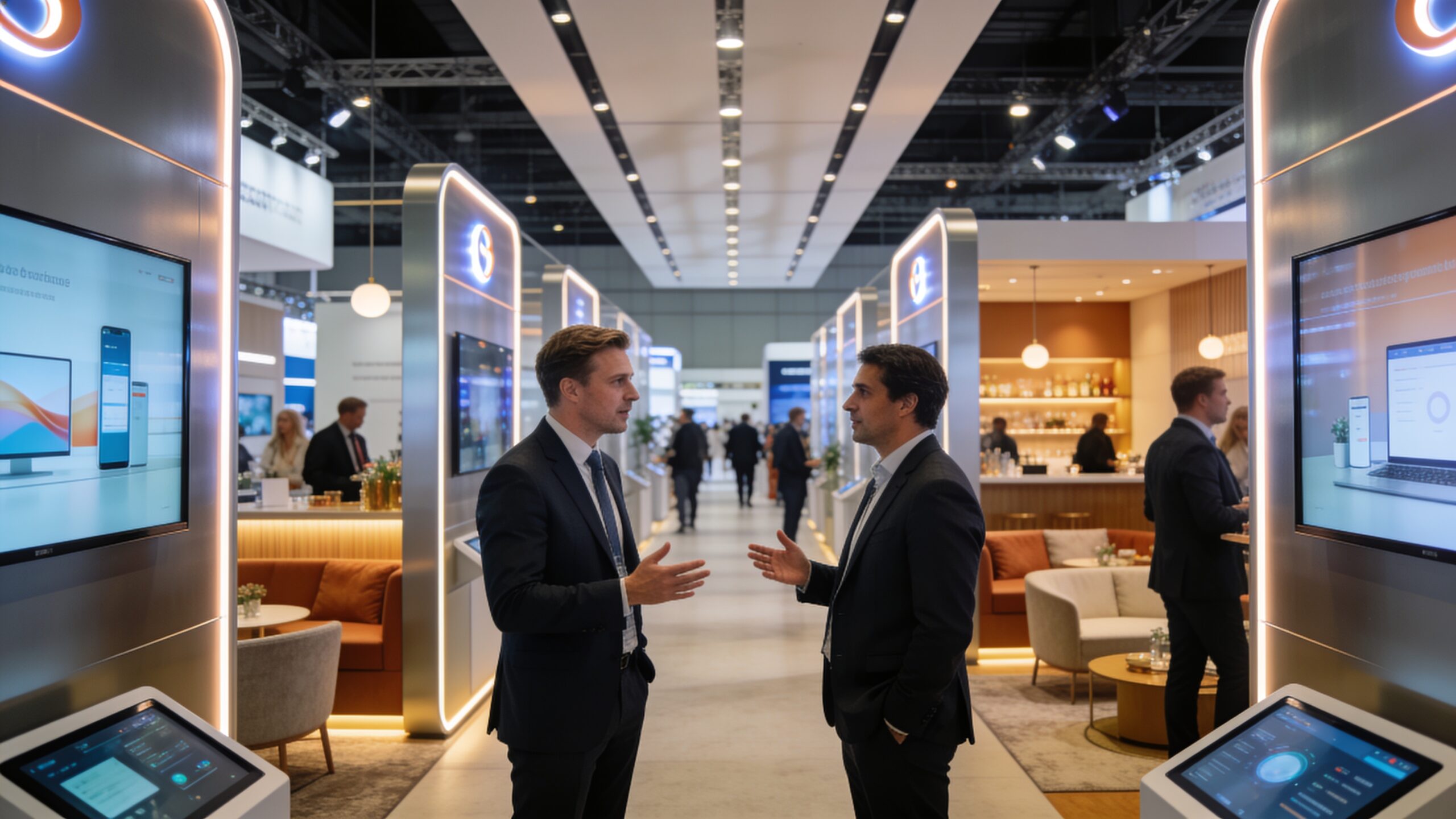
Trade show ROI and corporate event sponsorship trends have become central to B2B growth strategies across North America and European markets. Organizations invest millions annually to secure exhibit footprints, build modular storytelling booths, and sponsor key event experiences. However, rising venue costs and changing buyer behaviors have forced corporate marketing teams to abandon passive logo exposure in favor of rigorous, data-backed ROI metrics and interactive brand activations.
Navigating modern B2B event marketing requires understanding both pre-event audience targeting and post-event lead nurturing mechanics. Event managers and corporate sponsors rely on first-party data capture, AI-driven attendee matching, and transparent carbon auditing to justify multi-tiered sponsorship budgets. By evaluating asset valuation, hybrid digital engagement, technology integrations, and multi-touch lead conversion pipelines, businesses build sustainable event programs that drive predictable revenue.
Asset Valuation and Package Customization in Trade Show ROI and Corporate Event Sponsorship Trends
Modern corporate event sponsorships demand precise monetary valuation and customized asset packaging to justify significant marketing expenditures. This section examines audience value propositions, tiered asset mapping, customized sponsor packages, and data-backed performance reports.

Defining Audience Value Propositions and Demographic Profiling
Establishing clear audience value propositions requires event organizers to profile attendee demographics, purchasing authority, and industry roles thoroughly. Sponsors purchase direct access to curated decision-makers rather than generic foot traffic. Post-event surveys and registration analytics uncover attendee pain points, enabling organizers to demonstrate precise audience alignment to corporate partners before initial sponsorship negotiations take place.
Tiered Asset Mapping and Strategic Pricing Architectures
Mapping sponsorship assets into distinct pricing tiers provides a clear baseline framework for potential corporate sponsors. Organizers catalog high-value inventory like keynote introductions, segmented email blasts, VIP lounge naming rights, and digital app banners. Assigning clear monetary values to each asset prevents price undercutting while providing multi-level options for brands with varying budget sizes.
Tailored Asset Bundles and Custom Sponsor Activation Menu
Moving beyond rigid, one-size-fits-all sponsorship decks allows organizers to craft custom activation packages aligned with sponsor goals. Offering a flexible menu of digital and physical assets enables companies to target specific business objectives, such as executive lead generation or product launches. Tailored packages increase sponsor renewal rates by ensuring every dollar invested directly supports measurable quarterly performance targets.
Monthly Digital Impact Reporting and Performance Attribution
Delivering transparent post-event and monthly digital impact reports establishes trust between event producers and corporate sponsors. Reports quantify digital banner impressions, app clicks, QR-code scans, and booth foot traffic using consolidated data dashboards. Providing verifiable engagement data proves sponsor return on investment, securing long-term partner retention and higher funding tiers for subsequent events.
Interactive Booth Design and Experiential Activations in Trade Show ROI and Corporate Event Sponsorship Trends
Static exhibition booths are rapidly giving way to immersive, narrative-driven experiences that actively engage trade show attendees. This segment explores hands-on product demonstrations, hospitality-style networking lounges, branded wellness zones, and gamified engagement hubs.

Narrative-Driven Modular Booth Designs and Hands-On Demos
Replacing passive display banners with interactive, modular booth architectures guides attendees through a structured solution story. Visitors participate in hands-on product demonstrations, touchscreens, and physical prototypes rather than viewing static screens. Immersive booth environments significantly outpace traditional setups in driving brand recall and converting passing trade show attendees into qualified sales leads.
Branded Hospitality Lounges and Executive Networking Pods
Constructing quiet meeting pods and hospitality-style lounges within exhibit booths fosters high-value executive conversations on the show floor. Sponsors provide comfortable seating, charging stations, and premium coffee setups to create welcoming spaces for detailed business negotiations. Prioritizing comfortable, conversational environments over loud visual displays allows sales representatives to build deeper relationships with key buyers.
Sponsored Wellness Lounges and Attendee Rest Activations
Sponsoring attendee wellness lounges, quiet zones, and hydration stations offers brands a powerful opportunity to build positive emotional connections. Trade show attendees frequently experience physical fatigue, making rest areas highly appreciated assets on crowded exposition floors. Aligning corporate branding with attendee well-being elevates brand perception while maintaining continuous, low-pressure brand visibility throughout multi-day events.
Gamified Activity Stations and Digital Leaderboard Campaigns
Integrating interactive digital leaderboards, trivia contests, and QR-code scavenger hunts drives active crowd participation across exhibit spaces. Attendees scan booth check-ins to earn points, compete for custom giveaways, and unlock exclusive content slots. Gamification increases booth dwell time, encourages social media amplification, and collects valuable opt-in contact information for post-event sales follow-up campaigns.
Digital Integration and First-Party Data Capture in Trade Show ROI and Corporate Event Sponsorship Trends
Integrating technology stacks with event management software transforms trade shows into powerful first-party data engines. This section covers AI badge scanning, automated CRM synchronization, year-round digital content hubs, and spatial analytics.
AI-Powered Badge Scanning and On-Site Lead Qualification
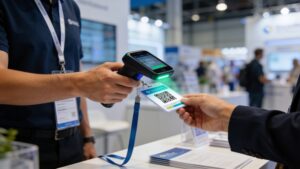
Equipping booth personnel with AI-powered mobile scanning apps streamlines lead qualification during busy exhibit hours. Scanners capture attendee contact details instantly while recording voice notes, lead scores, and specific product interests automatically. Automated lead prioritization ensures high-intent buyers are flagged immediately for prioritized follow-up, preventing valuable sales prospects from falling through operational cracks.
Direct CRM Integration and Automated Nurture Workflows
Syncing event registration platforms directly with enterprise CRM and marketing automation tools eliminates manual data entry delays after shows close. Booth interactions trigger personalized follow-up email streams within hours of an attendee meeting a representative. Immediate, context-aware digital outreach capitalizes on fresh event memories, accelerating sales pipeline velocity and lowering overall customer acquisition costs.
Year-Round Virtual Activation Hubs and Digital Exposure
Extending corporate sponsorships beyond the physical event floor through branded virtual hubs provides continuous, 365-day audience visibility. Sponsors host on-demand content libraries, exclusive webinars, and virtual breakout sessions within the event’s permanent digital platform. Sustained digital presence transforms single-event sponsorship deals into ongoing media partnerships, maximizing long-term marketing return on investment.
Spatial Analytics and Real-Time Foot Traffic Monitoring
Deploying floor sensors and mobile app location tracking generates accurate heatmaps of attendee movement patterns across exhibit halls. Event managers analyze foot traffic density, average booth dwell times, and popular walking routes to optimize layout configurations. Proving exact attendee movement data helps organizers validate premium booth pricing and demonstrate concrete foot traffic exposure to top-tier corporate sponsors.
Strategic Alignment and Sustainability Auditing in Trade Show ROI and Corporate Event Sponsorship Trends
Corporate social responsibility (CSR) directives and financial risk management are reshaping how companies select and evaluate trade show partnerships. This segment details carbon footprint auditing, sustainable booth construction, destination cost management, and risk mitigation strategies.

Corporate Social Responsibility Alignment and Impact Storytelling
Framing sponsorship packages around corporate social responsibility allows brands to showcase ethical commitments directly to targeted B2B audiences. Event organizers highlight sustainability initiatives, vendor diversity programs, and local community contributions within sponsorship proposals. Aligning brand values with meaningful social impact makes sponsorship investments far more compelling to corporate executive boards.
Reusable Modular Exhibition Materials and Waste Reduction
Adopting reusable, recyclable booth frameworks and eco-friendly print materials drastically reduces physical waste sent to landfills after events. Exhibitors invest in modular aluminum structures and fabric graphics designed for repeated use across multiple trade show seasons. Eliminating single-use wooden displays lowers long-term material expenses, cuts shipping freight costs, and complies with strict environmental standards.
Destination Cost Optimization and Regional Event Selection
Managing rising travel, lodging, and venue service costs prompts companies to evaluate secondary destination markets for regional trade shows. Exhibitors target events hosted in accessible cities offering high attendee value at significantly reduced operational expenses. Strategic destination selection stretches marketing budgets further, allowing companies to maintain exhibit presence across multiple high-performing regional markets.
Flexible Contract Terms and Contingency Risk Management
Navigating travel disruptions and market volatility requires corporate sponsors to negotiate flexible sponsorship terms and cancellation protections. Contracts include clear provisions for digital pivot options, credit rollovers, or partial refunds if physical events encounter unexpected disruptions. Protecting event investments through transparent risk management frameworks ensures long-term financial stability for both organizers and corporate partners.
Frequently Asked Questions (FAQ)
What are modern trade show ROI and corporate event sponsorship trends?
Modern trade show ROI and corporate event sponsorship trends focus on replacing passive logo placement with data-backed asset valuation, interactive booth activations, direct CRM integrations, and sustainable corporate alignment.
How do exhibitors calculate trade show return on investment accurately?
Exhibitors calculate ROI by tracking lead acquisition costs, booth dwell time, qualified pipeline generation, direct sales conversions, and post-event customer lifetime value against total exhibition expenditures.
Why are modular interactive booths outperforming traditional displays?
Modular interactive booths encourage direct hands-on engagement, comfortable executive conversations, and digital participation, resulting in longer dwell times and higher conversion rates than static banner displays.
How does direct CRM integration improve post-event lead conversion?
Direct CRM integration syncs badge scanner data immediately into marketing automation systems, enabling instant, automated follow-up emails while attendee interest remains peak.
Final Conclusion
Embracing modern trade show ROI and corporate event sponsorship trends is essential for corporate marketing directors, exhibit strategists, and event producers seeking to maximize event investments. Fusing interactive booth designs, real-time data capture, flexible sponsorship tiers, and sustainable operating practices establishes a powerful foundation for measurable B2B marketing growth. Moving away from outdated logo-only packages enables organizations to build high-value partnerships that consistently drive sales pipelines.
As commercial markets across North America and Europe demand greater transparency and fiscal accountability, mastering event data analytics and attendee engagement remains critical. Investing in reusable exhibit infrastructure, AI lead qualification, and year-round digital content communities safeguards event budgets against inflation and market shifts. Implementing these strategic frameworks ensures businesses generate lasting ROI from every trade show and corporate sponsorship opportunity.

1 thought on “Trade Show ROI and Corporate Event Sponsorship Trends Guide 2026”