
Why Immersive Event Experiences Are the New Standard in 2026
For years, planning a memorable event mostly meant getting the visuals right — good florals, a nice backdrop, flattering lighting for photos. That’s no longer enough. Weddings, concerts, and corporate parties in 2026 are being designed around a completely different question: what does this event feel like to actually stand inside of?
That shift has a name in the events industry — sensory or immersive design — and it’s quickly becoming the baseline expectation rather than a luxury add-on. It’s showing up everywhere from backyard weddings to major brand launches, and the ideas behind it are simpler, and more affordable, than they might first sound. Here’s what’s actually driving it, what it looks like in practice, and what it means whether you’re planning a wedding, a concert, or a company party.
What “Immersive” Actually Means in Event Design Now
The word gets used loosely, but in 2026 it has a fairly specific meaning among planners and designers.

From Looking at a Room to Living Inside One
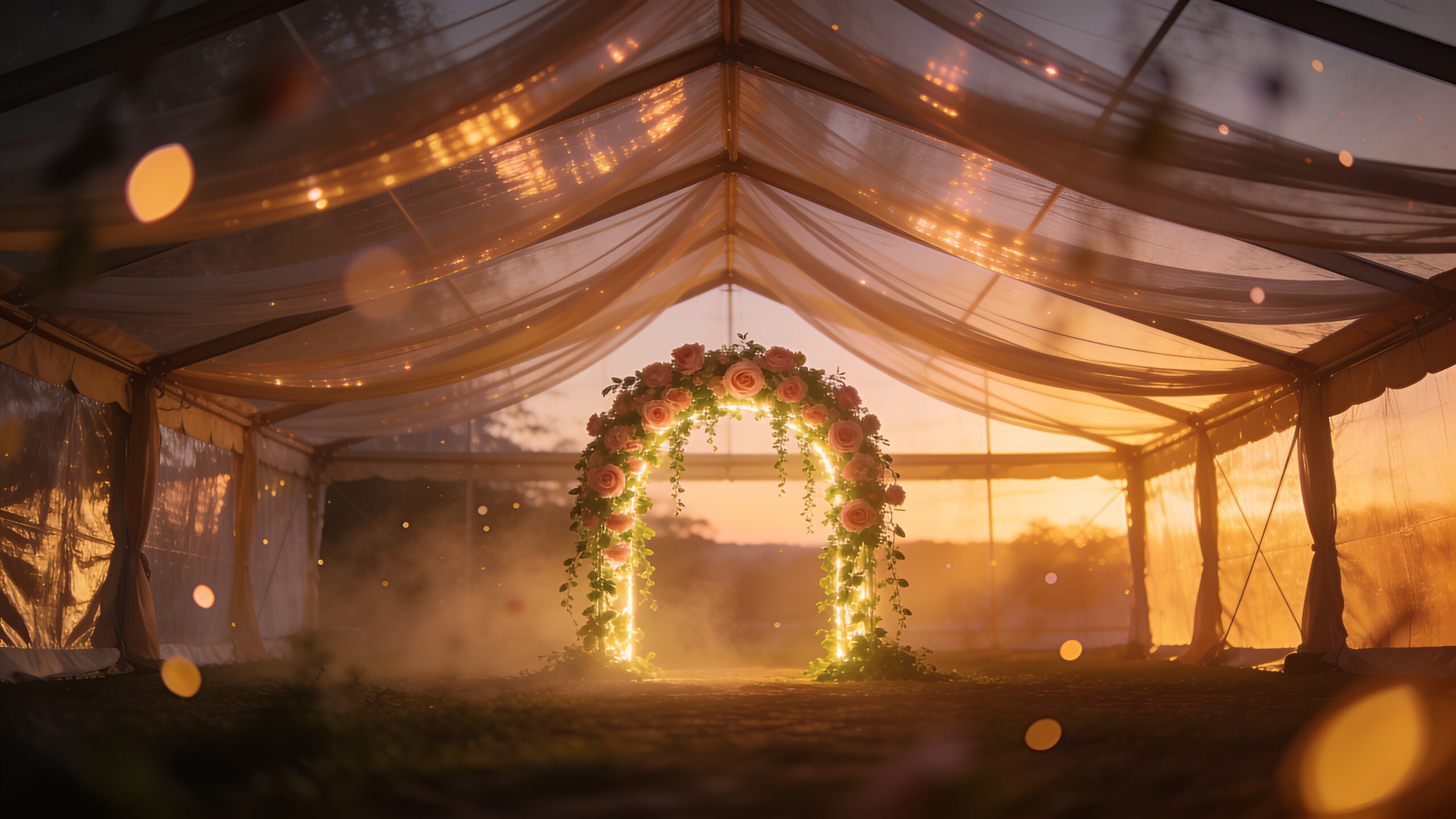
Traditional event design treated a space like a backdrop — something guests looked at. Immersive design treats the space like an environment guests move through and interact with. That might mean a wedding tent designed like a full dreamscape rather than a decorated room, or a corporate event that transforms a convention hall into something guests forget is a convention hall at all.
The Five Senses Are the New Design Brief
Designers now routinely plan for sight, sound, scent, touch, and even taste as a single coordinated brief, rather than handling lighting, catering, and décor as separate line items. Custom scent diffusion, curated soundscapes tied to specific moments in the event, and textured, touchable design elements are being treated as core parts of the plan, not finishing touches added at the end.
This Isn’t Just for Weddings Anymore
While weddings are leading a lot of this shift, the same logic is showing up at concerts, corporate summits, and brand activations. Companies are increasingly designing events as full sensory environments that reinforce their brand identity, rather than just booking a venue and adding a step-and-repeat backdrop. A corporate product launch might now include a custom scent tied to the brand, a soundscape that shifts as attendees move between zones, and tactile installations that double as photo moments — the same design language couples are using for weddings, just aimed at reinforcing a company’s identity instead of a couple’s love story.
Common Misconceptions About Immersive Events
As the trend has spread, a few misunderstandings about what it actually requires have spread along with it.
“It’s Only for Luxury Budgets”
The idea that sensory design belongs exclusively to high-end weddings and corporate galas isn’t accurate. A single scent diffuser, a curated playlist, or one tactile design element costs a fraction of what full-scale scenic builds run, and planners at every budget level are picking one or two senses to invest in rather than treating immersive design as an all-or-nothing luxury purchase.
“It’s Really Just About Scent”
Because signature scenting has gotten so much attention recently, some people assume sensory design is mostly a fragrance trend. In practice, scent is just one of at least five design inputs planners are coordinating — sound, lighting, texture, and even the pacing of the event itself are treated with equal weight, and the strongest examples usually layer two or three senses together rather than relying on one.
“It’s Just a Trend That Will Fade”
Sensory design is often framed as a passing aesthetic, but the underlying driver — people wanting in-person events to feel meaningfully different from anything they could experience on a screen — isn’t going away. That’s a structural shift in what audiences expect from live experiences, not a seasonal color palette or decor fad likely to disappear next year.
Why Sensory Design Is Taking Over
This isn’t happening randomly — a few converging pressures are pushing planners toward full sensory experiences rather than simple decoration.
Social Media Rewards Moments, Not Just Backdrops
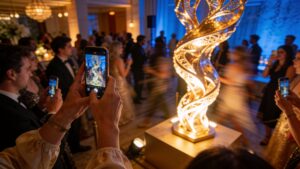
Guests don’t just attend events anymore, they document them, and a static photo backdrop doesn’t generate the same shareable content as a genuinely immersive installation that guests can move through, touch, or interact with. Planners are now designing intentional “wow” moments specifically because they know guests will capture and share them.
Guests Remember Feelings Longer Than They Remember Florals
Event designers increasingly talk about their work in terms of emotional memory rather than visual style. A specific scent or a lighting shift at the right moment tends to stick with guests longer than a flower arrangement does, which is part of why scent and sound are getting equal billing with visuals in current event planning. This mirrors a broader shift in how people evaluate experiences generally — reviews for restaurants, hotels, and travel increasingly mention how a place made someone feel rather than just how it looked, and event planning is simply catching up to that same expectation.
Technology Finally Caught Up With the Idea
Immersive design isn’t a new idea, but the tools to execute it affordably have improved significantly. Programmable lighting systems, compact scent diffusers, and modular scenic builds that used to be reserved for large-budget productions are now accessible to mid-range event budgets, which is a big part of why the trend has moved from luxury-only to mainstream this quickly. Even color trends are being built with this in mind — 2026’s widely referenced color-of-the-year palette was specifically chosen for how it interacts with layered lighting, rather than for how it looks in a single static photo.
What This Looks Like in Practice
The trend sounds abstract until you break it down into the specific elements planners are actually using right now.
Scent Is the Newest Design Tool
Custom-developed signature scents, diffused throughout a venue, are becoming a standard part of event planning rather than an unusual splurge. The goal is to create a specific memory association, the same way a certain smell can instantly bring back a place or a moment years later. Some couples are even sending home scented candles matched to their wedding’s signature fragrance as a keepsake, turning a design element into something guests keep using — and being reminded of — long after the event itself is over.
Lighting Is Being Treated Like Theater
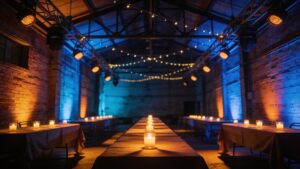
Rather than simply lighting a room evenly, designers are now building lighting cues into the event’s timeline the way a theater production would — shifting tone and color as the evening moves from ceremony to dinner to dancing. Layered, programmable lighting has become one of the centerpiece design tools rather than a background utility, and some planners now script lighting changes alongside the event’s run-of-show document the same way a stage manager would cue a live performance.
Immersive Venues Are Replacing Traditional Banquet Halls
Traditional hotel ballrooms are increasingly being swapped for venues that already do some of the sensory work — renovated warehouses with exposed brick and dramatic lighting infrastructure, outdoor settings next to waterfalls or in the desert, or estate properties designed for multi-day immersive weekends rather than single-day events. The venue itself is being treated as a design tool, not just a container for the event, and planners are increasingly choosing locations specifically because the natural or architectural setting does part of the sensory work before a single décor element is even added.
What This Means Going Forward
None of this is a passing aesthetic — it reflects a genuine shift in what people expect from a live, in-person experience in an era when so much of life happens on a screen.
Budget Doesn’t Have to Mean Basic
Full sensory design doesn’t require a luxury-only budget. A single well-chosen scent diffuser, a curated playlist that shifts with the event’s pacing, or one tactile design element can meaningfully move an event toward “immersive” without the cost of a full-scale sensory overhaul. Planners on tighter budgets are increasingly picking one or two senses to invest in deliberately, rather than spreading a small budget evenly across everything.
The Risk of Overdoing It
Not every sensory addition helps. A scent that’s too strong, lighting that shifts too frequently, or too many interactive elements competing for attention can overwhelm guests rather than immerse them. The events getting the most praise in 2026 tend to use restraint — one or two well-executed sensory touches rather than an overloaded experience trying to hit all five senses at once. Designers who work in this space often compare it to seasoning food: the goal is a dish guests notice tastes complete, not one where every individual ingredient is shouting for attention at the same time.
What This Means If You’re Planning an Event
Whether it’s a wedding, a milestone birthday, or a company gathering, the practical takeaway is the same: think about what guests will feel, hear, and smell, not just what they’ll see in photos. Even a modest event can borrow this thinking — a signature scent at the entrance, a lighting shift for a key moment, or one tactile element guests can genuinely interact with — without needing a full production budget to pull it off. Start with the one sense that fits your event best, get that right, and treat everything else as a bonus rather than trying to check every sensory box at once.