
How to Know if a Product is Worth Buying: The 2026 Expert Value Guide
With the arrival of 2026 and the evolving landscape of the current market, our world is brimming with far more options than that of any previous generation. Through targeted advertising and essential products crafted by artificial intelligence, consumers are constantly being exposed to a diverse array of offers. For those aspiring to lead an elevated lifestyle, the key lies not merely in spending, but rather in acquiring items of exceptional quality. A question that inevitably crosses everyone’s mind is: “How do I know if a product is worth buying?” Indeed, the most critical skill a discerning consumer requires is the ability to determine whether or not a specific product is truly worth purchasing.
More often than not, we tend to succumb to the lure of “impulse purchases” without realizing that we won’t even be able to use the product for more than a few months, let alone find it gathering dust in our house. As we move forward to 2026, the world has changed, moving on from “Impulsive Consumption” to “Practical Consumption.” This book aims to provide a guide on making the right choice when it comes to spending your money wisely.

The “Cost Per Use” (CPU) Formula
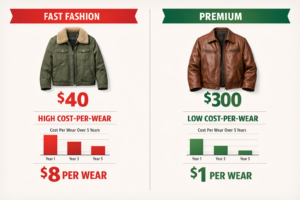
The simplest method of knowing when something is worth buying is by going beyond the “sticker price” and instead looking at the “cost per use.” A lower priced item that is prone to breaking easily will cost you more money than an expensive one that will last for years.
Calculating Value Over Time:
In case you purchase a boot worth $50 and it lasts you one season with 30 uses, then the cost of every use will be $1.67. However, in case you purchase a good quality boot worth $200 and it lasts you five years with 500 uses, then your cost of use per time will be just $0.40.
The “Maintenance” Factor:
Always enquire whether it is possible to repair the item. An item should be purchased only if it has replaceable parts. By 2026, the Right to Repair legislation has made it easy to repair electronic items and other appliances. If an item is labeled “disposable,” it cannot justify any heavy investment.
Resale Value:
Products of high value always preserve some of their value. To determine how one can know which products to buy, one should look at their resale value. If a particular brand preserves 40% of its value after two years, then it is a high quality brand.
Filtering Truth from AI-Generated Noise
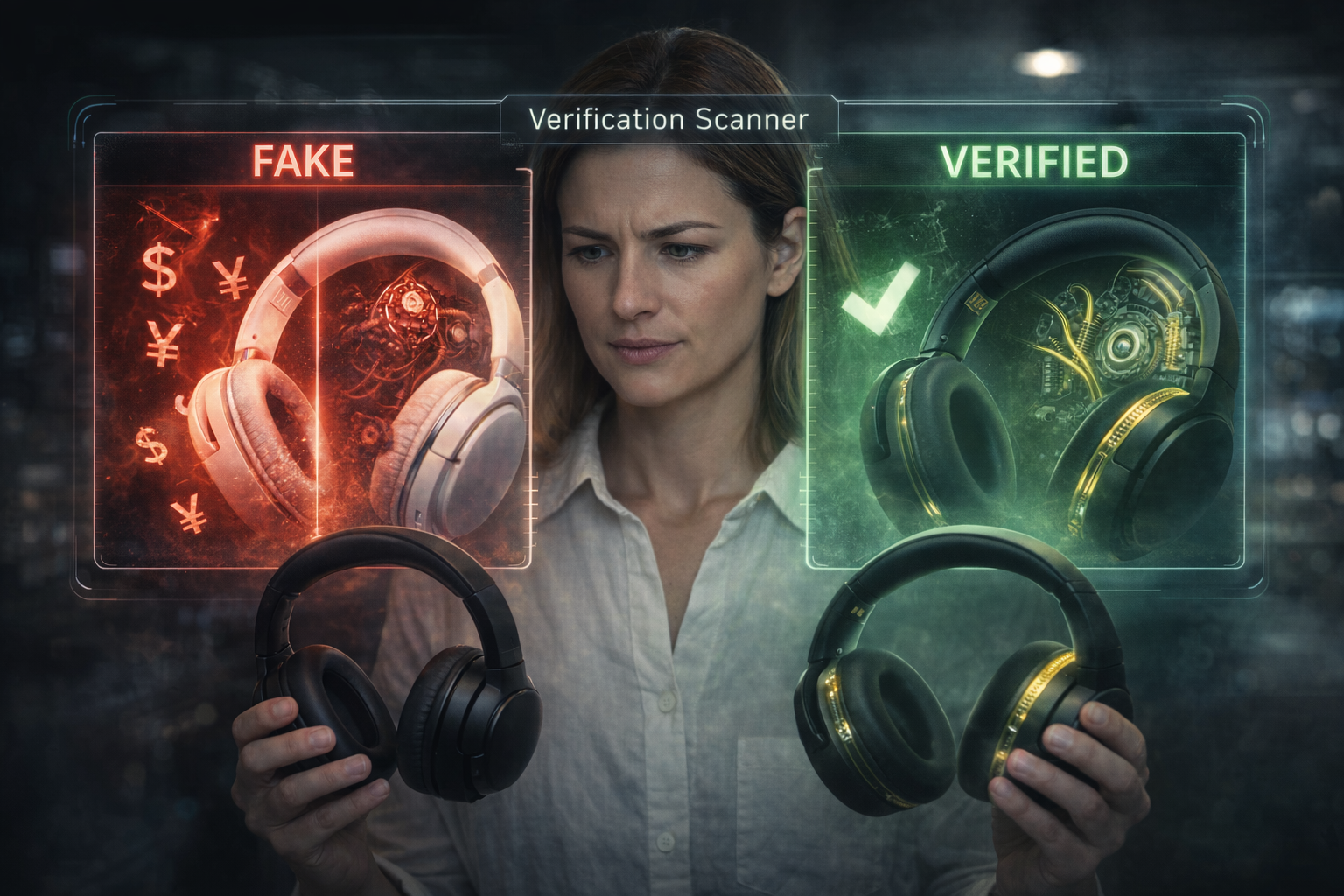
By 2026, the major obstacle when it comes to the question of whether a product should be purchased will be the proliferation of counterfeit reviews that have been generated by AI.
The 60-Second “Smell Test”:
Identify “Review Bursts,” which is characterized by numerous 5-star reviews submitted at the same period of just two days. This practice is common with a paid review campaign. Generic reviews such as “Life-changing” or “Best ever” without specifics should raise red flags.
The “Critical Middle” Strategy:
The honest ratings come from 3-star and 4-star reviews because these people actually like the product, but give their opinion on the flaws. This is one of the secrets that help you figure out whether the item is worth purchasing or not because it tells you which aspects they complain about.
Visual Verification:
When considering buying any product in 2026, be on the lookout for reviews containing “Unfiltered” video or photographs. It may not be too difficult for the artificial intelligence systems to fabricate text-based reviews, but when it comes to creating videos of product failures, that would prove more challenging.
The Necessity vs. Luxury Framework
It is only worthwhile to buy something that can be useful to you. To get to know whether or not it is a good purchase, you need to conduct a “Lifestyle Audit” before you proceed to pay for it.
The 72-Hour Rule:
For all non-essential purchases that cost more than $50, wait three days before buying it. This eliminates the “high” one gets from impulse shopping. If the item still seems like something you need to enhance your quality of life after three days, go ahead and make the purchase.
The “One-In, One-Out” Policy:
While you’re shopping for a new device or apparel, inquire about the replacement it offers. Should it fail to resolve an issue beyond the capabilities of your existing items, then you’ve found your criteria for determining whether an item is worth purchasing.
Space and Mental Load:
All possessions consume space and demand upkeep. By 2026, people have come to understand that “stuff” leads to anxiety. A commodity is considered worth purchasing when its usefulness outweighs the “mental burden” associated with its possession.
Material Quality and “2026 Sustainability”
For the year 2026, the term “quality” equates to “sustainability.” In posing the question of how to determine if a product is worth purchasing, one must consider the product’s material composition and its ultimate destination in ten years’ time.
Natural vs. Synthetic:
Natural fibers such as wool, organic cotton, and hemp should be sought after for your clothes. Solid wood is preferable to particle board when selecting furniture, as it ages well and can be refurbished.
Transparency in Sourcing:
If a firm is proud of its product, it will be upfront with its supply chain. If the brand is ashamed of its production process, there is probably an issue regarding poor quality or cheap materials. It serves as one of the biggest red flags when it comes to assessing the value of a product.
Energy Efficiency:
Appliances and electronics should be judged by their 2026 energy efficiencies. A lower cost but less efficient refrigerator will be far more expensive to run and result in savings only over the shorter term. This is where “value” enters the equation.
The “Brand Reputation” Myth
Once upon a time, having a popular logo meant quality. By 2026, there are many “Legacy Brands” that have sacrificed quality for cost savings. If you want to know what it really means to recognize quality, you need to go beyond the logo.
Research the “Buy It For Life” Communities:
Reddit and many other websites for consumers are full of valuable information for buyers in 2026. Choose the brands that have a track record of at least ten years. The small brand will most likely provide better service than any large company.
Warranty and After-Sales Support:
The quality of a product is reflected in the warranty offered by the manufacturing company on the same product. One must ensure a warranty period of at least two years for electronic products while looking for the “Lifetime” warranty tag for tools and outdoor products.
Independent Lab Testing:
The websites that carry out “Stress Tests” on their products are indispensable. The fact that the machine makes an effort to tear apart the product will give you the truest response regarding the purchase of the product.
Frequently Asked Questions (FAQ)
How can I tell if a low price is a “deal” or “junk”?
Consider the materials used in its construction. If the material is much more affordable than its rivals’ yet still made from quality materials, it may be a steal. However, if the material used is plastic rather than metal and synthetic rather than natural fiber, it will be junk.
Does a higher price always mean better quality?
No. In 2026, most luxury brands will make you pay for “prestige” and not performance. The way to determine whether a product is worth buying lies in looking at its specs, its warranty, and its “Cost per Use” calculation.
What is the most reliable way to find real reviews in 2026?
In this regard, one must consider “User-Generated Content” (UGC), wherein the individual in the video is utilizing the product without any paid advertisement. Secondly, AI-based detection tools should be used to check repetitiveness in the review sections.
Is it worth buying “refurbished” products?
Yes, often. Products labeled “Factory Refurbished” will generally include a new warranty as well as having had individual testing done by a person, whereas new products go through mass production without personal scrutiny.
Final Conclusion on Smart Consumerism
Developing the skill of knowing when something is worth purchasing is among the most empowering acts that can be undertaken by anyone. This will require shifting from the old mindset of ‘buy first and then think later’ to one where more analysis is done. In essence, you will end up filling your house with things that are enjoyable and useful.
The concept of “being smart” is not being thrifty when shopping for something in 2026; rather, it involves knowing the true value of one’s efforts in terms of earning and the amount of effort involved in making whatever products one intends to purchase. Next time you see yourself enticed to purchase an exciting gadget or fancy furniture, apply these criteria on your own to make sure that you are buying a product that deserves to be purchased.

3 thoughts on “How to Know if a Product is Worth Buying: The 2026 Value Guide”