
Global Event Economics Trends: How Mega-Gatherings Shape 2027
Global event economics trends have shifted dramatically as hosting large-scale international gatherings moves from traditional civic prestige into high-yield economic strategy. Cities across the United States and Europe no longer view major sports tournaments, trade expos, or political summits as vanity projects. Instead, municipality leaders and private investors evaluate these massive gatherings through strict metrics of infrastructure modernization, long-term tourism revenue, digital broadcasting rights, and local commercial impact.
Understanding global event economics trends requires analyzing how public and private funding models adapt to changing audience behaviors and economic conditions. Modern host cities now prioritize adaptable venue infrastructure, sustainable urban mobility, and comprehensive digital broadcasting architecture over temporary, single-use structures. This strategic shift ensures that the billions invested in international host bids generate lasting value for local economies long after the final spectators return home.
The Financial Evolution of International Sports Hosting
Modern sports host cities are discarding legacy infrastructure models in favor of sustainable, long-term asset management. This section examines how joint municipal bids, private-public venue funding, adaptive venue reuse, and long-term tourism pipelines redefine sports event profitability.
Organizers now demand clear economic returns before committing public funds to global athletic tournaments.
Joint Municipal Bids and Cross-Border Cost Allocation
Joint host bids split heavy infrastructure expenses across multiple metropolitan areas or nations, significantly reducing financial liability for individual cities. By sharing stadium renovation costs, security logistics, and broadcast setups, regional coalitions maximize existing stadium usage without overextending municipal budgets. This cooperative economic model enables mid-sized cities to host tier-one global sporting competitions successfully without taking on unsustainable public debt or risking fiscal insolvency.
Private-Public Partnership Models in Modern Stadium Infrastructure
Funding modern sports venues requires dynamic partnership models that blend municipal tax incentives with private equity investments. Private developers finance stadium construction in exchange for surrounding real estate development rights, such as retail plazas, hotels, and entertainment districts. This risk-sharing structure protects public tax dollars while creating permanent, revenue-generating commercial hubs that operate continuously outside of major tournament windows, fueling local business growth.
Adaptive Venue Architecture and Post-Tournament Asset Utility
The era of constructing single-use stadiums that sit vacant after an event ends has officially closed. Contemporary tournament venues feature modular seating sections, convertible field surfaces, and flexible indoor halls designed for rapid reconfiguration. Cities prioritize venue designs that immediately transition into community centers, concert halls, or local collegiate facilities post-tournament, ensuring ongoing tax revenue and avoiding high annual maintenance overhead.
Multi-Year Regional Tourism Pipelines and Visitor Spend Metrics
Hosting major athletic events establishes a multi-year marketing platform that extends far beyond the tournament schedule. International media coverage introduces host cities to global travel audiences, driving long-term hospitality bookings, restaurant spending, and international flight routes. Municipalities leverage this heightened visibility to convert short-term tournament visitors into recurring business travelers, regional conference organizers, and long-term commercial investors.
Business Trade Shows and Corporate Tech Summits
Commercial trade expos and technical summits are major economic drivers for tier-one convention cities across Europe and North America. This breakdown explores corporate delegate spending, hybrid event monetization, regional hotel yields, and B2B deal velocity.
Business conventions represent high-yield corporate travel ecosystems that sustain urban service economies year-round.

Corporate Delegate Expenditure and High-Yield Hospitality Revenue
Business conference attendees generate significantly higher average daily expenditure compared to traditional leisure travelers. Corporate delegates bill hotel stays, fine dining, ground transportation, and client entertainment directly to enterprise expense accounts. This consistent, premium spending supports thousands of hospitality jobs, boosts local sales tax receipts, and maintains high hotel occupancy rates during typical off-peak travel seasons.
Hybrid Event Formats and Dual-Stream Monetization Strategies
Modern corporate summits combine physical venue access with global digital streaming passes to maximize ticket revenue. Organizers monetize remote attendees through digital platform subscriptions, virtual networking lounges, and downloadable session archives. This dual-stream commercial structure allows event producers to expand overall registration numbers far past physical room capacities while keeping operational venue footprint costs manageable.
Regional Hotel Room Block Yield Management and Municipal Taxes
Convention bureaus coordinate closely with local hotel networks to manage dynamic room pricing during major summits. Establishing structured hotel room blocks prevents predatory price spikes while guaranteeing steady occupancy rates for local lodging operators. Municipal governments collect dedicated lodging and occupancy taxes from these organized bookings, directly funding local public transit, city marketing campaigns, and infrastructure maintenance.
Accelerated B2B Deal Execution and Venture Capital Inflow
Tech summits serve as intense focal points for enterprise contract negotiations, product launches, and venture capital allocations. Bringing corporate executives, startup founders, and private equity investors together in one location accelerates deal-making timelines dramatically. The resulting investment deals and strategic partnerships yield long-term corporate expansion, localized hiring sprees, and elevated economic activity for the host city.
Cultural Festivals and Mega-Entertainment Gatherings
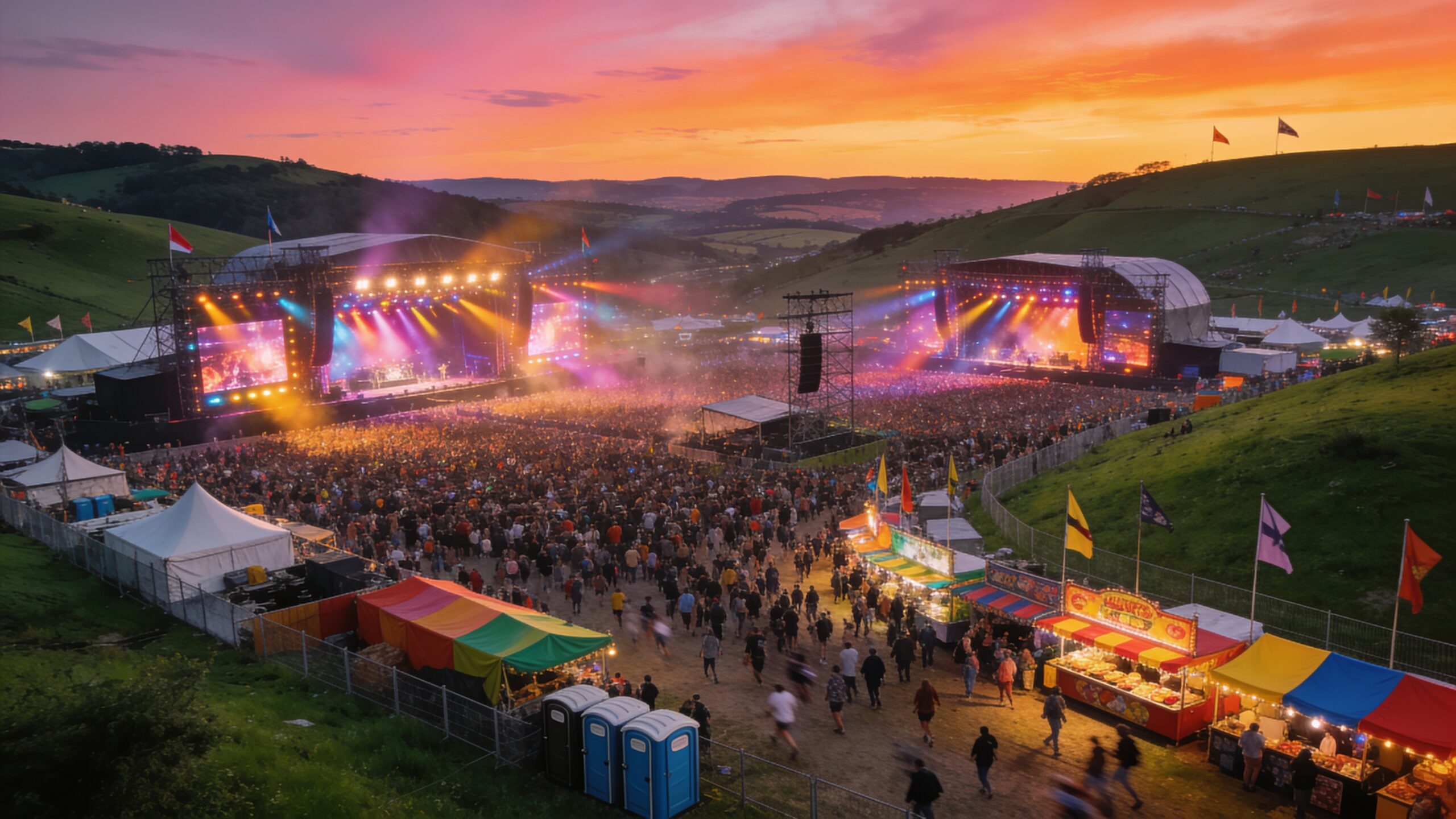
Large-scale music festivals, film celebrations, and cultural gatherings provide vital economic injections to suburban and rural host regions. Below, we examine local supplier supply chains, temporary labor creation, brand sponsorships, and municipal permits.
Cultural gatherings convert artistic programming into powerful engines for regional development and employment.

Local Business Supply Chains and Vendor Micro-Economies
Major music and cultural festivals rely heavily on regional vendor networks to support their massive temporary operations. Event organizers hire local catering firms, equipment rental providers, staging technicians, and security agencies to execute multi-day productions. This localized procurement model ensures that a significant portion of total festival expenditure flows directly into surrounding small businesses and independent contractor accounts.
Temporary Labor Markets and Seasonal Employment Surges
Executing large outdoor cultural gatherings creates thousands of short-term jobs across logistics, hospitality, site construction, and guest services. These events provide crucial seasonal earning opportunities for regional workers, university students, and specialized event freelancers. Local workforce development boards frequently collaborate with event producers to streamline hiring pipelines, building a skilled local labor pool for future events.
Dynamic Brand Sponsorships and Experiential Marketing Packages
Corporate sponsors spend heavily on experiential marketing activations to engage festival attendees in high-energy settings. Brands fund custom physical installations, interactive lounges, and exclusive product sampling stations across the festival grounds. These lucrative sponsorship packages offset primary production expenses for organizers, allowing them to invest in top-tier artistic talent while keeping general admission ticket pricing competitive.
Municipal Permitting Fees and Local Infrastructure Investment
Hosting mega-festivals requires close coordination with municipal authorities for safety, traffic control, and environmental management. Organizers pay substantial permitting, emergency service, and public safety fees to local government agencies. Municipalities deploy these revenue streams to upgrade regional public transit hubs, pave access roads, expand green spaces, and improve utility infrastructure for permanent residents.
Digital Broadcasting Architecture and Global Rights Distribution
Direct-to-consumer digital streaming and advanced broadcast tech have reshaped how events generate media revenue. This section covers dynamic virtual advertising, low-latency streaming networks, first-party fan data monetization, and international licensing.
Digital broadcast innovation allows event producers to monetize global audiences outside physical venue boundaries.
AI-Powered Dynamic Virtual Advertising and Targeted Localization
Advanced broadcast setups utilize artificial intelligence to replace physical stadium perimeter ads with targeted digital graphics in real time. Viewers watching the same live broadcast in different countries see localized advertisements tailored specifically to their regional markets. This dynamic ad insertion capability enables rights holders to sell identical physical ad slots to multiple international sponsors simultaneously, exponentially increasing broadcast ad yield.
Edge-Based Cloud Computing for Ultra-Low-Latency Video Delivery
Delivering high-definition live event video to millions of concurrent global viewers requires robust edge-based cloud infrastructure. Distributing media encoding across regional data centers minimizes latency, preventing online streams from lagging behind live stadium play. High-quality, real-time video delivery keeps digital audiences engaged longer, directly boosting dynamic ad impressions and paid streaming subscription retention rates.
First-Party Fan Data Capture and Direct-to-Consumer Monetization
Proprietary streaming apps allow event organizers to bypass traditional cable networks and collect first-party viewer data directly. Broadcasters track individual viewing habits, demographic profiles, and content preferences to build personalized fan profiles. Controlling this fan data empowers organizers to market official merchandise, ticket pre-sales, and premium subscription add-ons directly to highly engaged consumer segments.
Multi-Territory Media Rights Syndication and B2B Licensing
Global sports and entertainment properties generate substantial recurring revenue by licensing broadcast rights across international media markets. Organizers segment broadcast packages by geographic region, platform type, and language to maximize bidding competition among traditional networks and streaming services. Multi-market syndication hedges against regional economic downturns, ensuring stable, predictable media revenue streams for multi-year event cycles.
Security, Risk Management, and Resilience Economics
Managing logistical risks, cyber threats, and safety protocols is essential for safeguarding major event investments. Here we outline public safety resource coordination, event cancellation insurance, cyber defense infrastructure, and environmental crisis management.
Comprehensive risk management protects event capital, attendee safety, and municipal reputations against unforeseen disruptions.
Coordinated Public Safety Logistics and Inter-Agency Operations
Securing major global events demands seamless collaboration between local police, federal law enforcement, and private security agencies. Organizers build centralized command centers to monitor crowd movements, manage traffic flow, and handle emergency responses efficiently. Investing in advanced surveillance technologies and trained personnel ensures attendee safety while maintaining smooth operational logistics across complex urban environments.
Specialized Event Cancellation Insurance and Financial Risk Hedging
Unforeseen disruptions like extreme weather, geopolitical instability, or public health emergencies pose severe financial risks to event producers. Organizers hedge these risks by purchasing specialized event cancellation and business interruption insurance policies. Comprehensive coverage guarantees that ticket refunds, vendor liabilities, and broadcast commitments are financially protected, preventing catastrophic fiscal losses for event investors.
Cybersecurity Infrastructure for Digital Ticketing and Venue Networks
Modern venue infrastructure relies on connected digital networks for scanning tickets, processing point-of-sale transactions, and operating venue utilities. Event IT teams deploy enterprise-grade cybersecurity tools to defend against cyberattacks, data breaches, and ransomware threats. Securing digital entry systems prevents gate disruptions, protects attendee financial data, and maintains uninterrupted commercial operations throughout the event footprint.
Climate Adaptation Strategies and Extreme Weather Contingency Planning
Rising global temperatures and unpredictable weather patterns require event planners to incorporate climate resilience directly into operational designs. Organizers deploy shaded structures, mobile cooling stations, advanced drainage systems, and flexible scheduling protocols to handle extreme heat or sudden storms. Proactive climate contingency planning protects fan health, preserves physical venue assets, and keeps event timetables running smoothly despite environmental challenges.
Frequently Asked Questions (FAQ)
What are the main drivers behind global event economics trends?
Global event economics trends are driven by municipal demand for long-term infrastructure benefits, joint city bidding models, direct-to-consumer digital broadcast monetization, and integrated regional tourism growth strategies.
How do joint municipal bids reduce financial risks for host cities?
Joint bids allow multiple cities or countries to split stadium renovation costs, public safety expenses, and broadcast infrastructure setups. This cost-sharing approach prevents single municipalities from accumulating excessive debt.
Why are business trade shows so valuable for host city economies?
Corporate trade show delegates spend significantly more per day on hotels, dining, and transportation than leisure travelers. These business expenses generate steady local tax revenue and support year-round hospitality jobs.
How does AI improve media revenue for live digital event broadcasts?
AI-powered dynamic virtual advertising replaces physical stadium banners with localized digital graphics in real time. Broadcasters can sell the exact same ad space to different regional sponsors simultaneously.
Final Conclusion
The trajectory of global event economics trends highlights a fundamental evolution in how cities, corporations, and media organizations approach large-scale public gatherings. The era of viewing major events as short-term spectacles funded by unrestricted municipal spending has been replaced by a disciplined focus on long-term asset generation. Modern hosts prioritize sustainable infrastructure, joint municipal hosting, and adaptive venue designs that deliver economic utility long after an event concludes.
Equally transformative is the digital evolution of broadcast media and event commercialization. Direct-to-consumer streaming apps, AI-driven virtual advertising, and edge-based low-latency delivery allow event producers to monetarily engage global audiences far beyond physical venue capacities. Combined with robust risk management frameworks that address cybersecurity and climate adaptation, event organizers can insulate their capital investments against unexpected operational disruptions.
Ultimately, host cities and organizers that master these economic and technological strategies will capture significant commercial advantages. By pairing public-private funding models with high-yield visitor pipelines and direct digital audience relationships, modern mega-events serve as powerful catalysts for urban modernization, international tourism, and sustainable economic growth across North America and Europe.

1 thought on “Global Event Economics Trends: How Mega-Gatherings Shape 2027”