
Youth Sports Athletic Performance Training Methods: 2026
Youth sports athletic performance training methods represent the foundation of modern athletic development for young sports enthusiasts across the United States and European nations. As competitive youth leagues become increasingly demanding, parents, coaches, and young athletes seek safe, proven training strategies to enhance speed, agility, strength, and endurance. Implementing sound conditioning programs not only boosts performance on the field or court but also instills lifelong physical literacy, healthy habits, and self-confidence in growing competitors.
Developing young athletes requires a balanced, age-appropriate approach that prioritizes long-term movement quality over short-term competitive wins. Misguided training practices often lead to premature burnout, physical fatigue, and overuse injuries that jeopardize a young person’s sports journey. By focusing on fundamental movement patterns, structured recovery, proper nutrition, and positive mental conditioning, athletic programs can unlock high-level physical potential while ensuring sports remain enjoyable, safe, and rewarding for athletes of all skill levels.
Fundamental Movement Skills in Youth Sports Athletic Performance Training Methods
Establishing foundational biomechanical movement skills forms the primary initial stage in youth sports athletic performance training methods for developing versatile young athletes. This section examines age-appropriate multi-sport participation, dynamic warm-up routines, core stabilization exercises, and sprint acceleration mechanics.
Multi-Sport Participation and Motor Skill Diversification
Encouraging young athletes to participate in multiple sports prevents physical overuse injuries and reduces mental burnout. Playing different sports builds diverse motor skills, hand-eye coordination, spatial awareness, and muscle balance. Athletes who sample various sports during early childhood develop superior athletic adaptability, which translates to better overall sports performance and longer athletic careers compared to children who specialize in a single sport too early.
Dynamic Warm-Up Protocols and Joint Mobility Drills
Replacing static stretching with dynamic warm-up routines prepares muscles and joints for intense physical activity. Dynamic exercises raise body temperature, increase blood circulation, and activate key muscle groups needed for rapid movement. Incorporating high knees, leg swings, arm circles, and lunges before practices or games enhances flexibility, improves joint range of motion, and significantly lowers the risk of acute muscle strains.
Core Stability Training and Balance Enhancement
Developing strong core musculature provides a stable foundation for power generation, posture, and body control during movement. Planks, medicine ball rotations, and single-leg balance drills build deep abdominal, lower back, and hip stability. A stable core helps young athletes absorb physical contact, maintain balance on uneven surfaces, and transfer energy efficiently between the lower and upper body during running, jumping, and throwing.
Sprint Acceleration Mechanics and Deceleration Technique
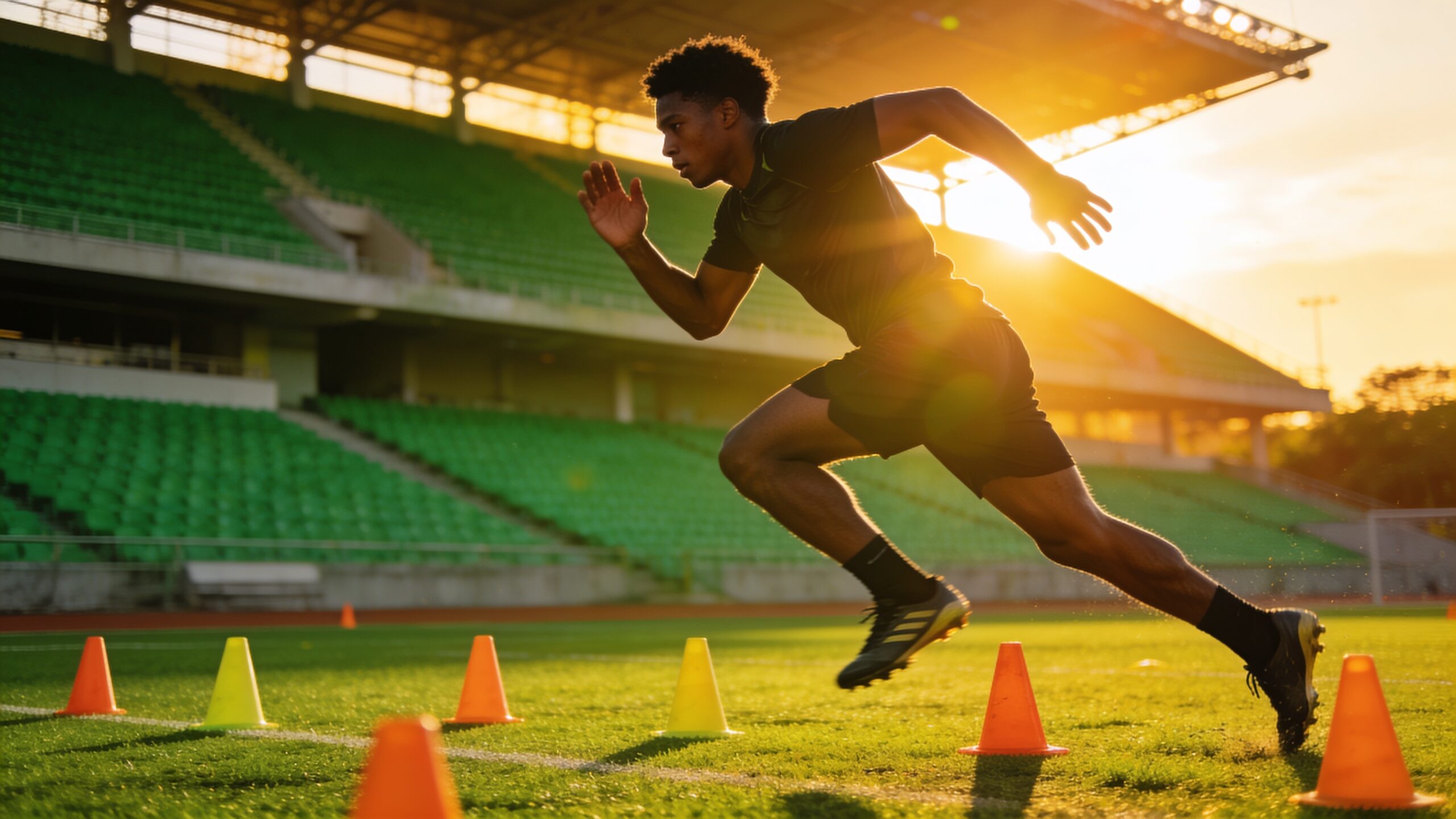
Teaching proper running form improves acceleration efficiency while reducing unnecessary energy expenditure during play. Focusing on posture, high knee drive, powerful arm pumps, and midfoot ground strikes helps young sprinters maximize velocity. Equally important is teaching deceleration mechanics, training athletes to drop their center of gravity and plant their feet correctly to stop quickly without placing excess stress on knee joints.
Strength and Conditioning in Youth Sports Athletic Performance Training Methods
Integrating safe, structured strength development represents a core pillar in youth sports athletic performance training methods to build resilient body structures. This segment details bodyweight resistance training, plyometric power jump drills, progressive overload guidelines, and hamstring fatigue prevention.
Bodyweight Resistance Drills and Structural Muscle Strength
Mastering bodyweight exercises like push-ups, squats, lunges, and pull-ups establishes functional strength without subjecting growing bones to heavy external loads. Bodyweight training teaches young athletes how to control their own mass through space while strengthening tendons and ligaments. Once athletes demonstrate flawless movement mechanics with bodyweight exercises, coaches can gradually introduce light resistance equipment like resistance bands, kettlebells, and dumbbells safely.
Plyometric Jump Training and Explosive Power Generation
Incorporating plyometric jump drills enhances lower-body power output and reactive muscle responsiveness. Box jumps, bounding exercises, and lateral barrier hops teach muscles to stretch and contract rapidly, increasing vertical jump height and sprinting speed. Proper landing mechanics—emphasizing soft, bent-knee landings with hips back—must be emphasized constantly to protect young knee joints and ankles from high impact forces during jump training.
Progressive Overload Rules and Safe Exercise Progression
Applying progressive overload principles ensures steady physical adaptation without exposing young bodies to extreme physical fatigue or injury. Resistance, repetition, and duration should increase gradually over time based on an athlete’s physical maturity and technical proficiency. Coaches must prioritize movement quality over heavy weight selection, adjusting workout variables incrementally to stimulate positive physiological gains while preventing acute muscle strains or joint inflammation.
Posterior Chain Strengthening and ACL Injury Reduction
Targeting the posterior chain—specifically the hamstrings, glutes, and lower back—helps balance dominant quadriceps strength common in young athletes. Exercises like Romanian deadlifts, glute bridges, and hamstring curls stabilize the knee joint complex during deceleration and lateral cutting movements. Strengthening these muscle groups significantly reduces the risk of non-contact anterior cruciate ligament (ACL) tears, particularly among female high school athletes.
Recovery and Nutrition in Youth Sports Athletic Performance Training Methods
Prioritizing physical recovery and balanced fuel sources maximizes gains achieved through youth sports athletic performance training methods during intense competitive seasons. This section explores nightly sleep hygiene requirements, athletic hydration strategies, macronutrient post-workout refueling, and active recovery protocols.

Sleep Hygiene Standards and Growth Hormone Release
Sufficient nightly sleep is essential for physical recovery, athletic performance, and cognitive focus in growing athletes. During deep sleep cycles, the body releases natural growth hormone to repair micro-tears in muscle tissue, restore energy reserves, and consolidate muscle memory. Teen athletes require eight to ten hours of quality sleep each night to maintain peak reaction times, prevent chronic fatigue, and support healthy immune function.
Daily Hydration Strategies and Electrolyte Replenishment
Maintaining proper hydration levels directly impacts energy output, thermal regulation, and cardiovascular efficiency during athletic competitions. Young athletes should drink water consistently throughout the day rather than relying solely on thirst signals during workouts. During prolonged, high-intensity training sessions in hot weather, electrolyte-enhanced drinks help replace sodium and potassium lost through sweat, preventing painful muscle cramps and heat-related exhaustion.
Post-Workout Refueling and Balanced Nutrient Intake
Consuming a balanced combination of carbohydrates and lean proteins within thirty to sixty minutes after training optimizes muscle recovery. Carbohydrates replenish depleted glycogen stores in active muscles, while high-quality proteins provide essential amino acids needed to rebuild muscle tissue. Encouraging young athletes to eat whole foods like eggs, poultry, whole grains, fruits, and vegetables ensures complete macronutrient intake without heavy reliance on supplements.
Active Recovery Protocols and Soft Tissue Management
Incorporating active recovery sessions between intense workout days promotes circulation without placing heavy demands on muscles. Light swimming, walking, foam rolling, and mobility routines help remove metabolic waste products and relieve muscle tightness. Scheduled active recovery days keep young athletes physically fresh, reduce delayed-onset muscle soreness, and foster a healthy long-term mindset toward balanced training schedules and personal wellness.
Mental Resilience and Focus in Youth Sports Athletic Performance Training Methods
Cultivating psychological toughness and mental focus elevates the physical outcomes of youth sports athletic performance training methods during intense game conditions. This section details growth mindset development, pre-game visualization techniques, stress management strategies, and positive coaching communication.

Growth Mindset Development and Effort-Based Praise
Fostering a growth mindset helps young athletes view setbacks, mistakes, and losses as valuable learning opportunities rather than personal failures. Praising effort, discipline, and strategic improvement rather than innate talent encourages athletes to embrace difficult physical challenges. This psychological approach builds long-term resilience, keeping young competitors motivated to refine their athletic skills continuously, even when facing tough opposition or difficult training periods.
Pre-Game Visualization and Focus Optimization Drills
Teaching athletes basic visualization techniques helps reduce pre-competition anxiety while improving execution under pressure. Mental imagery involves imagining successful performance executions, such as making a clean tackle, shooting a basket, or crossing a finish line. Spending a few quiet minutes before games visualizing smooth, confident movements builds neural familiarity, enhances focus, and helps athletes enter optimal performance mindsets when competitions begin.
Stress Management Techniques and Breathwork Controls
Practicing controlled breathing techniques gives young athletes reliable tools to manage high-pressure game moments. Deep abdominal breathing calms the central nervous system, lowers heart rates, and reduces feelings of panic during crucial plays. Teaching athletes to take slow, controlled breaths before free throws, penalty kicks, or sprint starts allows them to regain focus, clear mental distractions, and execute trained physical skills smoothly.
Positive Coaching Communication and Parent Support
The emotional atmosphere created by coaches and parents significantly influences a young athlete’s enjoyment and performance. Constructive feedback, positive reinforcement, and clear communication build trust and boost self-esteem on and off the field. Avoiding excessive sideline pressure allows young athletes to play freely, make decisions without fear of harsh judgment, and develop a genuine, lifelong passion for physical fitness and sports competition.
Frequently Asked Questions (FAQ)
What is the ideal age for children to begin structured strength training?
Children as young as 7 or 8 can safely engage in structured resistance training, provided they possess the emotional maturity to follow directions and perform movements with proper technique under qualified supervision. Early training should focus on bodyweight exercises before adding external weights.
How many days a week should young athletes engage in athletic training?
Most young athletes benefit from 2 to 3 days of structured athletic performance training per week, allowing adequate time between sessions for physical recovery, schoolwork, and active play. Consistency and proper rest are far more important than daily high-intensity workouts.
Does early single-sport specialization lead to better long-term athletic success?
No, research consistently demonstrates that early single-sport specialization increases the risk of overuse injuries and mental burnout. Multi-sport participation builds broader athletic skills, superior movement adaptability, and better overall long-term success in high school and college sports.
How much sleep do teenage athletes need for peak performance?
Teenage athletes require between 8 and 10 hours of quality sleep per night. Sleep is essential for releasing growth hormones that repair muscle tissue, restoring mental energy, improving reaction times, and lowering the risk of physical injuries during games and workouts.
Final Conclusion
Implementing evidence-based youth sports athletic performance training methods provides young athletes with the physical skills, mental resilience, and recovery habits needed to excel in modern athletic competition. By focusing on fundamental movement patterns, safe strength progressions, adequate sleep and nutrition, and positive mental conditioning, coaches and parents can support continuous physical growth while minimizing injury risks. A well-rounded training approach ensures that athletic development remains safe, sustainable, and enjoyable.
As competitive sports continue to evolve across North America and Europe, prioritizing long-term athlete development over short-term tournament wins builds a strong foundation for lifelong health and athletic success. Taking the time to build proper movement mechanics, encourage multi-sport participation, and foster a growth mindset prepares young competitors for high-level success both on the field and in life. Invest in sound training methods today to help your young athlete perform with confidence, strength, and joy.

1 thought on “Youth Sports Athletic Performance Training Methods: 2026”