Why the World Feels More Dangerous and Uncertain
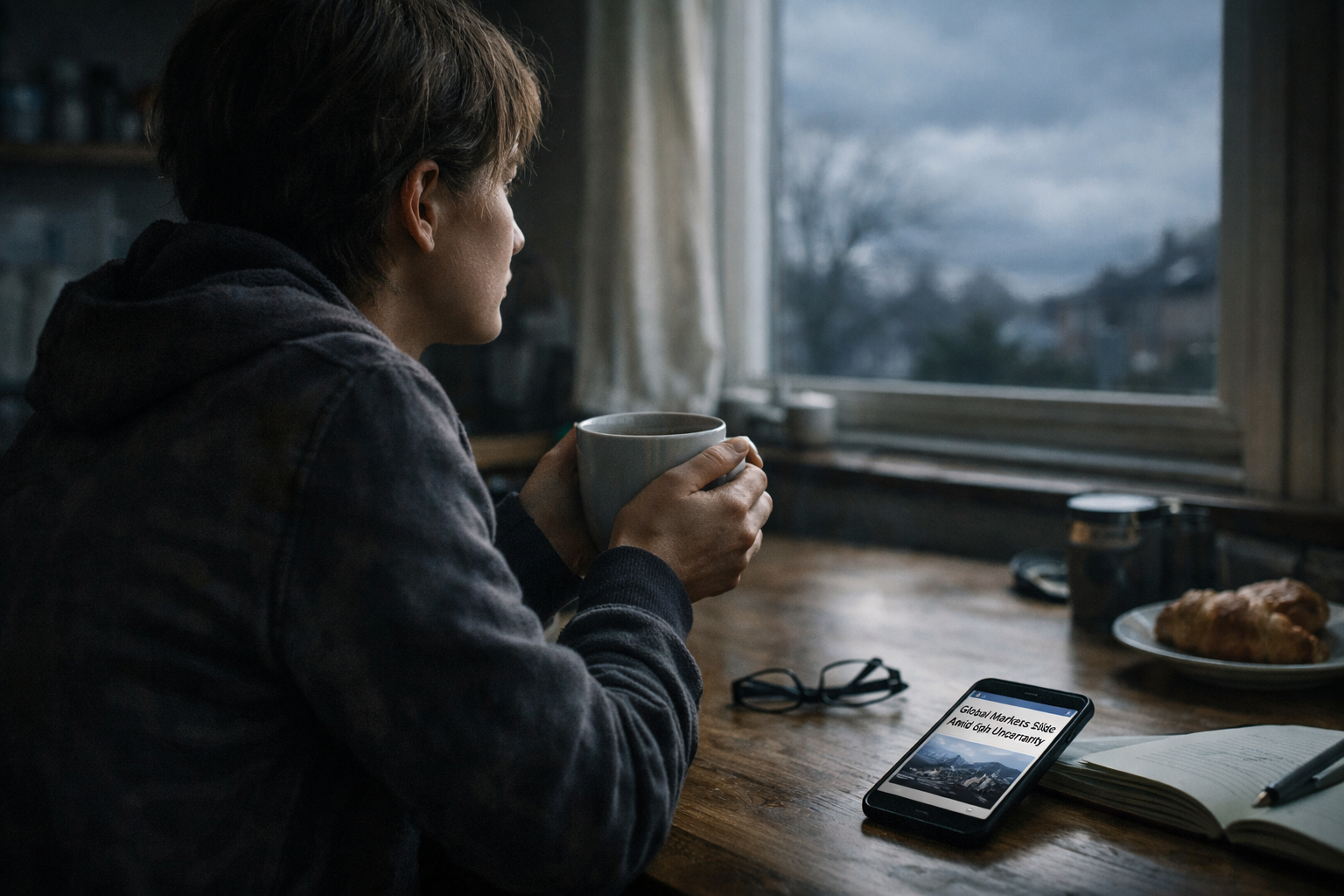
The world feels more dangerous and uncertain — and if that hits home for you, you’re not alone. According to Ray Williams’ March 2026 essay “The Age of Dread” on Medium, over 11,000 people surveyed across different countries reported this. Fifty-seven percent of those not directly dealing with conflict still felt anxious because of global unrest. Plus, the Melbourne Wellbeing Group’s 2025 analysis showed something similar: many folks, even those stable in jobs and relationships and physically safe, suffer from a vague unease. This persistent dread is tough to describe but hard to let go of.
This isn’t catastrophizing. It’s a reasonable reaction to a world that’s gotten a lot more unstable. The latest Global Peace Index, put out by the Institute for Economics and Peace, shows international and interstate conflicts went up 175% since 2010. TIME Magazine pointed out in March 2026 that global risks really stood out in 2026, making it a time of high geopolitical uncertainty. This wasn’t due to just one crisis, but from the ongoing breakdown of the frameworks that kept things stable for years. Climate worries, shaky economies, chaos caused by AI in info spaces, and the endless news cycle are coming together. All of this creates constant stress that affects everyone, no matter what.
This guide honestly lays out why the world feels the way it does — separating what’s real from what’s amplified. It shows regular folks how to safeguard their mental health and keep a stable head on their shoulders. So, they don’t pretend the challenges aren’t there, but can still stay healthy mentally.
What Has Actually Changed — The Real Reasons the World Feels More Dangerous
The world feels more dangerous and uncertain, and it’s not just anxiety or pessimism. This reflects real changes in our global environment, which sped up in 2020. They aren’t slowing down anytime soon, so we have to deal with it.
Global Conflict Has Increased More Than Most People Realize
Global conflict data is grim and clear cut. The latest Global Peace Index report shows a big jump — a 175% rise in international conflicts since 2010. Plus, Countercurrents pointed out ongoing warfare in places like Ukraine, the Middle East, and various parts of Africa in their December 2025 piece. According to TIME’s top global risks list for 2026, competition between nations is heating up. What’s more, the U.S. is stepping away from key international ties like treaties and trade deals, which kept peace after the Cold War. With fighting escalating and world bodies weakening, there’s less structure in place to manage it all. These aren’t just opinions; it’s based on cold, hard facts.
Economic Uncertainty Is Generating Widespread Anxiety at a Structural Level
Economic insecurity is a big driver of feelings that the world is more dangerous. Inflation has hit real purchasing power for most households in the USA and Europe, as NewsHosty pointed out in their earlier analysis. The 2025–2026 tariff war jacked up costs between $1,500 and $2,800 for each US family. According to TIME’s 2026 global risk analysis, North American trade is “stuck in limbo,” with the USMCA being called a “zombie agreement.” So when the economic rules we rely on get all jumbled and shaky, it causes a constant, draining anxiety about money.
Climate Change Is Creating a New Category of Background Anxiety
Climate anxiety, also known as eco-anxiety, is getting noticed as a serious psychological issue. According to a 2025 peer-reviewed paper in Frontiers in Psychology, it wrecks mental health and disrupts daily life, even for folks who haven’t faced climate catastrophes firsthand. Knowing that weather is getting wilder and food systems are a mess causes this underlying fear and hopelessness. People worry about the uncertain future and changing environment. This type of unease blends in with regular daily stress but it hits deep. So in 2026, it quietly runs alongside other worries for millions of individuals.
The Information Environment Has Become Deliberately Destabilizing
In Ray Williams’ March 2026 Medium analysis of what he calls the Age of Dread, there’s something worth emphasizing. People think the world’s getting more dangerous, but that perception is partly true and partly blown out of proportion by systems meant to amp up anxiety. Social media uses algorithms to show us inflammatory stuff because that’s what gets the most interaction. On top of that, politicians bash each other as major dangers, no matter their side. Add to that the constant stream of alarming news stories in our ever-turning news cycle. The Melbourne Wellbeing Group points out that taking in all this negativity “sometimes before we even finish breakfast” revs up our brains’ threat detectors, leaving us hypervigilant and anxious, even if we’re actually safe.
The Psychological Toll — What Sustained Global Anxiety Does to Ordinary People
Getting a grip on how uncertainty affects us mentally and physically is really important. It validates our experiences and helps figure out which kinds of support work best – and why, so we can use that knowledge to cope better.

The Nervous System Cannot Distinguish Global Threats From Personal Ones
The Melbourne Wellbeing Group shows something really important: our brains can’t tell the difference between a personal threat, like a fight or accident, and a global issue we read about online. Whether it’s war, economic crashes, or climate disasters, our brains react the same way each time. When we learn about these big problems, our bodies go into alert mode. We have trouble sleeping, feel less able to fight off illnesses, make decisions poorly, and struggle in our relationships. This response is meant for handling immediate dangers that will eventually pass. But when it’s aimed at ongoing global issues with no quick fix, it just wears us out.
Doomscrolling Amplifies Anxiety Without Providing Any Relief
The urge to keep refreshing the news during tough times, hoping to find some sort of resolution or comfort, actually just makes things worse. Ray Williams’ research shows that this behavior, or “doomscrolling,” really ramps up anxiety instead of calming it. Every scary headline reawakens the brain’s threat response, making it go haywire. Soon enough, the brain starts seeing checking the news as a sign that something dangerous is right around the corner, which makes anxiety way worse. You don’t need to stop caring about what’s going on altogether though. All it takes is planning and being intentional about when you stay informed.
Collective Anxiety Has Become a Defining Feature of Public Life in 2026
Ray Williams’ essay, “Age of Dread,” draws on sociologist William Davies’ work to describe a condition called “permanent emergency.” This is when societies keep people alert to threats that never fully hit but also never go away. Williams says this isn’t random; it’s created by politics on purpose. Political systems want anxious, reactive folks, and media makes money keeping us glued to the latest “emergency.” As a result, regular folks feel emotionally exhausted. It’s not an acute crisis, but more of a slow burn that drains our ability to make good decisions, stay optimistic, and truly rest.
Children and Young People Are Disproportionately Affected
In Frontiers in Psychology’s January 2026 research,climate anxiety among young people gets examined. It shows that feelings of a world growing riskier and more unsure affect young folks especially hard since they’ll deal with these issues for decades. The young are most worried about how global problems like the economy, environment, and geopolitics will shape their futures. And honestly, they have good reason to feel this way because these uncertainties will be part of their lives for a long time. To support their mental health, we need to talk openly about these issues while still showing young people they can make a difference. Focusing on their ability to effect change through community actions and seeing results from what people do is key.
What Ordinary People Can Actually Do — Evidence-Based Responses
Recognizing that the world feels more dangerous and uncertain isn’t the end; it’s just the start of a more honest and effective discussion. We shouldn’t deny or despair though. Instead, we should focus on specific, evidence-based practices that actually build real resilience.

Limit News Consumption to Scheduled, Intentional Windows
Psychologists and mental health groups say the best first step for dealing with anxiety about uncertain times is to control how you consume news, not cut it out entirely. The Melbourne Wellbeing Group suggests picking one or two reliable sources and checking in only at fixed times—like once in the morning and again early evening. This way, you stay informed without falling into the endless worry cycle of doomscrolling. To make this easier, turn off those pesky push notifications for news apps; it’ll prevent your nervous system from getting triggered by alerts you can’t act on right away.
Focus Your Energy on What Is Within Your Actual Control
To beat anxiety from big, out-of-control global issues, focus on what you can actually do something about. The Melbourne Wellbeing Group suggests figuring out where your passions meet what you can really influence. Whether it’s voting, volunteering, cutting down your carbon use, buying local, or just helping a tiny bit with a cause – doing these things turns that anxious energy into stuff that matters. A study in Frontiers in Psychology shows that if you use climate worries to take action, not hide, the anxiety works as a helpful feeling, not a harmful one.
Prioritize Human Connection as a Primary Resilience Strategy
Throughout various analyses of how folks manage during uncertain times, whether that’s studies from war-era psychology or recent research during the COVID-19 pandemic, one thing stands out—human connections matter most. The American Psychological Association keeps pointing this out too. They say social support really buffers the stressful impacts of uncertainty. When we take the time to meet up with friends and family in person—not just a message or call, but actual face-to-face hangouts—it noticeably lowers anxiety and amps up our emotional strength. In a world where many interactions happen behind phone screens, making a point to show up personally somewhere builds our defense against uncertainty.
Distinguish Between Worry and Productive Concern
The Melbourne Wellbeing Group points out an essential practical difference between worry and productive concern. Worry just cycles around in your head without helping anything, but productive concern turns awareness of an issue into actual action, no matter how tiny. This makes all the difference psychologically – feeling like you have agency rather than being helpless. Plus, it affects your brain’s threat response too. If you train yourself to ask, “What can I actually do about this?” and follow through, it seriously cuts down on that constant background anxiety caused by uncertainty in the world.
Building Long-Term Resilience in an Uncertain World
Dealing with anxiety from our risky world isn’t a quick fix issue. To really help, we need to build lasting habits that shield both our minds and bodies for years, not just a few days.

Time in Nature Directly Reduces the Physiological Stress Response
Studies show that being in nature reduces cortisol, lowers heart rate, and helps the prefrontal cortex function better for clear thinking. The Melbourne Wellbeing Group says spending regular time outside can really help with anxiety caused by uncertainty. It doesn’t change what’s going on in the world, but it does physically break the constant stress cycle from too much info exposure. Even twenty to thirty minutes in a park or among trees can boost your brain’s health. So, choosing to be somewhere green and peaceful is actually a proactive way to keep yourself calm in these uncertain times.
Build Genuine Financial Resilience as a Buffer Against Economic Uncertainty
Economic uncertainty causes tons of personal anxiety about the unstable world. Yet, taking action individually can really enhance our security. Building an emergency fund, cutting down unnecessary expenses, and getting a grip on your finances can’t remove all economic risks, but they do lower your personal vulnerability significantly. According to Yahoo Finance’s cost-of-living guide and NewsHosty’s earlier analysis, having modest savings can make a big difference in how financially secure people feel. It’s not about being wealthy; financial resilience comes from having structure, clarity, and knowing there’s something to cushion you between regular life and serious hardships.
Practice Tolerating Uncertainty Rather Than Fighting It
One of the most counterproductive responses to uncertainty is trying to get rid of it by seeking too much info, planning excessively, or wanting total control. These efforts give brief relief but reinforce the idea that uncertainty is unacceptable. The Melbourne Wellbeing Group suggests dealing with global instability by gradually learning to tolerate uncertainty. This means making decisions with incomplete info, dealing with discomfort without solving it right away, and realizing most feared outcomes don’t actually happen as predicted. Cognitive Behavioral Therapy, offered by public health services in the USA and Europe, gives folks methods to handle uncertainty in a systematic way.
Find and Maintain Sources of Genuine Hope and Meaning
In “The Age of Dread,” Ray Williams wraps things up not with doom and gloom but with a challenge: We need to fight against the pressure that causes anxiety by growing and safeguarding real sources of joy, beauty, and hope. He isn’t suggesting we ignore the problems or plaster a grin on; it’s more about recognizing that where we put our focus can change how we experience life. Diving into stories about folks solving issues as well as those highlighting them helps. Also, spending time with folks focused on building futures instead of just mourning, or immersing yourself in art, music, or nature – these aren’t distractions from the tough realities. Instead, they prepare us mentally to tackle a complex and often challenging world head-on.
Frequently Asked Questions About Global Anxiety (FAQ)
Is it normal to feel anxious about global events even when my personal life is fine?
Completely normal — and documented. The Melbourne Wellbeing Group confirms this is the defining psychological experience of 2025 and 2026. The nervous system cannot distinguish between personal and global threats. The survey cited by Ray Williams found 57% of people not directly affected by conflict still experience measurable anxiety from global instability.
What is the single most effective thing I can do to feel less anxious about the world?
Human connection matters a lot. Both the APA and the Melbourne Wellbeing Group say social support is the best shield against anxiety from uncertainty. Face-to-face time with friends beats other methods, like therapy or exercise, when done regularly. So, make time for those catch-ups; they’re super helpful.
Does engaging with global problems make anxiety worse or better?
Research in Frontiers in Psychology on climate anxiety confirms that engagement makes anxiety better — when it produces action rather than rumination. Productive concern, directed toward specific actions within your control, reduces helplessness. Passive worry, cycling without producing any action, amplifies it. The distinction between the two is the most practically important thing to understand about anxiety in an uncertain world.
Conclusion
The world seems far more perilous and unsure, and there are concrete reasons for this feeling. There are more conflicts, financial chaos, and environmental worry. Plus, our info ecosystem is geared up to keep us stirred up and scared. Admitting this truth doesn’t make you pessimistic; it helps you react grounded and not panicked.
To tackle this, scale back on the news. Reach out to friends and family. Concentrate on what you can change. Add tiny stabilizers to your life. This won’t fix global turmoil, but it helps you manage instead of getting swamped. So you can actually live your life meaningfully.