
What Happens If You Don’t Exercise At All? The 2026 Health Reality
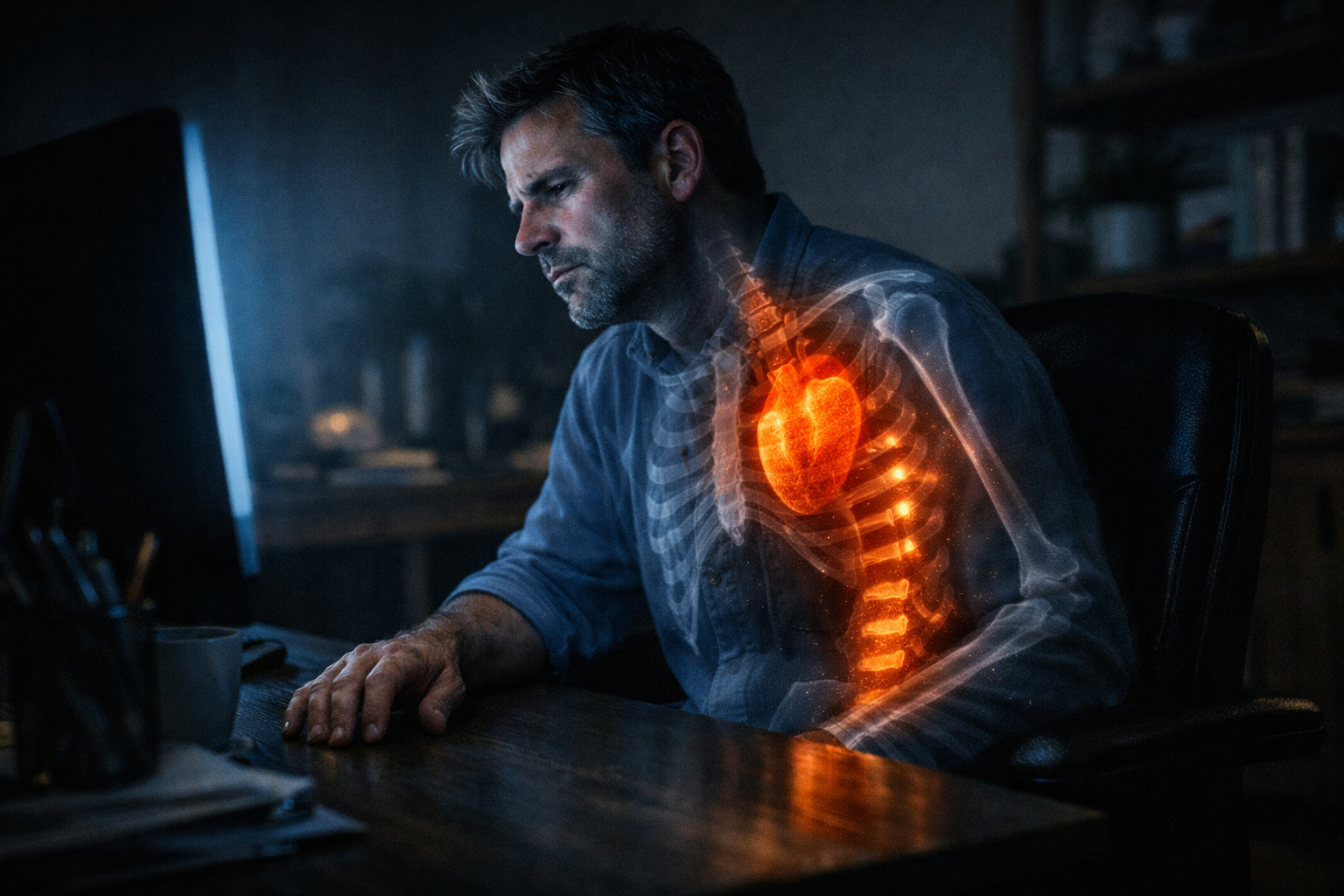
In the current world of 2026, most people find themselves seated in offices, spending their time on their computers, and being driven around in vehicles. Even as we become increasingly interconnected with each other online, there comes an element that is always forgotten about; the health of our bodies. The typical question that people tend to ask is, what happens if one does not work out at all? What one tends to assume is that skipping working out will mean gaining a little bit of weight.
Once you adopt an entirely sedentary approach towards life, then your body will start becoming inefficient. Imagine your body to be a racing car; once that car remains stationary in your garage for years and does not get used anymore, its battery will drain out, its engine will start becoming rusted, and the oil inside the engine will thicken up. Likewise, a human body will not remain the same if he/she does not work out.
The Impact on Your Heart and Circulation
Weakening of the Heart Muscle:
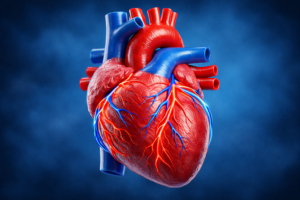
Your heart is a muscle; therefore, it needs to be exercised in order for it to remain healthy. Considering the potential health implications associated with not exercising, the first thing that comes to mind is weakening of the heart. Your heart does not strain when it does not need to perform its duties; hence, it ends up being inefficient in doing even the simplest things, thus causing high blood pressure.
Increased Risk of Clogged Arteries:
Physical activity will assist in keeping your cholesterol balanced as physical activity boosts the “good” HDL cholesterol while reducing the amount of “bad” LDL cholesterol. Inactivity allows fats to start accumulating in your blood vessels. Inactive individuals become at higher risk for heart problems and strokes due to this issue, and this remains one of the most serious illnesses in 2026.
Poor Circulation and Leg Health:
When your body is inactive, poor circulation is inevitable, particularly when considering the circulation in the legs. Swelling and heaviness of the legs can be experienced. Inactivity results in poor circulation, which is one of the consequences of not exercising at all; in extreme cases, the result can be deep vein thrombosis.
What Happens to Your Muscles and Bones?
Muscle Atrophy (Wasting):
Your body assumes it no longer needs to expend energy keeping up its muscle tissue if you don’t work out. This process is referred to as muscle atrophy. One of the main things that will happen when you do not engage in any physical activity is the weakening of your muscles. Daily activities such as lifting shopping bags will become extremely difficult for you.
Loss of Bone Density:
Most individuals don’t appreciate the fact that physical activity, particularly weight training, is vital in maintaining bone strength. In case you are curious about what would happen if there was no physical activity at all, one should think about osteoporosis. Bones require the “stress” that comes from physical activity in order to maintain mineral density and become fragile.
Stiff Joints and Back Pain:
Movement is like lotion for your joints. Lack of constant stretching will cause the fluid that helps keep your joints lubricated to become dry. This is a usual explanation of what can occur when you do not engage in any physical activity, which often results in pain in your back and neck region. Your body literally becomes stiff and immobile.
Mental Health and Brain Function
Increased Anxiety and Stress:
Among other methods, physical activity is considered one of the best natural options when it comes to lowering stress hormone levels such as cortisol. However, an aspect of not being involved in any physical activity that is not obvious is the fact that your anxiety increases. Not having anything to do with your nervousness makes your brain work on “fight or flight” response.
The “Brain Fog” Effect:
The flow of blood is increased to the brain through physical exercises, and this will make you think clearly and remember information. If you do not engage in any physical activities at all, then the results that come out may include a reduction in your mental abilities, and you may have problems focusing at your workplace.
Lower Levels of “Happy Chemicals”:
Exercise causes the production of endorphins and serotonin, both natural ways to improve one’s mood. Unfortunately, one of the most tragic consequences of doing nothing is that you are putting yourself at risk for developing depression. Without the natural boost provided by these chemicals, slipping into a depressed state becomes very easy.
Metabolism and Weight Management in 2026
Insulin Resistance and Diabetes:
Without exercise, the ability for the body’s cells to respond effectively to the hormone known as insulin, which regulates blood glucose levels, is hindered. Lack of exercise leads to this very deadly consequence among others that come about from leading a sedentary lifestyle. In the long run, Type 2 Diabetes can be developed due to this consequence.
Slowing of the Metabolism:
Metabolism refers to how fast your body burns energy. The absence of muscle mass and physical activity lowers the rate of metabolism. This is why the effects of not exercising can easily result in obesity which is very hard to get rid of, despite consuming healthy foods.
Poor Sleep Quality:
Exercise helps keep your internal body clock on track. When you do not tire yourself out through exercise throughout the day, your mind will have difficulty falling asleep into that state of deep and recuperative rest. This is part of the vicious circle created when one does not exercise at all—the lack of sleep leads to lack of energy to exercise.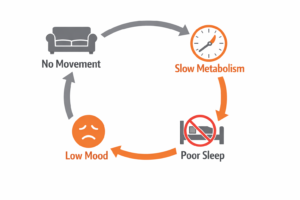
Frequently Asked Questions (FAQ)
Can I be healthy without exercising if I eat well?
A healthy diet is essential, but it cannot compensate for the effects of exercise. The healthy diet controls your body weight, while exercise builds muscles, heart, and the brain. In order to escape the dangers of inactivity, one needs both a healthy diet and exercise.
How much exercise do I actually need?
The guidelines for 2026 advise that one should engage in at least 150 minutes of moderate physical activity each week. One simply has to walk briskly for half an hour daily. It is the minimum time period required for one not to experience the consequences of lack of physical activity.
Is walking considered exercise?
Of course! Walking is probably one of the best forms of movement for your body. It is low impact and promotes blood circulation and cardiac health, not to mention clear thinking. It is the simplest form of undoing the effects of no physical activity whatsoever.
What is the fastest way to start exercising?
Take baby steps first. You shouldn’t feel pressured into going straight into the gym from the get-go. Instead, you can opt to take the stairs instead of the elevator or even go out for a stroll after meals. This will help break up the cycle of what would occur if no exercise was performed.
Final Conclusion on the Importance of Movement
The realization of the consequences you will suffer from not exercising can be a great motivating factor for working out. The body is such a perfect instrument which craves to be worked. It may seem more comfortable to sit on the couch right now, but at the same time, there is a huge toll you are paying on the state of your health and overall mobility. There are plenty of means of exercising in 2026.
The best part about this is that it’s never too late to begin. Whether you’ve been sitting still for decades or just started noticing signs of being overweight, your body will always recover. In taking that initial step right away, you are on your way toward undoing the damage done and making sure that your future will be one where you are physically healthy and emotionally happy.