

The Master Blueprint: Essential Tips for Buying a Used Car with Complete Confidence
Buying a pre-owned car requires a great deal of caution since you might fall into numerous legal traps. But, by following all those important pieces of advice on how to buy a used car, you will become not a helpless victim but rather a competent consumer. Buying pre-owned vehicles in 2026 proves to be an excellent financial decision because the first moment a brand-new car comes off the production line, it loses some value already.

Whether you are searching for an eco-friendly urban car in a lively European city or an SUV in the USA, the basic laws of sound buying stay the same regardless. To be able to buy a quality car, one has to possess a combination of self-restraint, careful investigation, and acute attention to detail. Following all these steps in your car purchasing process allows you to get an absolutely dependable car at the lowest price possible.
Establishing a Bulletproof Financial Strategy
Section Introduction: Before you even set foot in a car dealership or search online, you have to create an extensive financial plan. This is because without it, there is no way for you to be protected against predatory financing.

Defining Your Complete Out-of-Pocket Maximum
Putting an actual limit on how much you can spend financially is the first thing to consider when seeking out advice for purchasing a second-hand vehicle. One’s real budget needs to take into account various factors such as license, repairs, tax, and the cost of insurance. What many people do not realize is that their last penny should be saved for just in case they have to buy new tires or replace the brakes.
Securing Independent Pre-Approved Financing
Avoid entering any dealership with the expectation that its internal finance department will treat you fairly. Instead, go to your own bank or credit union and obtain an independent letter of pre-approval for financing your car. With this letter in hand, you have yourself a concrete interest rate standard that the dealerships’ finance department managers have no choice but to equal or better, thus saving you money right off the bat.
Calculating the Long-Term Ownership Costs
A vehicle that costs relatively little may become very expensive to operate if it guzzles gas or needs expensive replacement parts that must be imported. You should find out what the average miles per gallon is for your chosen model, what kind of service it needs each year, and its classification within the insurance groups. This will ensure that the car does not end up eating your money every month.
The Realistic Down Payment Architecture
The act of putting down at least twenty percent of the total cost of purchasing the vehicle is extremely advisable. The reason behind this is that by doing so, one reduces their monthly payments and reduces the term of the loan altogether. This ensures that one does not end up owing more than they can afford in terms of money.
Uncovering the Hidden History of the Vehicle
Section Introduction: A beautiful appearance can mask a hidden history with many accidents or flood damage, or even odometer tampering. Knowing how to search deeper into the official public records will protect you from purchasing an unsafe mechanical wreck.

Utilizing Comprehensive Vehicle History Reports
One of the best pieces of advice when purchasing a used car would be to get an official vehicle history report based on its VIN number. Companies such as Carfax in the US or HPI Check in Europe will provide information about the history of ownership of that particular vehicle, any accidents that occurred previously, if there were any deployments of the airbag, or even where the car was registered.
Decoding the Official Maintenance Records
If the vehicle has had regular maintenance done on it, it is bound to last longer than a more recent car that has been totally neglected. One needs to look out for regular oil changes, brake fluid replacement, and major maintenance done, such as replacing the timing belts. Where there are no receipts available for services provided, one must be wary no matter how good-looking the car seems.
Spotting Odometer Tampering and Fraud
Mileage fraud is becoming quite a problem in the current secondhand market throughout the world. Compare the mileage reading from the car’s dashboard to the one indicated in past emission inspection documents, safety inspection documents, and the documentation when transferring the title of the car. Any significant drops in mileage readings should raise red flags and indicate that the vehicle’s mileage is much higher than what is shown.
Checking for Outstanding Manufacturer Recalls
Recalls are often performed by automakers in order to eliminate potentially hazardous problems at no cost to the consumer at all. Make sure that before buying, you check the government highway safety website to make sure all recalls are taken care of. The risk involved with driving such a car is simply too much to endanger the lives of your family members.
Mastering the Physical and Mechanical Inspection
Section Introduction: One does not necessarily require being a licensed mechanic in order to recognize the symptoms of a bad structure or engine breakdown. It simply requires carrying out a thorough walk-around.
Evaluating Exterior Body Panel Alignment
Make sure that your vehicle is parked on a completely level surface, and observe any differences in the small spaces between the doors, the fenders, and the hood of the car. When there is a difference in the spaces between these parts or a difference in the colors of the paint, the car must have been involved in a bad accident in the past.
Inspecting the Tires for Uneven Wear
The condition of the rubber tires can give a very telling indication of how well the car’s suspension system is set up internally. For example, if the tires are worn down severely on just one side, then you know that the car needs to have its suspension system adjusted. However, since doing this can be extremely expensive, make sure that you take advantage of this fact and bargain for a lower price.
Checking Vital Fluids Under the Hood
Check the condition and color of the oil in the car by extracting the oil dipstick before starting the engine of the car. If the oil is clear and amber in color, then the condition of the engine is perfect. However, if the oil shows signs of being very thick and milky white, this is a clear indication that the head gasket is blown.
Hiring an Independent Pre-Purchase Inspection
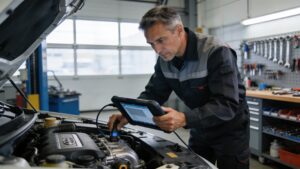
The best way that one can defend themselves while shopping for a vehicle is by paying to have their chosen vehicle inspected in an independent mechanic workshop. For a nominal fee, the technician will jack up the car onto a hoist, run diagnostics using computerized scanning equipment, and inspect the underside of the car for signs of corrosion or leaks.
The Test Drive and Final Negotiation Tactics
Introduction to Section: This is where the real personality of your car is brought out, along with all its quirks. If satisfied, a rational negotiation process will ensure that you get an outstanding bargain from your transaction.

Testing the Vehicle in Diverse Conditions
Even a quick lap through a smooth parking lot will not provide an adequate assessment of how well a car’s mechanics will handle the demands of everyday driving. Drive the vehicle on a course consisting of steep inclines, rugged neighborhood roads, and highway entrances where you have to merge quickly into the flow of traffic. Listen closely without the car radio playing for any unusual sounds like grinding, squeaking transmissions, and rattling.
Verifying All Interior Cabin Electronics
It is important to spend time pressing every button, toggle, and touchscreen controls inside the interior of the car. The air-conditioning should be tested with the highest level of function, as well as the heated seats. Windows should be rolled down and back up again, while ensuring that the sunroof fits tightly. Electronic modules can become very costly if there are problems, so it is very important to test them all out first.
Executing a Calm Data-Driven Negotiation
In considering the ultimate price of the vehicle, strip the discussion of all emotion and base everything off proven valuations in the marketplace. Show the seller print outs of vehicles selling below their asking price in your area and take into account any mechanical issues that you found when inspecting the car to lower its price accordingly. Remember, always be ready to leave if the price cannot be met.
Reviewing the Final Closing Paperwork
Before handing over your money, meticulously read through every line of the purchase contract and title transfer documents. Ensure there are no hidden dealership preparation fees, unnecessary document charges, or forced aftermarket warranty products tacked onto the final bill. Verify the title is completely clear of all financial liens, ensuring you take absolute legal ownership of the vehicle the exact moment the money changes hands.
Frequently Asked Questions (FAQ)
What is considered a safe mileage limit when looking at a pre-owned vehicle?
Although mileage is certainly vital to consider, the condition of the whole automobile is a lot more important than how many miles it actually has. This is because a properly maintained vehicle can outlast a poorly maintained one by several thousand miles. An ideal vehicle should have approximately 12,000 miles annually.
Should I purchase a pre-owned vehicle from a private party or a dealership?
While dealerships provide consumer protection policies, finance opportunities, and certified pre-owned vehicle warranties, their costs tend to be much higher because they include overhead expenses for businesses. On the other hand, private sellers have lower costs, as well as an insight into the character of the former owner of the car; however, such vehicles are sold as is, with no warranty whatsoever.
How much can I save by purchasing a certified pre-owned vehicle instead?
The CPO car comes under the category of the best of both worlds as it lies somewhere between the new and second-hand car. It goes through extensive checking by the manufacturing company and gets a warranty from the manufacturer as well. Although it costs around ten to fifteen percent more than the normal second-hand car, it is definitely worth the extra price tag.
Is it possible to return a pre-owned vehicle if I change my mind?
There is no “cooling-off” period or right to return in the vast majority of typical private transactions in the United States and Europe. You become the legal owner once you sign the title and give away your money. Certain large-scale national dealership networks provide an optional period of free vehicle exchange between three and five days, yet it should be written down in your contract.
Final Conclusion: Driving Away with Long-Term Value
Putting time into knowing the right advice when purchasing a second-hand car is an amazing present to give your future finances. You will have safeguarded yourself against the dangers of making the wrong decision by being strict from start to finish—from computing your budget to not engaging in dubious purchases. The second-hand car industry always rewards those who are more prepared than impulsive.
When you enter the marketplace, keep in mind that you have the final say in the purchase, since you are free to refuse. The process outlined in this manual can be used as your own personal blueprint, guiding you through each decision in a completely objective way. With the information from your inspection checklist, the facts of your mechanical report, and the numbers on your data sheet, you’re well prepared to make the right choice in buying a quality vehicle.