
Sustainable Global Event Planning: How Eco-Friendly Management Is Transforming Large-Scale Gatherings
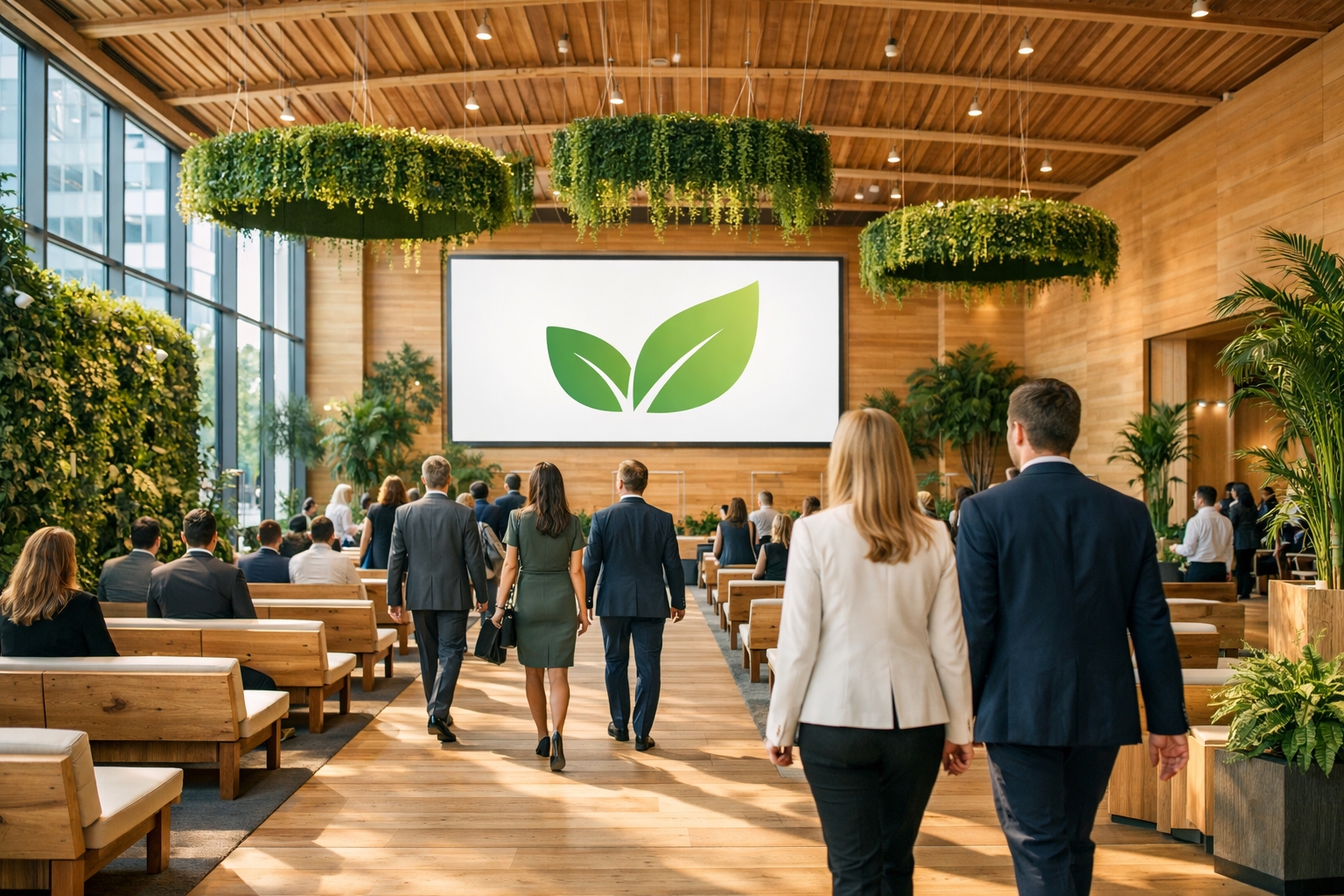
An efficient sustainable plan for hosting global events has rapidly changed from being just a public relations fad into a necessary component for all large-scale corporations around the world. For years now, organizing huge conferences, sporting events, and gala dinners has been done in a highly inefficient way, which included use of disposable plastic banners, large quantities of waste food due to catering, and excessive CO2 emissions due to flights between countries. In modern times, these outdated ways of organizing an event have been fiercely opposed due to eco-aware attendees.

In order to create an enduring and high-performing project that captures the hearts of modern day audience, event organizers in America as well as Europe need to start rethinking their timeline of project implementation from scratch. That means moving beyond just minor tweaks on the surface and re-engineering the very infrastructural, logistics, and energy systems in order to cut down the ecological footprint. In today’s world where successful producers strive for creating unforgettable experiences, such an approach is simply key.
Green Venue Selection and Infrastructure Standards
Sustainable global events planning starts with a genuine effort to pick business venues that actively reduce resource use. This step involves meeting all the necessary construction requirements for reducing your environmental footprint even before opening up the doors.
International LEED Certification and Green Credentials
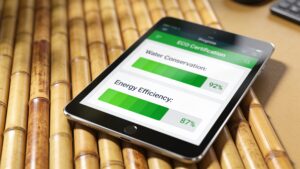
The selection of business facilities having proven Leadership in Energy and Environmental Design (LEED) certification makes sure that you get to experience the most efficient operations within your buildings from the outset. Buildings that are LEED certified utilize the best insulations, energy-efficient indoor lights, and indoor air quality monitoring systems to minimize operational costs by default. Choosing these premium business venues is enough to minimize your environmental footprint.
Renewable Microgrid Infrastructure and Solar Generation
Choosing convention venues whose electricity sources come from solar cells or wind turbine arrays set up locally or even from battery storage microgrids is quite advantageous. These renewable energy systems ensure that your event runs efficiently without having to depend significantly on conventional fossil fuel-based energy networks, hence reducing your carbon footprint considerably during periods of peak usage. Such energy decisions shield your event from the stress of the local power network while embracing genuine green energy management practices.
Advanced Greywater Recycling and Conservation Layouts
Choosing modern convention centers with automated water harvesting technology and greywater plumbing is a fantastic method for reducing resource wastage. Modern greywater plumbing and water harvesting technology recycle water from sink drains for landscaping and rest room sanitization, resulting in substantial reductions in fresh water usage during your event days. This important factor in saving resources shows that big events can take place without affecting the local ecosystem.
Proximity to Mass Public Transit Channels
One important factor in responsible facility location is choosing facilities that are conveniently situated right at major fast-speed electrical railways, subways, and environmentally friendly buses. The ease by which people can reach the event without having to rely on rental or individual vehicles greatly reduces traffic congestion. Not only does it make traveling easy for visitors from both within the country and abroad, but it also reduces the amount of commuter-produced greenhouse gases.
Circular Supply Chains and Zero-Waste Materials
Reducing single-use waste and having materials in a circular lifecycle is one of the most important aspects of sustainable global event management. The following paragraphs will provide information on how to replace regular building elements with sustainable substitutes.

Modular Exhibition Staging and Component Reuse
Making an entire shift from custom-designed wooden stands, which are subsequently disposed of in the nearby landfill site just after the conclusion of the event, takes precedence above all else. However, modern organizers employ modular aluminum stand construction frameworks along with interchangeable fabric panels that can easily be dismantled and shipped for the next roadshow. In this way, the selection of materials allows saving money on manufacturing during your whole year.
Plantable Seed Paper and Biodegradable Badges
The use of laminated plastic ID cards and switching them to seed paper ID cards or ID cards that will biodegrade easily at home through backyard composting will be a clever way of involving your audience. The ID cards are designed using safe vegetable-based inks, while the lanyards used are made from recycled plastic and cotton materials. The audience gets to plant the items once the event is over.
Mandatory Zero-Plastic Catering and Compostable Utensils
It is mandatory that your food courts strictly follow contract requirements that prohibit the use of all plastic water bottles, individual condiments, and straws in your food court. You have to collaborate only with caterers who provide beverages in bulk dispensers, edible stirrers, and bamboo plates which are biodegradable. In such a manner, you will maintain an extremely clean environment in your venue.
Localized Closed-Loop Composting Partnerships
Having clear and color coded stations which are automatic sensors on the floor of the premises will help ensure that the organic wastes are separated from the recyclable wastes. The idea of working with local agricultural firms for transportation of organic waste to nearby composting sites will ensure that the catering waste is converted into fertilizer for soils. This loop will help avoid organic wastes from decaying in closed municipal landfills.
Intelligent Energy Management and Digital Production
Use of state-of-the-art computing resources and digital frameworks to substitute laborious conventional procedures is a critical aspect of sustainable global events. This section examines how modern technology enables extremely efficient production systems.

High-Efficiency LED Stage Lighting Arrays
Switching the inefficient, heat-emitting halogen spotlights with highly efficient and powerful LED lights will result in huge savings on electrical power in extended manufacturing processes. These new lights not only work cool but also provide an amazing color quality that is ideal for live television broadcasting. This small but very effective upgrade will ensure low electricity usage, lower risks of fire outbreaks backstage and an impressive appearance of the speaker.
Virtual Event Hosting Platforms and Hybrid Access
Using digital streaming together with the ticket types will allow the organizer to increase the scope of his event’s global outreach, significantly reducing the environmental impact caused by travel. The participants who join the event remotely can attend the keynote speeches, use virtual booths, and network without traveling by air to attend your event abroad.
Smart HVAC Automation and Occupancy Tracking
Utilization of intelligent environmental sensors which automatically control the amount of air conditioning and heating depending on occupancy rates in the hall prevents waste of electricity when there is nobody around. Depending on how people distribute their occupancy among large exhibition halls and small rooms, the automated system adjusts the airflow to keep guests comfortable at all times. Such energy balancing significantly reduces utility expenses.
Paperless Event App Ecosystems for Navigation
Removing bulky paper orientation packs, bulky itineraries, and floor maps that have been printed and replacing all the necessary information about the events within a user-friendly smartphone application is very effective. This customized application offers updated schedules, interactive maps to direct guests to the particular session, and the speaker can share his presentations easily through digital slides. This is cost-effective as there will be no need for any printing charges.
Low-Emission Transportation and Carbon Offsetting
Environmental impact of long distance transportation is the last element of the structure of modern sustainable playbooks for organizing global events. The chapter reveals how to make an effort to neutralize greenhouse emissions that are unavoidable.

Electric Shuttle Fleet Integration for Guest Transit
The availability of specially allocated electric and hybrid buses for shuttling delegates from local hotel destinations to the convention venue is revolutionary. This will make it unnecessary for each delegate to organize personal taxi trips during the week of the conference. The transportation strategy ensures punctual attendance at all events while ensuring that the air remains clean and breathable for the locals.
Localized Equipment Sourcing and Freight Consolidation
Decreasing the large negative effects on the environment caused by transporting large stage equipment through the sea requires direct procurement of hardware, computer displays, and furniture from vendors within the region. In the event that hauling over long distances cannot be avoided, it is crucial to schedule consolidated hauling trips that allow for trucks to operate with maximum loads to avoid making extra trips.
Certified Gold Standard Carbon Offset Sourcing
The purchase of carbon offset credits that are fully certified from renowned international bodies such as the Gold Standard foundation ensures that any carbon emissions produced through flights are neutralized. The funds invested in this project go towards financing various projects all around the world that include the planting of trees, purification of drinking water, and setting up solar power in rural areas.
Eco-Friendly Hotel Blocks with Green Lodging Networks
Your event will only be able to work with hospitality groups that possess environmentally friendly certifications. Eco-friendly hotels will ensure that your guests get accommodated by hotels with great environmental practices. The hotel will have energy efficient appliances, reuse towels, and ban plastics toiletries from the bathroom area. Your guests will experience an event that is sustainable all the way.
Frequently Asked Questions (FAQ)
Does implementing sustainable global event planning significantly increase overall production costs?
Although there are certain green materials and green certified places that may need more money at first, the savings that they provide are soon made up for. There is no need to buy disposable paper products anymore, which helps reduce costs, while using less energy in the venues with LED systems also brings cost benefits.
How do virtual attendance options impact the overall networking quality of a live conference?
The modern hybrid platforms use sophisticated chat rooms, automated matching algorithms, and virtual conference rooms to provide remote participants with an extremely immersive digital environment. Physical handshakes are unique in their own right; however, the state-of-the-art technology enables global business people to exchange virtual business cards, documents, and establish highly lucrative connections without leaving home.
What steps should I take if a chosen venue lacks local renewable energy sources?
If the facility uses only the old conventional electricity sources such as coal and gas power grids, then balancing out this energy usage becomes very simple in terms of buying authentic green power credits or carbon offset credits. One could also deploy low-energy LED lighting, automate HVAC systems, and utilize natural daylight to ensure minimal electrical usage.
Are modular exhibition stages durable enough to handle heavy corporate equipment displays?
Absolutely. The construction materials for today’s modular stage systems have been developed from quality aluminum alloy materials that have immense strength and are stable enough to handle large commercial products. Such durable frames can be rearranged into various configurations thousands of times before wearing out.

Final Conclusion: Setting a New Standard for Global Gatherings
Investing in a meticulous, forward-thinking sustainable global event planning framework is the ultimate way to design highly successful, responsible, and deeply impactful gatherings for the modern world. The outdated practice of staging high-waste, plastic-filled conventions that leave massive carbon trails is rapidly disappearing, replaced by smart, circular systems built on certified green venues and modular staging architectures. By centering your production budget around local equipment networks, paperless application ecosystems, and certified carbon offset programs, you can comfortably safeguard your organization’s environmental integrity while delivering an exceptional guest experience. As progressive communication channels across the United States and European nations continue to champion green developments, the event organizers who enjoy the highest industry respect will be those who design their large-scale spaces with the planet’s long-term future in mind.

3 thoughts on “Sustainable Global Event Planning: 16 Best Practices”