
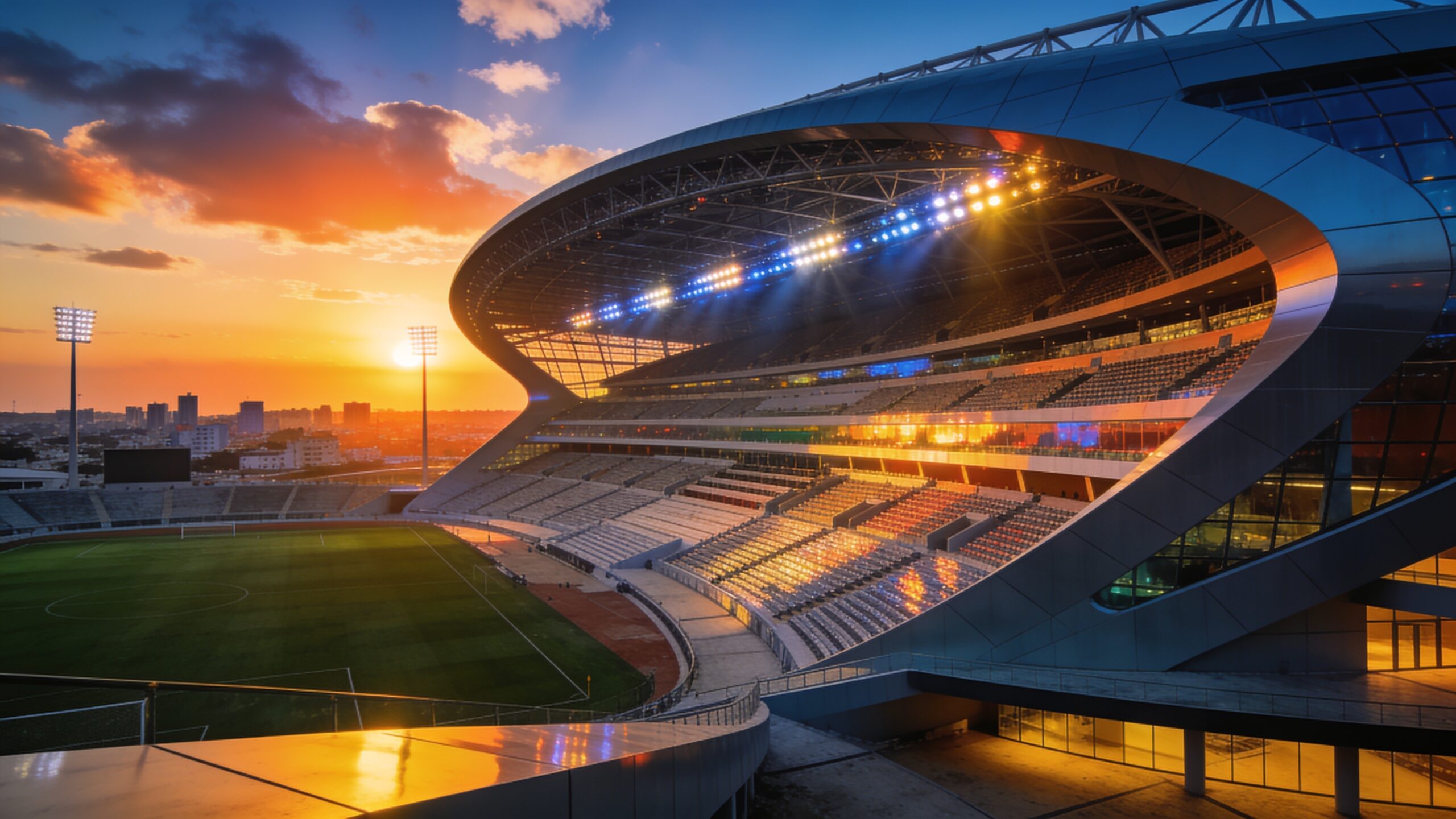
Dakar 2026 Youth Olympics & Modern International Event Logistics
The Dakar 2026 Youth Olympic Games represent a landmark historical milestone as the first Olympic sports event hosted on the African continent. Scheduled from October 31 to November 13, 2026, across three distinct host clusters—Dakar, Diamniadio, and Saly—the historic tournament unites over 2,700 elite young international athletes. Executing this massive multi-venue athletic gathering showcases how modern international event logistics transform sovereign sports infrastructure, streamline cross-border supply chains, and establish sustainable host legacies while under intense global media scrutiny.

Managing large-scale international sporting assemblies requires orchestrating interconnected transport corridors, high-density athlete villages, multi-agency security networks, and complex technology integrations. From converting university campuses into secure delegation accommodations to deploying multi-modal transit links like Senegal’s Regional Express Train, mega-event operational frameworks demand rigorous, precise planning. Analyzing Dakar 2026’s operational roadmap offers event directors, municipal planners, and venue managers essential insights into executing high-stakes public gatherings, controlling financial budgets, and building legacy infrastructure that thrives long after closing ceremonies finish.
Host Venue Architecture in Modern International Event Logistics
Constructing integrated host venue ecosystems lays the functional foundation for multi-city athletic assemblies within modern international event logistics frameworks today. This section examines multi-zone cluster design, rapid modular sports facility deployment, venue readiness testing, and high-capacity broadcast power infrastructure.
Multi-Zone Cluster Strategy and Decentralized Venue Management
Decentralizing competition venues across distinct geographic nodes minimizes urban congestion while maximizing regional infrastructure development. Dakar 2026 distributes 35 sports disciplines across the urban center of Dakar, the newly developed smart city of Diamniadio, and the coastal hub of Saly. Operating decentralized venue clusters demands dedicated local command structures to synchronize athlete transport, media coverage, and spectator movement across separate municipal jurisdictions smoothly.
Modular Facility Engineering and Rapid Temporary Infrastructure
Deploying temporary sports structures and modular arenas accelerates facility readiness without burdening local governments with expensive, underutilized permanent stadiums post-event. Coastal zones like Saly rely on demountable seating, temporary beach volleyball courts, and prefabricated operational centers to support Olympic events efficiently. Engineering flexible, reusable modular infrastructure reduces upfront capital expenditure while allowing rapid site restoration once international competition schedules conclude.
Venue Readiness Audits and Operational Stress Testing
Conducting comprehensive venue readiness audits ensures competition fields, lighting arrays, and spectator amenities meet strict international sports federation technical specifications. Test events simulate full operational loads, evaluating athlete flow paths, ticketing turnstiles, food concession logistics, and emergency medical access under peak conditions. Identifying functional bottlenecks during pre-event trials enables logistics directors to refine venue operations before international delegations arrive.
High-Density Power Grid Resilience and Broadcast Integration
Establishing redundant, high-density electrical power grids prevents critical energy outages during global television broadcasts and night competitions. Major sports arenas require primary utility connections paired with automated backup generators and uninterrupted power supply units. Coordinating heavy power distribution with international broadcast crews guarantees stable transmission feed coverage, protecting high-definition video broadcasts delivered to millions of international viewers worldwide.
Delegation Mobility in Modern International Event Logistics
Transporting thousands of athletes, officials, and international spectators safely forms a critical operational pillar within modern international event logistics strategies. This segment explores dedicated transit corridors, athlete village integration, international customs clearance, and spectator traffic management.
Express Transport Corridors and Fleet Fleet Management
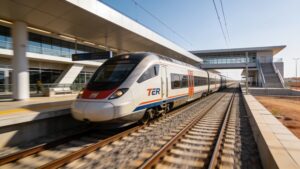
Establishing dedicated traffic lanes and express transit corridors connects venue clusters directly, shielding athlete shuttles from municipal morning traffic jams. Senegal’s Regional Express Train serves as a primary logistical backbone, linking central Dakar to the Diamniadio hub rapidly. Coordinating dedicated vehicle fleets using real-time GPS tracking guarantees punctual delegation transfers between training grounds, athletes’ villages, and competition arenas daily.
Athlete Village Logistics and Residential Management
Converting the Amadou Mahtar Mbow University campus in Diamniadio into the official Youth Olympic Village demonstrates efficient residential housing management. The village provides secure residential accommodations, multi-faith centers, continuous dining halls, and comprehensive medical clinics for 2,700 young international competitors. Designing seamless residential logistics ensures young athletes operate in a safe, stress-free environment optimized for rest, nutrition, and top athletic performance.
Streamlined Border Entry and International Customs Freight
Expediting international border control and equipment customs clearance prevents frustrating delays for arriving athletic delegations and technical support staff. Implementing special event visa waivers and designated airport arrival lanes accelerates delegation processing through major international transit hubs. Coordinating freight logistics for specialized sports equipment—such as pole vault poles, bicycles, and sailing craft—ensures gear arrives safely at competition venues well before training sessions begin.
Multi-Modal Spectator Transit and Demand Management
Managing public spectator transport relies on high-frequency bus rapid transit systems, park-and-ride facilities, and clear pedestrian directional signage. Event organizers utilize digital mobility applications to provide spectators with real-time transit schedules, parking availability, and walking route recommendations. Implementing strategic travel demand management reduces private vehicular traffic around competition zones, encouraging green public transit usage while maintaining smooth traffic movement citywide.
Crisis Management in Modern International Event Logistics
Executing bulletproof safety and risk mitigation protocols safeguards participant well-being and operational continuity within modern international event logistics blueprints globally. This section details multi-agency command structures, crowd safety protocols, cyber-resilience frameworks, and public health surveillance.
Unified Command Structures and Multi-Agency Safety Protocols
Establishing a central Joint Operations Center unifies national police, military personnel, municipal fire services, and international security agencies under one command architecture. Unified command centers monitor live video feeds, track transit fleets, and direct emergency security deployments across all venue sites simultaneously. Clear chain-of-command protocols eliminate inter-agency confusion, ensuring rapid, decisive responses to security threats, severe weather events, or operational disruptions.
High-Density Crowd Control and Barrier Engineering
Deploying trained security stewards alongside heavy physical barriers controls spectator queues at arena entry gates and ticket validation checkpoints. Security personnel utilize non-intrusive bag scanners and metal detectors to screen incoming crowds without creating massive entry bottlenecks outside stadium perimeters. Controlling crowd density through perimeter zoning prevents dangerous surge incidents, ensuring a secure, orderly atmosphere across all public fan parks and competition spaces.
Cybersecurity Architecture and Digital Asset Protection
Protecting digital event systems against cyber threats safeguards ticketing platforms, timing databases, scoring feeds, and public communication networks. Cybersecurity teams deploy multi-layered firewalls, encrypted communication channels, and real-time threat detection software to neutralize malicious attacks instantly. Securing digital infrastructure preserves operational integrity, protecting sensitive athlete health records, proprietary accreditation databases, and financial transaction networks from unauthorized external access.
Public Health Surveillance and On-Site Medical Systems
Integrating specialized medical response teams across competition venues ensures immediate emergency care for competing athletes and visiting spectators alike. On-site medical stations feature advanced life support equipment, mobile triage teams, and dedicated ambulance routes directly to designated trauma hospitals. Continuous public health monitoring tracks potential disease outbreaks or food safety risks across dining facilities, maintaining strict sanitation standards throughout the event lifecycle.
Sustainable Legacy in Modern International Event Logistics
Designing long-term community value transforms temporary sports events into enduring urban infrastructure assets within modern international event logistics models. This section covers legacy asset repurposing, local economic empowerment, green event operations, and youth educational integration.

Repurposing Venue Infrastructure for Community Development
Planning venue legacy applications ensures state-of-the-art sports facilities remain active public assets long after international competitions end. Renovated venues like the Iba Mar Diop Sports Complex transition directly into municipal sports centers, school athletic fields, and regional training academies. Transforming the Youth Olympic Village back into university dormitories provides high-quality academic housing, ensuring host city investments deliver decades of social and educational dividends.
Local Vendor Integration and Economic Capacity Building
Sourcing goods, catering services, and event staging from local Senegalese businesses retains financial capital within the host economy while building regional enterprise capabilities. Supply chain programs train domestic vendors to meet strict international procurement, safety, and sustainability standards. Empowering local contractors creates skilled employment opportunities, equipping domestic workforce talent with valuable expertise applicable to future large-scale commercial and industrial construction projects nationwide.
Zero-Waste Event Execution and Environmental Stewardship
Implementing eco-friendly event management practices minimizes carbon footprints through solar energy utilization, single-use plastic bans, and comprehensive waste recycling programs. Venues feature clear waste-sorting stations, rainwater harvesting systems, and energy-efficient LED lighting installations across competition floors. Prioritizing environmental stewardship sets a benchmark for future host nations, demonstrating that global sporting spectacles can achieve high operational standards while actively protecting local natural ecosystems.
Youth Educational Integration and Cultural Exchange
Combining competitive sports with interactive cultural exchange programs fosters global understanding and youth leadership across participating international nations. Local schools participate in Olympic educational initiatives, learning about international geography, athletic health, and sportsmanship values. Creating open-access cultural festivals across host zones celebrates African hospitality, inspiring Senegal’s youth demographic while establishing a vibrant, enduring cultural footprint across the broader international community.
Frequently Asked Questions (FAQ)
What makes the Dakar 2026 Youth Olympic Games historically significant?
Dakar 2026 is the first Olympic sports event hosted on the African continent. Taking place across Dakar, Diamniadio, and Saly, it brings together 2,700 international athletes to celebrate youth sports, showcase African culture, and accelerate long-term sports infrastructure development across Senegal.
How does a multi-zone cluster strategy benefit host cities during major events?
Distributing competition venues across multiple municipal zones prevents severe urban traffic congestion in central city areas. It allows event organizers to upgrade regional transit links, spread economic benefits to surrounding communities, and tailor infrastructure investments to specific local urban development needs.
How do modern event organizers ensure athlete transport reliability?
Organizers establish dedicated traffic corridors, utilize express passenger rail links like Senegal’s Regional Express Train, and deploy fleet management systems equipped with real-time GPS tracking. These measures shield athlete shuttle buses from daily urban traffic disruptions, guaranteeing punctual arrivals at competition venues.
What happens to the Dakar 2026 Youth Olympic Village after the Games?
The Youth Olympic Village, located at the Amadou Mahtar Mbow University campus in Diamniadio, will be converted directly into long-term student housing and academic facilities post-event. This legacy strategy provides lasting educational infrastructure, preventing facilities from becoming underutilized “white elephants.”
Final Conclusion
Mastering modern international event logistics is the essential prerequisite for delivering seamless mega-events that inspire international audiences while building lasting host legacy value. By combining decentralized venue cluster management, dedicated transit corridors, unified safety command architectures, and forward-looking legacy planning, host organizers can execute multi-sport international competitions smoothly. The strategic blueprint demonstrated by Dakar 2026 illustrates how global sporting spectacles can serve as powerful catalysts for sustainable economic, infrastructural, and social transformation.
As international sports gatherings grow in complexity and cultural reach, event directors and municipal planners must adopt adaptable, data-driven logistical frameworks. Prioritizing athlete well-being, environmental stewardship, local economic empowerment, and community facility repurposing ensures that global host cities maximize their return on investment. Organizing multi-venue international events with logistical precision guarantees that the excitement of live competition translates into permanent community benefits for generations to come.