
How to Plan a Christmas Market Trip in Europe (2026 Guide)
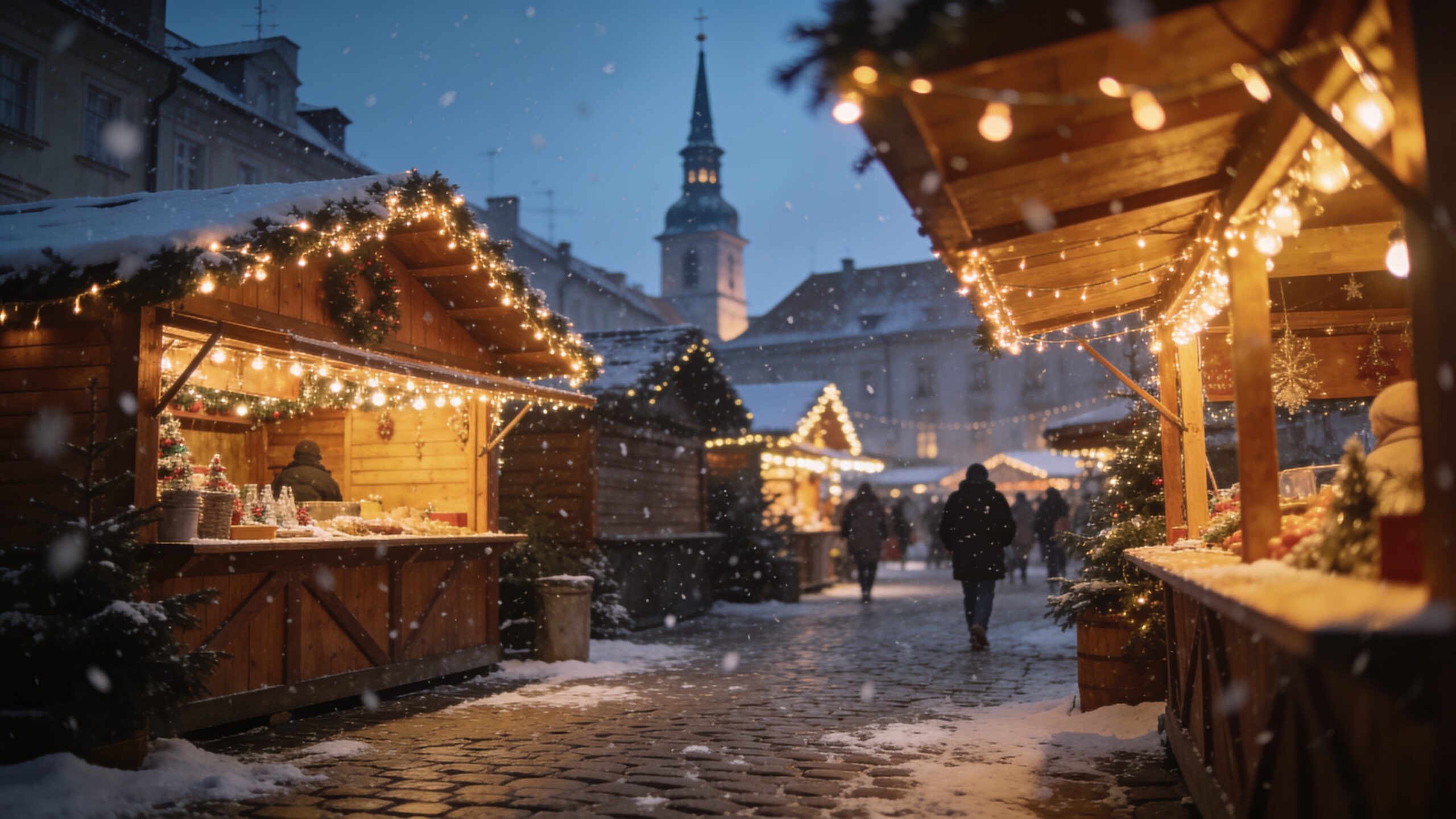
Few trips feel as festive as a European Christmas market: the smell of mulled wine and roasted nuts, wooden stalls glowing with lights, and a church tower behind it all. They are also easy to get wrong. Dates differ from city to city, some markets close before Christmas Day, and the busiest weekends fill up months ahead.
This guide helps you plan from the start. It covers when to go, how to choose a city, how to book and budget, what to eat and drink, and what to know on the day. It is based on an official city notice, a national tourist board page, and two travel sites, and I’ve marked where I couldn’t confirm something. Market dates and opening hours change, so always check the official site for each market before you book.
When to Go
The season in short
Most European Christmas markets open between mid and late November and close shortly before Christmas. Some stay open into early January. Travel sites updated in autumn 2026 note that Vienna’s palace market and Prague’s market run into early January, while several German markets close on or before December 24. So if you want to visit on Christmas Eve or after, check the closing date first.
Some 2026 dates
The table shows dates reported by travel sites in the weeks before this guide was written, except for Nuremberg, which comes from the city’s own official notice. Treat the others as a guide and confirm them with each city.
| Market | Reported dates in 2026 | Source type |
|---|---|---|
| Vienna (palace market) | Nov 6 to Jan 6 | Travel sites |
| Munich | Opens around Nov 20, closes Dec 24 | Travel site |
| Dresden | Nov 25 to Dec 24 | Travel site |
| Strasbourg | Nov 26 to Dec 24 | Travel site, not confirmed for 2026 on the official page I found |
| Nuremberg | Nov 27 to Dec 24 | Official city notice |
| Prague | Nov 28 to Jan 6 | Travel sites |
For Nuremberg, the official notice says the market is open daily from 10:00 to 21:00, and on Christmas Eve from 10:00 to 14:00. It also says the city doesn’t guarantee the market will run exactly as scheduled. I could only find Strasbourg’s official page for the 2025 edition, so for 2026 I’m relying on a travel site that lists the same pattern.
The best window
One travel site recommends late November, especially after November 27, through mid-December, when most markets overlap. That is one writer’s suggestion, but it makes sense: you have more choice and the markets are in full swing. If you want to see several in one trip, start from about November 27.
Early, late, or midweek?
One travel site suggests weekday afternoons are calmer. Evenings and weekends are usually busier, which is understandable, though I haven’t found visitor numbers to prove it. If you can, pick a weekday.

Choose Where to Go
One city or a route?
For a first trip, I’d suggest picking one or two cities and staying a few days in each, instead of racing across the continent. That is my suggestion, not a rule. Trains between nearby cities can be easy, but each move costs time and money.
Match the market to what you like
Different markets have different strengths. The German National Tourist Board page describes a few:
- Nuremberg: Known for its Christkind opening ceremony from the Frauenkirche balcony and for Lebkuchen, a spiced gingerbread. The board says the market draws over two million visitors a year.
- Dresden: The Striezelmarkt opened in 1434, according to the board, and features a giant Schwibbogen (a decorative candle arch) and a walk-in Christmas pyramid.
- Erzgebirge crafts: The region is known for wooden figures such as nutcrackers.
For Strasbourg, Vienna, and Prague, I relied on travel sites, which don’t tell me what each market is best at, so I’d read the city’s official page for your chosen market and decide from there.
Big or small?
Large markets have the most choice, but also the biggest crowds. Smaller town markets can feel calmer and more local. I haven’t compared them with data, so this is general reasoning. If you dislike crowds, a smaller market or a weekday visit is worth considering.
Check accessibility early
Some official market pages publish accessibility maps. The Strasbourg page I read lists a map for people with disabilities, but it was for the 2025 edition. If you need step-free routes, look for the equivalent on the current official page, and contact the tourist office if you’re not sure.
Book and Budget
Book early
A travel site updated in October recommends booking hotels and trains two to three months ahead. Since many markets open in just a few weeks, the sooner the better. The other travel site suggests booking refundable accommodation if your plans depend on a market whose dates are provisional. It gives Sofia as an example, with dates expected based on previous years.
What things cost
Prices change, so treat these as examples that were reported in autumn 2026:
- Mulled wine: roughly €4 to €6, plus a refundable mug deposit, according to one travel site.
- Entry: one travel site says a Berlin market charged about €2, with free weekday afternoons. Many markets are free to enter.
I haven’t checked food or accommodation prices, so compare quotes for your dates.
Cash or card?
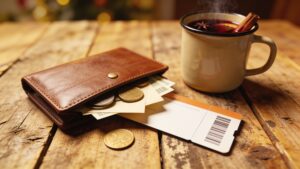
One travel site advises carrying cash, because some stalls may not take cards. The other advises that if a card terminal offers to charge you in your home currency, such as dollars, you should choose the local currency instead to avoid an unfavorable conversion rate. I’ve used these as practical tips, but neither came from an official source. Also, not every country in Europe uses the euro, so check which currency applies where you’re going.
Getting around
The same site notes that city-center parking is limited, so use trains, trams, or buses. Strasbourg’s official page also points visitors to park-and-ride car parks, though that was for 2025.
Eat, Drink, and Shop
Mulled wine and the mug deposit
In Germany, mulled wine is called Glühwein, and it is served in a mug. A travel site explains that you pay a deposit on top of the drink price, and you can return the mug for a refund or keep it as a souvenir. It doesn’t give an exact amount, and I couldn’t find one in an official source, so check the stall’s sign. The Nuremberg notice states that disposable tableware is not permitted under the market rules, though it doesn’t say who the rule applies to, so don’t count on getting a plastic cup.
Local treats
The German tourist board lists many regional specialties. Examples include Nuremberg Lebkuchen, Dresden Christstollen (a fruit loaf), Lübeck marzipan, Aachen Printen (a spiced biscuit), and Bratäpfel (baked apples). It also lists savory favorites such as currywurst and Thuringian bratwurst. If you have food allergies, ask the stallholder about ingredients, since I haven’t researched allergen labelling.
Shopping for traditional goods
The Nuremberg notice says vendors are limited to traditional Christmas goods, and excludes things like fairground rides, balloons, and fireworks. That keeps the market focused on crafts and food. Wooden toys, ornaments, and candles are common gifts, but I haven’t checked what is local-made and what isn’t, so ask stallholders if that matters to you.
On the Day: Practical Tips
Dress for the cold
Markets are outdoors and you’ll spend hours standing, so wear warm layers, a hat, gloves, and comfortable waterproof shoes. This is general advice, not from a source.
Go when it’s calmer
Aim for weekday afternoons, as the travel site suggests. If you only have a weekend, go early in the day.
Keep your belongings safe
Crowded places are a favorite of pickpockets. This is general travel advice, not from a source I read, but keep your bag zipped in front of you, avoid keeping your phone and wallet in a back pocket, and keep some cash separate from your cards.
Check entry rules before you travel
Entry requirements depend on your nationality and change often. A travel site reported on September 29, 2026 that the EU’s Entry/Exit System has been live since April 10, 2026, that an EU travel authorisation scheme called ETIAS was not yet operating, with a launch expected in the last quarter of 2026, and that UK travellers need an electronic travel authorisation costing £20 via official channels. I haven’t verified those points, and they may have changed, so check your own government’s travel advice and the official EU pages before you book.
Know the market’s rules
The Nuremberg notice mentions that it doesn’t cover payment methods, mug deposits, dog policy, bag rules, or accessibility, so check the market’s own visitor page for details like these. Don’t assume the rules in one city apply in another.
A short checklist
- Check the official dates for each market, and the closing date if you travel late.
- Aim for late November to mid-December, and a weekday if possible.
- Choose one or two cities for a first trip.
- Book trains and hotels early, with refundable rooms if you can.
- Carry some cash, and choose the local currency at card terminals.
- Expect a deposit on mugs, and check the amount at the stall.
- Dress warmly, and keep valuables secure.
- Check entry rules and accessibility information.
A Christmas market trip works best when you plan the dates, book early, and leave time to wander. Start with one city, check the official dates, and the rest will fall into place.