
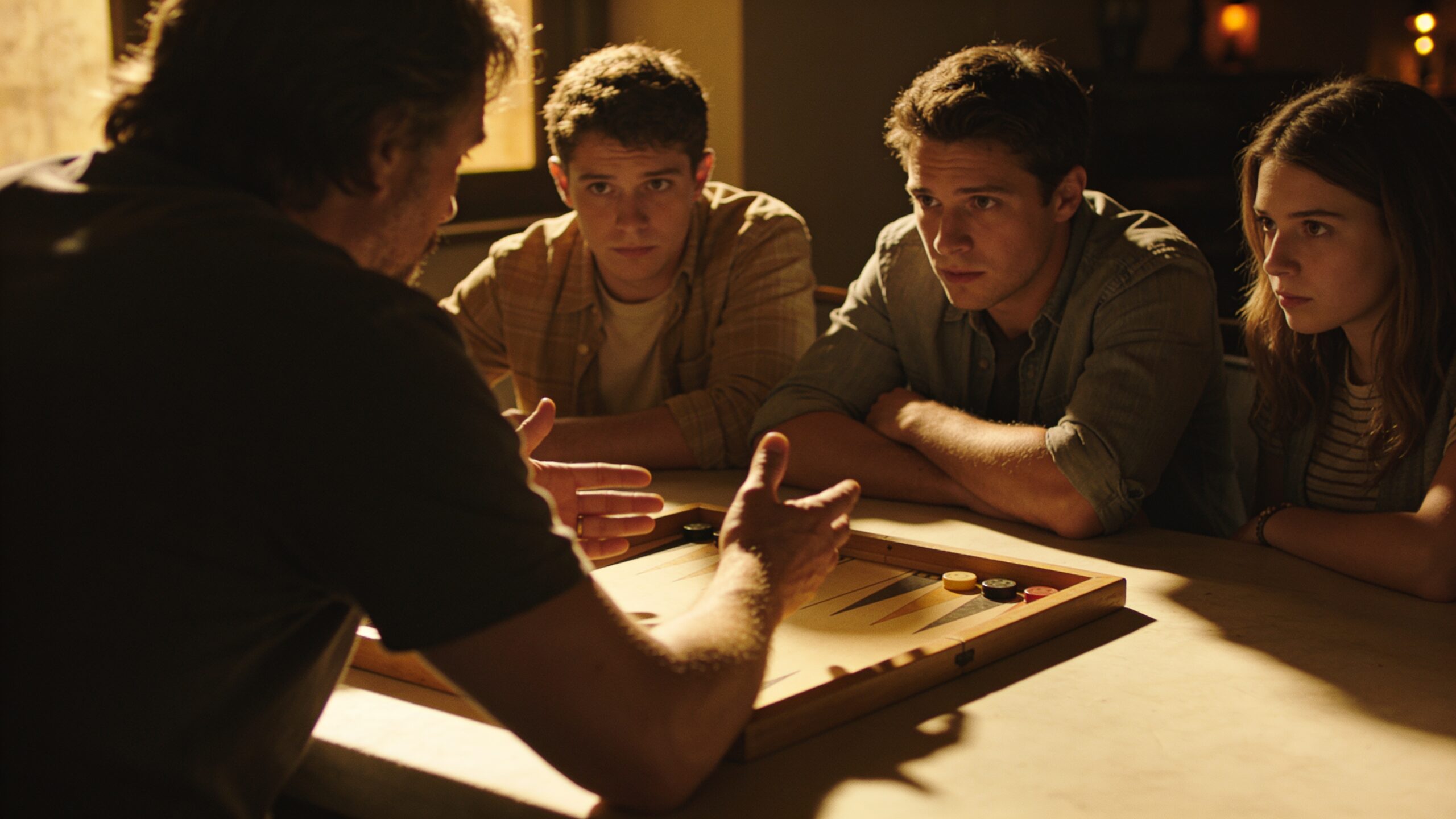
How to Host a Board Game Night: A Simple Guide for Beginners
As the evenings get darker and the holidays get closer, a board game night is one of the easiest ways to bring people together. You don’t need a big budget, a huge collection, or any experience. You need a table, a few people, and a plan that keeps everyone comfortable, including the person who has never played anything more complicated than a classic card game.

This guide covers how to plan the night, choose games that suit your guests, teach the rules without losing the room, and keep the habit going afterwards. It draws on advice from the American Library Association’s Programming Librarian site, a library-training article, and a hobby site, plus a few research reports that I’ll describe carefully. Most of this advice was written for libraries running public game nights, so I’ve scaled it for a home or a small group, and I’ve noted where I’ve done that.
Why a Game Night Is Worth Hosting
It’s about the host, not just the games
The Programming Librarian guide, published by the American Library Association in 2017, makes a point that applies at home too: a good game night needs a host who teaches, not just a table of games. Its author suggests the host greet newcomers, split people into small groups, and stay available for quick questions about the rules. A library training article from 2014 adds that game nights have social and emotional sides as well as a competitive one, and that the host’s job is to bring new players in, keep experienced players engaged, and make sure everyone has a good time.
What the research says, and what it doesn’t
You will often read that board games are good for your brain or your wellbeing. The honest picture is more limited.
- A news report on a systematic review of 15 studies, presented at a neurology congress, looked at older adults who played chess, Mah-jongg, or Go. It reported improvements in some thinking and quality-of-life scores. But the same report notes limits: outcomes varied, dropout rates were high, and some studies weren’t randomized, so it can’t show that games caused the improvement. One researcher quoted in it said skills tend to improve in the area you practice, not across the board. It was a news report on a conference talk, not the full published paper.
- A New Zealand university press piece says tabletop games may offer cognitive benefits and social connection, and may be especially valuable for people who feel isolated. But it cites no specific studies, and the survey it describes was still running and had no results yet.
A realistic expectation
Based on that, I wouldn’t promise any health benefit. What you can reasonably expect is an evening of conversation, laughter, and shared attention away from screens, and for some guests, a chance to meet people. That is reason enough.

Plan the Night
Know your guests first
The Programming Librarian guide suggests choosing your audience first, whether that’s families, adults, seniors, teens, or a mix, because that decides everything else. Ask yourself who is coming, how much they’ve played before, and what they will enjoy.
Keep the group a friendly size
The library training article suggests a group of about 8 to 12 people spread over three or four tables, which suits most spaces and experience levels. That works for a library or a club. At home, a group of four to eight people around one or two tables is easier, and that is my suggestion, not a rule from the sources.
Make the space easy to join
The Programming Librarian guide recommends open spaces over closed rooms, because open space draws walk-ins and makes it easy for people to leave if they lose interest. At home, this means giving each table enough room, good lighting, comfortable seating, and a spot where guests can chat or take a break without feeling they’re missing out.
Think about how long it will take
The library training article points out that teaching a game roughly doubles the time it takes, so it suggests choosing games that run 30 to 60 minutes. For a first night, that’s good advice. A long, complicated game with beginners can drag.
Say what kind of night it is
The same article advises setting clear expectations about whether the group is beginner-friendly, casual, or competitive. A short line in the invitation, such as “beginners welcome, no experience needed”, helps nervous guests say yes.
A sample plan for a three-hour evening
This is my own illustration, so adjust it:
- Arrival and snacks (20 minutes): Let people settle and chat.
- Light opener (30 minutes): Something familiar or quick to explain.
- Main game (60 to 75 minutes): The one you’ve prepared to teach.
- Break (10 minutes): Refills and stretching.
- Light closer (30 minutes): A short, funny game to end on a high.

Choose the Right Games
I won’t recommend specific products here, since I can’t test them and names go out of date. Instead, here are the types of game to look for.
Start with familiar classics
The library training article suggests starting with classics and mass-market games, then adding simple modern games, then teaching one new game at a time. Familiar games such as card games, checkers, or chess make guests feel at ease, and they cost little.
Look for easy-to-learn “gateway” games
Hobbyists often use the term “gateway game” for a game that is quick to learn but still interesting. Both library guides suggest featuring one such game per event. Good signs are simple turns, clear goals, and rules you can explain in a few minutes.
Use the age rating on the box as a guide
The Programming Librarian guide uses the age rating on the box as a rough guide. It treats 6+ as games children can often learn and play on their own, 8+ as games where children need an adult to teach and moderate, 10+ as generally for adult play, and 14+ as suited to adults with substantial gaming experience. These are one librarian’s rules of thumb, not an official standard, so treat them as a starting point.
Bring one main game and a simple backup
A hobby-site article suggests choosing one main game that takes about an hour, plus a shorter, simpler backup that needs little explanation. That gives you a plan B if the main game doesn’t suit the group. Choose games you can teach confidently from memory, with simple decisions and a little randomness, so that skill gaps don’t make losing feel discouraging.
Be careful with certain game types
The library training article suggests delaying games with player elimination or heavy negotiation, since being knocked out early or pushed into arguments can spoil the mood for beginners. The hobby-site article also advises against most cooperative games for beginners, because one experienced player can end up making all the decisions. That is one writer’s opinion, and some people enjoy cooperative games as a first step, so use your own judgment.
Remember the site’s angle
The hobby site I used says it uses affiliate links, so it earns money from purchases made through them. I’ve used only its general teaching advice, and I’d suggest you do the same.

Teach the Rules and Run the Evening
Learn the game before guests arrive
The library training article suggests reading the rules, watching a play demonstration, and setting the game up in advance. Nothing loses a table faster than a host searching through the rulebook. If you can, play a practice round alone or with one friend.
Keep the explanation short
The Programming Librarian guide suggests giving each new group a brief overview of roughly 5 to 10 minutes, then letting them start. A good order is: the goal of the game, what you do on your turn, how the game ends, and then begin. You can explain finer rules as they come up.
Don’t give strategy advice
The hobby-site article suggests explaining the rules clearly, answering questions, and offering options without making decisions for players, because strategy advice can feel controlling. Let people make their own mistakes. That is how they learn.
Moderate instead of playing, if you have many newcomers
The library training article points out that it’s hard to teach and play at once, so it suggests the host moderate when there are many new players. At home, you may be able to play, but keep an eye on anyone who looks lost or bored.
Shape the evening
The same article suggests a progression: a light opener, a few meatier games, and a light closer. That keeps the energy up and ends the night on a high.
Handle problems calmly
If someone becomes too competitive or disruptive, the library training article suggests a private, low-key conversation as a first step. Don’t call people out in front of the table. Also, keep an eye out for guests who drift away without anyone noticing, which the Programming Librarian guide lists as a common problem.
Let guests teach too
Both library guides suggest inviting regular players to teach, and the library training article suggests guests bring and teach their own games. This spreads the work and gives everyone a stake in the night.

Keep the Habit Going
Ask for feedback
The hobby-site article suggests asking participants for feedback, and, if a session goes badly, looking at the game choice and the explanation rather than blaming the group. A two-question message the next day, asking what people enjoyed and what they’d change, is enough.
Replay before adding new rules
The same article suggests replaying the same game with new players, instead of overwhelming them with more rules. The Programming Librarian guide recommends a similar pattern for a series: teach one new featured game each time, and keep earlier games available, so that returning players can teach newcomers.
Build a regular group
Over time, the library guide says, regular attendees often take on leadership, and the group can start to run itself. For a home group, that can mean taking turns hosting or choosing the game. A monthly night on the same weekday makes it easy to remember.
Make it welcome for different ages
The Programming Librarian guide notes that family-friendly games that work across ages help create an inclusive, mixed-age atmosphere. If children are coming, choose a game with a shorter playing time and set a point at which younger players can take a break.
A short checklist
- Decide who is coming, and what kind of night it is.
- Choose a group size and a space where guests can join and leave easily.
- Plan for games of 30 to 60 minutes.
- Pick one main game, a simple backup, and a light opener or closer.
- Learn the rules beforehand, and set up in advance.
- Explain in 5 to 10 minutes, then start.
- Don’t give strategy advice, and handle problems privately.
- Ask for feedback, and replay before adding new games.
- Hold it on a regular day.
A good game night doesn’t depend on the game. It depends on a host who makes everyone feel welcome. Pick a night, invite a few people, and start with something simple.