
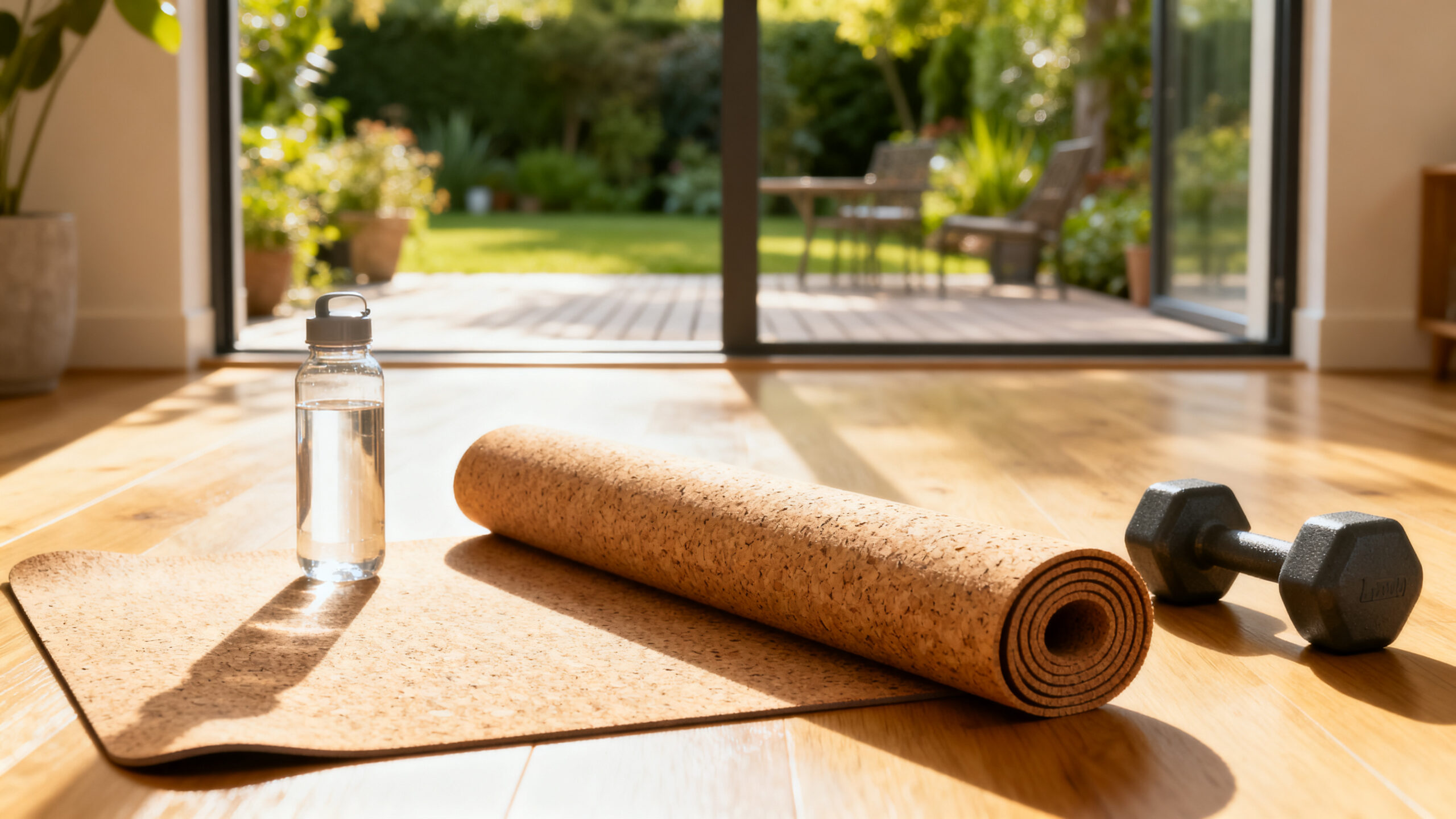
Functional Fitness Longevity Training: How Natural Movement Architecture and Joint Mobility Rebuild Lifelong Human Vitality
Functional fitness longevity training is changing the way modern society views physical wellness, transforming personal health from a superficial pursuit of beach muscles into a lifelong framework for pain-free living. For decades, traditional exercise routines followed a rigid, highly unnatural path, defined by heavy machine isolation exercises that locked joints in fixed tracks, repetitive high-impact pounding on concrete treadmills, and excessive vanity weightlifting that often led to chronic lower back issues and torn shoulders. Today, this outdated approach to working out faces strong pushback as health conscious individuals realize that maintaining true physical independence requires fluid movement, deep structural resilience, and natural joint care.
To build an engaging, permanent blueprint that benefits busy working professionals and aging adults across the United States and European nations, we must re-examine human movement mechanics from the ground up. This means looking way past basic bicep curls and diving deep into multi-planar hip mobility, active deep core stabilization, natural barefoot balance mechanics, and low-inflammation recovery routines that cut down daily muscle aches while expanding your functional lifespan. For health enthusiasts seeking a clear, highly practical guide to this body transition without getting bogged down by overly complex medical terminology, studying these core habits reveals the ultimate future of sustainable movement.
Multi-Planar Mobility and Joint Decompression Mechanics
Adopting a lifetime routine centered around functional fitness longevity training requires keeping your major joint sockets moving smoothly through their full natural ranges of motion. This section explores the daily mobility habits needed to prevent stiff hips and achy knees.
Controlled Articular Rotations and Synovial Fluid Stimulation
Practicing slow, deliberate joint circles for your neck, shoulders, hips, and ankles every single morning acts like a natural lubricant for your skeletal system. These circular micro-movements stimulate the immediate release of nourishing synovial fluid inside your cartilage linings, smoothing out stiff morning friction in seconds. Committing to this quick daily ritual protects your delicate cartilage pads from wearing down prematurely, ensuring your joints feel completely weightless during strenuous afternoon activities.
Three-Dimensional Hip Opening Patterns and Pelvic Alignment Restoration
Sitting in stiff office chairs for eight hours a day locks human hip flexors into a permanently tight, shortened position that pulls the lower spine out of line. Utilizing multi-directional lunging stretches and deep seated squat holds opens up tight pelvic muscles along all three physical planes of motion. Opening these tight pathways removes structural pressure from your lower back instantly, allowing your hips to swing freely during normal outdoor walks.
Thoracic Spine Extension Decompression and Postural Architecture Corrections
Leaning forward over computer keyboards and smartphone screens collapses the mid-back into an unhealthy, rounded posture that cuts down lung capacity and strains neck muscles. Using targeted foam roller extensions and gentle rotational chest twists helps restore natural flexibility to your thoracic spine segments. Opening up your ribcage region allows your shoulders to drop back into a relaxed posture, instantly curing chronic upper body tension patterns.
Dynamic Ankle Dorsiflexion Progressions and Squat Depth Enhancements
Poor ankle flexibility is a hidden, highly destructive problem that alters how your knees and lower back bend during standard daily movements. Practicing simple wall-facing ankle tilts and weighted calf extensions trains your lower leg tendons to bend deeply without lifting your heels. Improving this specific lower leg range of motion stabilizes your entire balance base, making deep bending movements smooth and safe.
Deep Core Stabilization Ecosystems and Spine Protection Habits
The lasting success of a functional fitness longevity training lifestyle depends heavily on building a resilient internal muscular corset that shields your lower back from unexpected twists and sudden impacts. This segment details elite core habits.
Anti-Rotational Core Bracing Protocols and Transverse Abdominis Engagement
Traditional sit-ups and standard stomach crunches place unnecessary, highly repetitive crushing forces on your lower lumbar discs while failing to train true core stability. Shifting your focus to anti-rotational hold movements—like static planks, side holds, and cable press outs—forces your deepest abdominal wall to brace tightly against unwanted twisting forces. This bracing skill builds an invisible muscular shield around your spine, preventing common lower back strains during yard work.
Posterior Chain Activation Habits and Gluteal Muscle Re-Education
Spending long hours resting on your glute muscles causes them to fall asleep, a common physiological issue known as glute amnesia that forces your lower back to do all the heavy lifting. Integrating simple bodyweight glute bridges and single-leg hip hinges re-awakens these sleeping muscles, turning them back into your body’s main power source. Strong glutes absorb the heavy impact forces of walking, saving your knees from daily wear.
Diaphragmatic Breathing Patterns and Intra-Abdominal Pressure Management
Learning to draw air deep down into your belly rather than shallowly into your upper chest is a game-changing skill for structural core safety. This deep belly breathing creates stable internal pressure inside your midsection, acting like an inflated airbag that supports your spine from the inside out. Mastering this natural breathing technique lowers your heart rate instantly, helping you stay completely calm during stressful work days.
Multi-Directional Loaded Carries and Functional Grip Strength Endowments
Picking up a pair of heavy kettlebells and walking slowly across the room with a perfectly straight spine is an incredible full-body core exercise. These functional loaded carries force your side core muscles to work hard to keep you upright, while building exceptional, long-lasting hand grip strength. Developing a powerful grip is linked directly to long-term heart health, making this simple carry drill a vital longevity habit.
Natural Movement Alignment Mastery and Barefoot Balance Foundations
Integrating functional fitness longevity training into your week means re-connecting your brain to your feet, establishing a solid physical foundation that prevents dangerous falls as the years pass. This section breaks down balance mechanics.
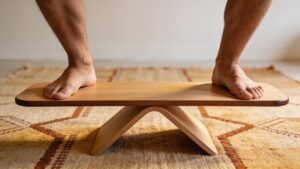
Proprioceptive Foot Awakening Drills and Barefoot Ground Sensing Basics
Squeezing your feet into stiff, heavily cushioned modern shoes cuts off vital sensory nerves on the bottoms of your soles, weakening your brain’s natural balance awareness. Spending short periods walking barefoot across natural textures—like smooth grass, beach sand, or textured mats—wakes up these sleeping nerve networks instantly. This simple foot awakening improves your spatial awareness, allowing your body to adjust to uneven walkways without stumbling.
Single-Leg Stability Foundations and Vestibular System Coordination
Maintaining perfect balance on a single leg for sixty seconds requires your eyes, inner ear balance systems, and deep foot stabilizers to work together flawlessly. Practicing single-leg balance holds while slowly looking from side to side trains your brain to maintain body control during sudden real-world distractions. Strengthening this single-leg coordination baseline protects your hips from sudden falls, keeping you agile on slippery winter streets.
Primitive Crawling Progressions and Contralateral Brain-Body Links
Getting down on all fours to practice slow, controlled bear crawls re-connects your brain’s left and right sides through natural opposite-side movement patterns. Moving your right hand forward at the exact same time as your left foot requires deep concentration and total full-body muscular control. This primitive movement drill builds exceptional shoulder strength while sharpening coordination skills, keeping your nervous system youthful and responsive.
Functional Deceleration Mechanics and Joint-Safe Impact Absorption
Learning how to land softly from a small jump or stop suddenly during a quick walk is far more critical for joint longevity than learning how to jump high. Proper deceleration mechanics train your large thigh and glute muscles to catch your body weight smoothly, absorbing harmful shock waves before they hit your knee cartilage. Mastering this soft landing style safeguards your joints from sudden impact tears during everyday sports.
Low-Inflammation Recovery Pipelines and Nervous System Down-Regulation
The final structural layer of a healthy functional fitness longevity training lifestyle involves mastering the art of deep physical rest, allowing your muscle tissues to rebuild stronger without building up chronic inflammation. This segment covers recovery science.

Parasympathetic System Activation and Slow-Paced Vagus Nerve Soothing
Ending intense movement sessions with five minutes of quiet, slow-paced box breathing tells your brain that the physical stress has safely ended. This simple breathing practice shifts your nervous system out of an anxious fight-or-flight state and straight into a peaceful rest-and-digest mode. Calming your vagus nerve lowers stress hormone levels quickly, clearing out cellular inflammation while helping your body repair muscle tissues efficiently.
Circadian Sleep Syncing Habits and Muscle Tissue Repair Optimizations
Securing eight hours of deep, uninterrupted sleep every night is the absolute foundation of natural tissue rebuilding and hormone balance. Turning off bright blue-screen electronics sixty minutes before bed allows your brain to release melatonin naturally, paving the way for deep delta-wave sleep cycles. This deep sleep window is when your body releases natural growth factors to heal micro-tears, ensuring you wake up completely pain-free.
Hydration Biomarker Balancing and Cellular Waste Elimination Protocols
Drinking pure, clean water blended with essential trace minerals—like magnesium, sodium, and potassium—keeps your deep muscle tissues pliable and perfectly hydrated. Proper cellular hydration flushes metabolic waste out of your muscle tissues quickly, preventing painful cramps and post-exercise soreness from setting in the next day. Keeping your cells well-hydrated lubricates your internal fascial webs, allowing your muscles to slide over each other smoothly.
Active Rest Day Walking Routines and Low-Impact Lymphatic Drainage
Placing a complete stop on high-intensity workouts twice a week in favor of easy, low-impact neighborhood walking keeps your blood moving without adding physical stress. These gentle, relaxed outdoor walks trigger your lymphatic system to drain away built-up cellular waste products from your sore muscles naturally. This active approach to rest speeds up your full physical recovery, leaving you feeling energized and excited for your next movement session.
Frequently Asked Questions (FAQ)
Can beginners safely start functional fitness longevity training if they have existing lower back aches?
Yes, absolutely. This gentle approach to body movement is specifically designed to heal chronic lower back aches by addressing the actual root causes of the problem, such as tight hips and sleeping glute muscles. Beginners start with simple, zero-impact core bracing holds and gentle joint rotations, slowly rebuilding their structural support system before ever adding heavy workout weights.
Why is hand grip strength considered such a vital marker for long-term human lifespan?
Medical research consistently shows that a powerful, firm hand grip is a highly accurate reflection of an individual’s overall muscle mass and cardiovascular health. Performing simple everyday habits like loaded kettlebell carries builds excellent forearm strength while strengthening your heart walls, making it a reliable and easy-to-track indicator of overall body vitality as the years pass.
How often should I practice barefoot balance drills to notice real-world stability improvements?
Spending just five to ten minutes walking barefoot on natural surfaces or practicing simple single-leg balance holds three times a week yields massive real-world improvements within a month. This consistent, bite-sized practice keeps your foot’s sensory nerve networks sharp, training your brain to catch your body weight automatically on uneven outdoor paths.
What is the main problem with using standard gym weight machines for long-term health?
Standard gym weight machines lock your body into rigid, unnatural straight lines that force single muscles to work completely isolated from the rest of your frame. This artificial style of lifting skips out on training your vital smaller stabilizer muscles and natural joint tracking paths, often creating imbalanced bodies that remain highly prone to sudden real-world injuries.
Final Conclusion: The Lasting Peace of a Fully Resilient Body
Committing to a well-rounded routine of functional fitness longevity training opens up an incredibly rewarding pathway that permanently changes how your body moves, ages, and thrives over a lifetime. The old era of pushing through agonizing joint pain on stiff gym machines, ignoring chronic lower back stiffness, and ending workouts feeling completely broken is officially over. It is being replaced by a mindful, natural movement framework built around daily joint rotations, active core bracing, barefoot ground stability, and peaceful nervous system recovery habits that honor your body’s true design. By dedicating your weekly routine to balanced hip mobility, functional loaded carries, and optimal sleep hygiene, you easily protect your skeletal frame from everyday wear and tear while avoiding expensive physical therapy bills down the road. As modern lifestyle communities across the United States and European nations continue to raise their personal wellness standards, the individuals who enjoy the highest quality of life will be those who construct their daily exercise habits on natural, sustainable movement foundations.