
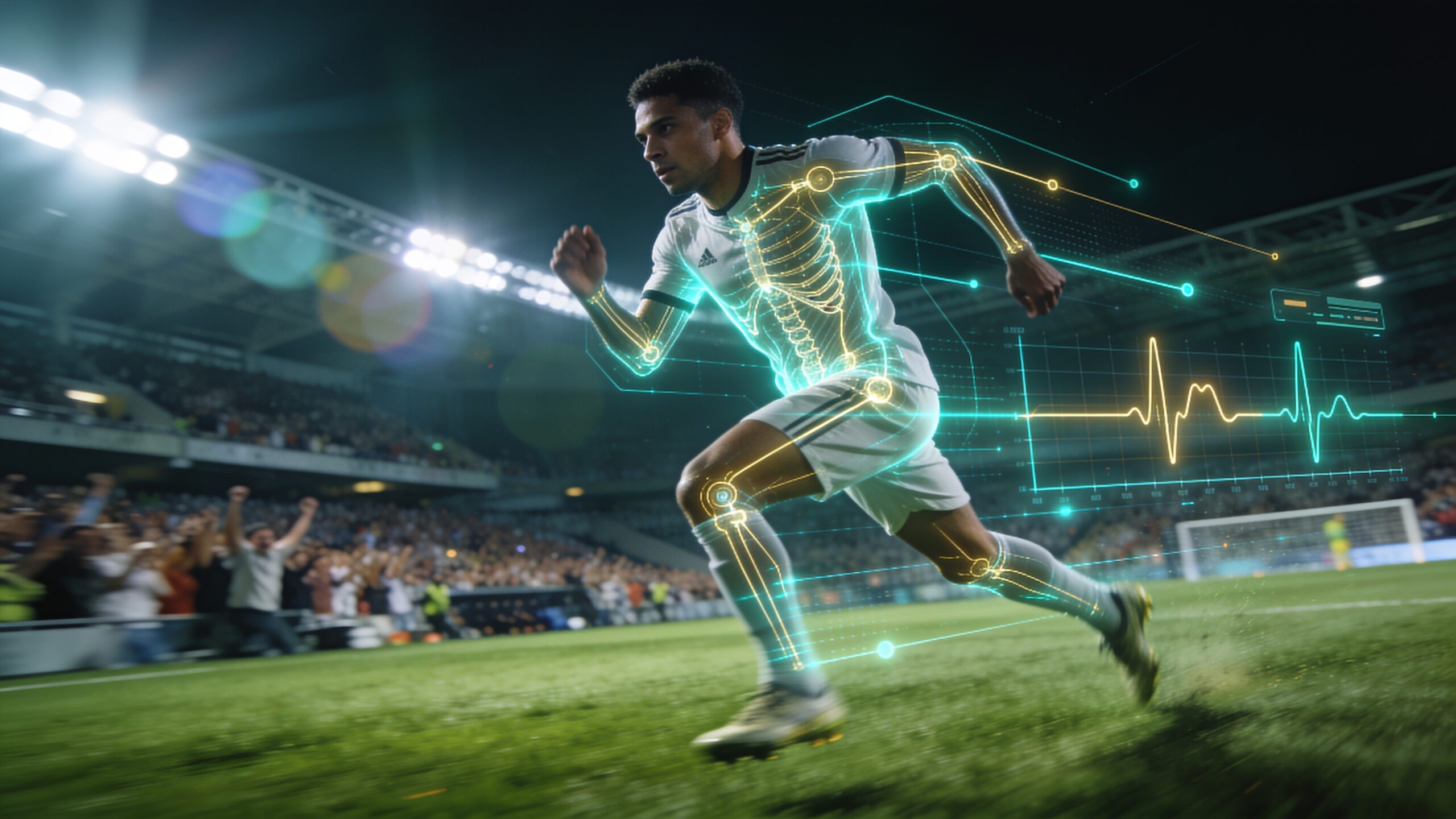
AI Sports Analytics and Biometric Performance Tracking: 2026
AI sports analytics and biometric performance tracking systems represent the most revolutionary transformation in professional and amateur athletics across the United States and European nations. Rather than relying solely on subjective coaching instincts or basic post-game box scores, modern sports organizations utilize real-time computer vision, wearable inertial measurement units, and predictive machine learning models. This continuous stream of physiological and tactical data optimizes player conditioning, refines game strategy, and drastically reduces career-threatening physical injuries.
Understanding how multi-frequency biometric sensors, optical movement tracking, real-time workload algorithms, and automated tactical analytics interact is essential for professional coaches, sports scientists, and athletic directors. By merging advanced hardware telemetry with deep neural networks, teams can quantify micro-fatigue long before visible performance drops occur. This comprehensive guide explores the core hardware, algorithmic frameworks, recovery protocols, and ethical standards driving the modern athletic performance revolution.
Hardware Telemetry in AI Sports Analytics and Biometric Performance Tracking
Deploying high-precision physical telemetry hardware forms the critical data collection layer in AI sports analytics and biometric performance tracking frameworks. This section details wearable inertial measurement units, multi-spectral optical camera arrays, micro-fluidic sweat sensors, and smart garment sensor integration.
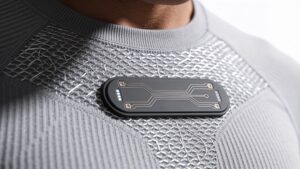
Inertial Measurement Units and High-Frequency Motion Tracking
Equipping athletes with chest-mounted or waistband-integrated Inertial Measurement Units (IMUs) captures tri-axial acceleration, angular velocity, and rotational forces up to two hundred times per second. These miniaturized sensors quantify sudden deceleration spikes, jumping impact forces, and rapid change-of-direction movements during intense competition. Processing high-frequency motion data allows sports scientists to measure mechanical workload distribution accurately across every joint and muscle group.
Multi-Camera Optical Tracking Systems and Computer Vision
Installing arena-wide optical camera arrays captures three-dimensional positional tracking across every player on the field at high frame rates. Computer vision algorithms extract skeletal joint coordinates automatically without requiring physical body tags, converting raw video feeds into continuous spatial coordinates. This non-invasive optical capture provides real-time distance coverage, sprint velocity heatmaps, and spatial positioning metrics across complex tactical team formations.
Micro-Fluidic Sweat Patch Sensors and Electrolyte Monitoring
Applying single-use micro-fluidic skin patches enables continuous, non-invasive measurement of sweat rate, sodium concentration, and lactate levels during match play. Internal micro-channels direct sweat across enzymatic sensors, transmitting real-time hydration telemetry wirelessly to benchside tablet displays. Tracking physiological electrolyte depletion empowers athletic trainers to deliver custom rehydration strategies before muscle cramping and severe metabolic dehydration degrade performance.
Smart Garment Textiles and Surface Electromyography Integration
Weaving conductive silver-coated fibers directly into athletic compression garments enables full-body surface electromyography (sEMG) monitoring. These smart textiles capture electrical muscle activation firing patterns across quadriceps, hamstrings, and gluteal muscles simultaneously. Analyzing muscle recruitment balance highlights underlying neuromuscular compensation patterns during fatiguing movement routines, helping strength coaches modify biomechanical lifting protocols.
Predictive Algorithms in AI Sports Analytics and Biometric Performance Tracking
Converting raw sensor telemetry into actionable tactical intelligence represents the core software engine in AI sports analytics and biometric performance tracking architectures. This segment covers workload strain modeling, machine learning injury prediction, automated tactical opponent analysis, and real-time fatigue detection.

Chronic-to-Acute Workload Ratio Algorithms and Strain Optimization
Calculating the Chronic-to-Acute Workload Ratio (ACWR) using rolling machine learning windows balances short-term training fatigue against long-term physical conditioning. Algorithms track daily GPS distance, heart rate exertion, and accelerometric impact loads over twenty-eight-day training cycles. Maintaining ACWR values within optimal physiological ranges prevents sudden spikes in training volume, minimizing the risk of soft-tissue strains and chronic overtraining syndromes.
Machine Learning Soft-Tissue Injury Risk Prediction Models
Training deep neural networks on historical biomechanical strain data, pitch counts, and sleep telemetry generates dynamic daily injury risk scores. Predictive models flag subtle changes in stride symmetry, foot contact duration, and heart rate variability that precede muscle tears. Flagging high-risk athletes automatically enables medical staff to substitute players, modify practice loads, or initiate prophylactic physical therapy intervention.
Automated Computer Vision Opponent Scouting and Tactical Embeddings
Processing opponent match film through deep learning spatial embeddings categorizes team defensive alignments, pressing triggers, and set-piece patterns automatically. Algorithms map expected goal probability vectors and passing lanes across thousands of recorded matches in seconds. Automating tactical film study allows coaching staffs to identify structural defensive vulnerabilities and tailor offensive game plans with unmatched speed and precision.
Real-Time Micro-Fatigue Detection During Live Match Play
Fusing live wearable accelerometer data with optical movement tracking allows AI models to detect micro-fatigue indicators mid-game. The software flags subtle drops in maximum sprint acceleration, lengthened ground contact times, or delayed tactical recovery positioning. Supplying bench coaches with live fatigue alerts guides timely player substitutions, preserving team tactical intensity during late-game high-pressure scenarios.
—
Recovery Protocols in AI Sports Analytics and Biometric Performance Tracking
Personalizing athlete recovery strategies forms the essential restorative pillar in AI sports analytics and biometric performance tracking ecosystems. This section details autonomous heart rate variability analysis, sleep architecture tracking, targeted active recovery scheduling, and cryotherapy telemetry.
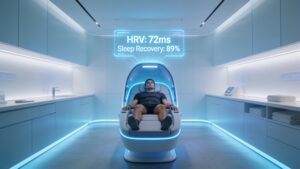
Heart Rate Variability Analysis and Autonomic Nervous System Readiness
Measuring overnight Heart Rate Variability (HRV) through high-precision optical wristbands or smart rings quantifies parasympathetic recovery states. Advanced signal algorithms analyze beat-to-beat interval changes to score autonomic nervous system readiness every morning. Low HRV scores alert strength coaches to reduce high-intensity lifting protocols, substituting low-impact active recovery sessions to protect overall physiological wellness.
Sleep Architecture Quantification and Circadian Rhythm Optimization
Tracking slow-wave deep sleep cycles and rapid eye movement (REM) phases through wearable temperature and motion sensors optimizes restorative sleep quality. AI sleep coaches evaluate ambient bedroom temperature, bedtime consistency, and travel jet lag metrics. Tailoring sleep optimization protocols accelerates muscle tissue repair, enhances cognitive reaction times, and maintains peak hormonal balance throughout grueling competitive travel seasons.
Algorithmic Active Recovery Scheduling and Metabolic Flushing
Generating personalized active recovery workouts based on daily neuromuscular fatigue metrics accelerates systemic lactate clearance and muscle soreness resolution. Software platforms prescribe specific low-intensity cycling cadences, mobility routines, and hydrotherapy durations matched to individual physiological needs. Tailored recovery scheduling prevents stagnant stiffness, ensuring athletes regain peak power production capacity before their next competition.
Biometric Hydrotherapy Telemetry and Cryotherapy Optimization
Monitoring body core temperature responses during contrast water therapy and localized cold-water immersion optimizes cryotherapy exposure times. Wearable thermal sensors transmit real-time skin and peripheral vascular temperature drops during recovery sessions. Regulating immersion durations based on objective biological feedback maximizes anti-inflammatory vasoconstriction benefits while preventing unnecessary tissue exposure or shivering stress.
Ethics & Governance in AI Sports Analytics and Biometric Performance Tracking
Establishing strict ethical boundaries secures the long-term integrity of AI sports analytics and biometric performance tracking implementations. This segment covers athlete biometric data ownership, labor union contract negotiations, automated roster bias mitigation, and cyber security safeguards.

Sovereign Athlete Biometric Data Ownership and Privacy Rights
Enforcing clear biometric data ownership frameworks guarantees that athletes maintain legal rights over their personal physiological data streams. Modern privacy laws classify wearable heart rate, sleep, and muscle telemetry as highly sensitive medical identifiers. Restricting team management from selling biometric profiles to third-party betting operators or insurance providers protects player sovereignty and prevents commercial data exploitation.
Collective Bargaining Agreements and Roster Selection Limits
Negotiating collective bargaining agreements between player unions and sports leagues establishes clear boundaries on how wearable telemetry can be used. Contracts prohibit franchises from utilizing off-field sleep tracking or resting heart rate metrics during contract negotiations or salary arbitrations. Clear regulatory frameworks ensure performance technology remains a supportive tool for athlete health rather than a punitive surveillance measure.
Algorithmic Bias Mitigation in Automated Scouting and Draft Evaluation
Auditing machine learning scouting algorithms prevents systemic biases against athletes from underrepresented geographical regions or non-traditional developmental pathways. AI models evaluate objective physical speed, spatial awareness, and tactical efficiency without bias toward body type or player reputation. Eliminating human scouting bias expands talent pipelines, surfacing elite athletic prospects who might otherwise be overlooked by conventional recruiting networks.
Enterprise Cybersecurity Protocols for Confidential Tactical Telemetry
Implementing end-to-end encryption across wearable sensor signals, cloud databases, and coaching tablet apps prevents rival team espionage and data breaches. Multi-factor authentication locks secure server access, safeguarding sensitive injury forecasts and tactical game plans. Protecting enterprise sports data infrastructure preserves competitive integrity, ensuring confidential team analytics remain secure against cyber threats.
Frequently Asked Questions (FAQ)
What defines the core advantage of AI sports analytics and biometric performance tracking?
The primary advantage lies in replacing subjective guesswork with objective, real-time data. Fusing wearable sensor telemetry with machine learning enables coaches to optimize workload strain, predict soft-tissue injury risks, and refine tactical game plans.
How do non-invasive computer vision systems track player movement on the field?
Multi-camera arrays installed around stadium rafters capture video at high frame rates. Computer vision algorithms process skeletal joint coordinates automatically, generating continuous positional data without requiring physical tags.
Can wearable biometric sensors prevent athletic injuries entirely?
While no system can prevent accidental impact injuries, predictive algorithms analyze stride asymmetry, foot contact duration, and micro-fatigue to flag elevated soft-tissue strain risks. This allows medical staff to modify training loads before tears occur.
How are athlete privacy rights protected under wearable sports technology?
Privacy regulations and collective bargaining agreements classify biometric data as protected health information. League guidelines restrict teams from using off-field wearable metrics in contract negotiations or sharing data with unauthorized third parties.
Final Conclusion
Mastering AI sports analytics and biometric performance tracking is imperative for modern sports organizations seeking sustained competitive advantages and long-term athletic health. By integrating high-frequency IMU wearable hardware, computer vision optical tracking, automated workload algorithms, and objective HRV recovery metrics, athletic programs construct an intelligent, data-driven ecosystem. These technical innovations elevate physical performance, streamline tactical preparation, and safeguard athletes against chronic fatigue and preventable physical injuries.
As wearable sensor technology and deep learning algorithms advance across North America and Europe, maintaining strict ethical data privacy frameworks remains crucial. Guaranteeing athlete biometric ownership and protecting confidential performance databases ensures technology continues to empower players and coaches ethically. Embracing these predictive tools today enables sports leaders to push boundaries, optimize human potential, and redefine victory on the modern athletic stage.

1 thought on “AI Sports Analytics and Biometric Performance Tracking 2026”