
Sustainable Event Management Practices: How Green Logistics and Conscious Design Are Reshaping Large Public Gatherings
Sustainable event management practices are sweeping across the international hospitality landscape, shifting quickly from a minor corporate trend into a foundational blueprint for running large public gatherings. For decades, organizing a massive conference, music festival, or business expo followed a highly wasteful path, defined by towering piles of single-use plastic cups, thousands of discarded vinyl banners, and enormous diesel generators that spewed black exhaust into the sky for days. Today, this old way of hosting groups faces intense pushback as communities realize that welcoming thousands of guests requires clean logistics, mindful supply chains, and smart waste planning.

To build an engaging, long-term framework that benefits planning professionals and venue owners across the United States and European nations, we must re-examine crowd logistics from the ground up. This means looking past simple token gestures like small recycling bins and diving deep into digital check-in ecosystems, compostable catering pipelines, and local material networks that cut down emissions while creating a safer guest experience. For venue coordinators looking for a practical guide to this eco-conscious transition without getting lost in confusing environmental terminology, studying these core pillars reveals the exciting future of modern crowd production.
Digital Infrastructure and Paperless Guest Management
Transitioning to comprehensive sustainable event management practices relies heavily on cutting out physical paper waste at your main entrance gates. This initial section covers the digital tools and tech networks required to coordinate thousands of incoming attendees smoothly.

Mobile Application Ecosystems and Digital Ticket Verification
Deploying a dedicated event mobile application eliminates the need to print thousands of paper admission tickets, itinerary brochures, and venue map booklets. Attendees navigate the entire convention schedule, receive real-time speaker updates, and network with other guests using interactive digital dashboards right on their smartphones. This software integration slashes municipal printing costs completely while speeding up entry lines, providing arriving crowds with a modern, hassle-free registration experience.
Smart Near-Field Communication Badges and Reclaimed Wood Materials
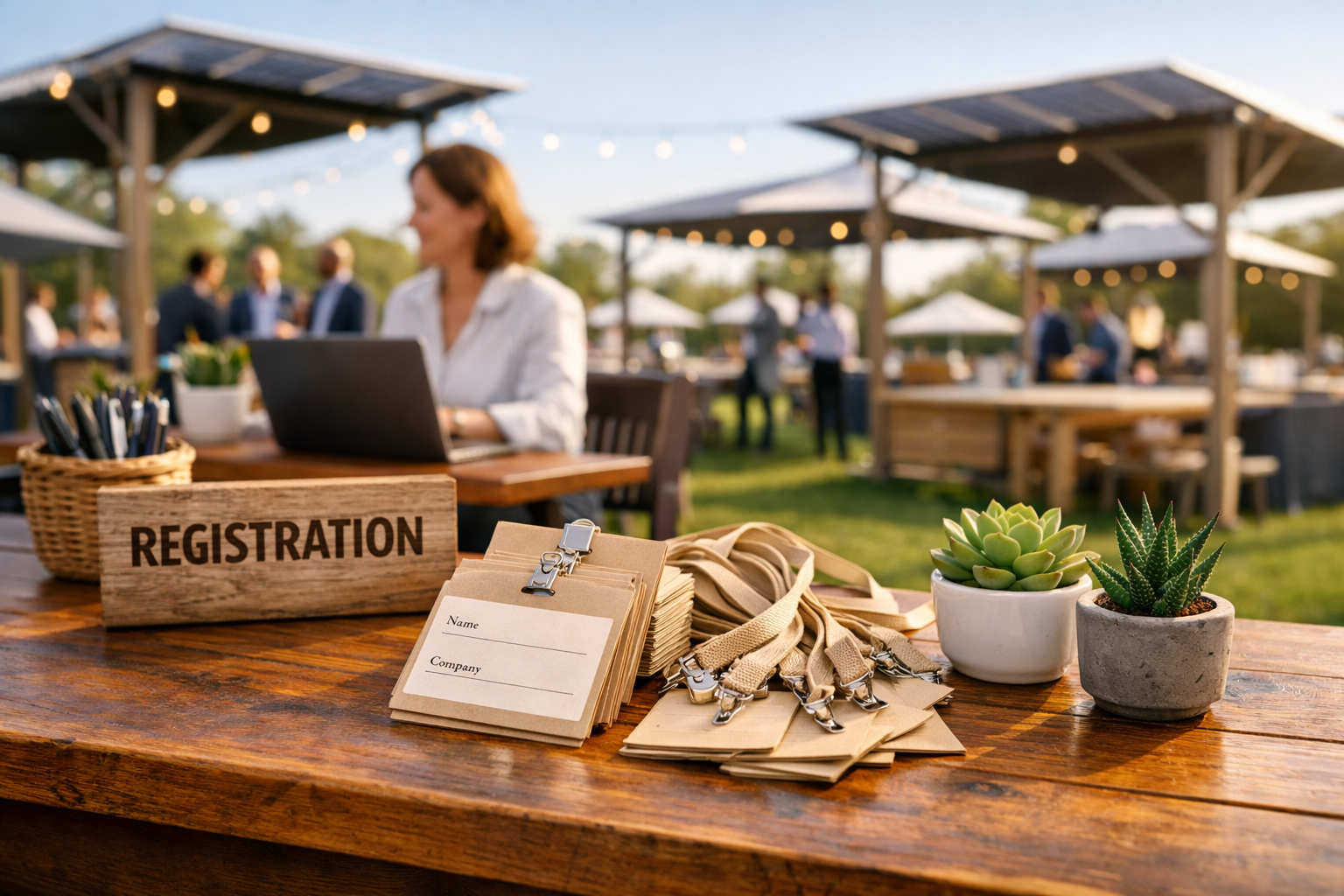
Choosing wearable check-in badges crafted from sustainably sourced bamboo or compressed reclaimed wood offers an eco-friendly alternative to traditional plastic badge sleeves. These smart passes carry embedded near-field communication microchips, allowing guests to swap contact information with exhibitors by tapping their badges against digital sensor docks. This high-tech alternative completely stops plastic trash build-up at the end of business expos while keeping attendee data safe.
Automated Cloud-Based Lead Retrieval and Exhibitor Data Pools
Shifting corporate trade shows away from printed business cards toward centralized cloud-based lead gathering software streamlines the entire marketing pipeline for visiting businesses. Exhibitors use their phone cameras to scan attendee badges instantly, collecting contact records into organized digital spreadsheets stored securely on cloud servers. This automated recording process removes human sorting errors during post-event follow-ups, saving hundreds of office work hours for marketing teams.
Virtual Event Streaming Integration and Hybrid Attendee Frameworks
Integrating high-definition virtual streaming rooms into your live gathering framework allows hundreds of international guests to attend presentations without boarding long-distance flights. This hybrid connectivity options cut down down overall transport carbon footprints drastically, since overseas audiences can watch keynote speakers from their home offices. Expanding your physical floor plan into the digital world multiplies ticket sales safely, without overwhelming your physical venue resources.
Low-Impact Catering Infrastructure and Circular Waste Networks
The rapid growth of sustainable event management practices depends heavily on overhauling how food and beverages are managed inside concession areas. This section analyzes how to run clean, zero-waste dining halls.

Plant-Based Menu Architecture and Local Ingredient Sourcing
Structuring your food concession choices around locally grown, organic ingredients drastically reduces the transportation miles required to stock your venue kitchen lines. Culinary teams collaborate directly with nearby farms to source seasonal vegetables, reducing heavy shipping truck dependencies while ensuring guests eat fresh, nutritious food. Prioritizing delicious plant-based food configurations lowers water consumption rates across production lines, providing an inviting dining experience that appeals to health-conscious crowds.
Certified Fully Compostable Dinnerware and Cornstarch Bioplastics
Replacing standard plastic single-use forks, spoons, and dinner plates with certified fully compostable items crafted from plant-fiber husks prevents permanent landfill waste accumulation. These durable plates and cornstarch drinking cups look and feel exactly like traditional party plastics, yet they break down into nutrient-rich farming soil within a few months. Using these natural alternatives streamlines venue cleaning routines, since kitchen staff can discard food scraps and dinnerware together.
Multi-Stream Sorting Stations and Color-Coded Recycling Hubs
Placing highly visible, color-coded waste sorting kiosks next to every major seating lounge helps guests separate trash accurately into independent streams. Clear visual graphics depict exactly where to discard food scraps, aluminum beverage cans, and clean paper cardboards, eliminating user sorting confusion immediately. This simple floor plan update prevents clean recyclables from being ruined by stray food liquids, boosting your venue’s ultimate waste diversion metrics.
Food Redistribution Programs and Centralized Composting Networks
Partnering with local food banks ensures that untouched catering meals are packaged safely and distributed to nearby community shelters right after evening sessions close. Any leftover kitchen scraps are sent straight to industrial composting centers, turning organic food waste into rich soil conditioners for neighborhood parks. This circular disposal network stops food rot inside public garbage dumps, cutting down harmful greenhouse gas emissions significantly.
Renewable Energy Systems and Carbon-Neutral Venue Operations
Achieving true balance under modern sustainable event management practices means shifting your main electrical supply away from noisy fossil-fuel power sources. This segment details how venues tap into clean energy grids.
Hybrid Battery Power Generators and Solar Charging Canopies
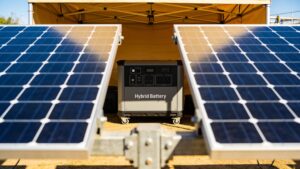
Replacing old, smoky diesel generators with quiet hybrid lithium battery packs provides outdoor festivals with a clean source of electrical energy. Technicians charge these heavy-duty power blocks using portable solar panels during daylight hours, storing ample electricity to run stage lights and sound amplifiers all through the night. This smart power shift completely removes toxic exhaust fumes from the venue footprint, protecting crew and guest health.
High-Efficiency LED Stage Lighting Panels and Dimming Automation
Equipping theatrical lighting rigs with cutting-edge LED fixtures cuts down the overall electricity consumption of stage productions by greater than 75 percent. These modern performance spotlights generate brilliant, saturated color washes across speaker stages without emitting the intense, uncomfortable heat typical of older halogen bulbs. Using these automated dimming configurations keeps indoor presentation rooms cool, significantly lowering the power required by building air conditioning systems.
Carbon Offset Investment Portfolios and Flight Mitigation Metrics
Offering ticket buyers an easy way to calculate and offset the carbon emissions of their travel flights during online check-out builds shared environmental accountability. Ticket systems pool these micro-donations together, funding verified regional wind farm installations, forest restoration drives, and community clean-water projects directly. This mathematical balance tracking provides corporations with a transparent path toward hosting neutral gatherings, satisfying strict corporate responsibility guidelines.
Public Transit Partnership Bundles and Subsidized Shuttle Routes
Coordinating with municipal train networks to provide free or discounted public transit passes with every event entry ticket encourages attendees to leave personal vehicles at home. Venues run fleets of electric shuttle buses connecting downtown train terminals directly to convention center front doors, easing traffic bottlenecks on surrounding city streets. This smart transit arrangement shrinks parking space demands, keeping neighborhood air clean and pedestrian traffic safe.
Conscious Material Sourcing and Circular Exhibition Booth Design
The final structural layer of a modern sustainable event management practices blueprint involves transforming how temporary display booths are built and discarded. This segment explores modular architectural components for event floors.

Modular Interlocking Display Panels and Recyclable Aluminum Framing
Ordering modular display booths built with interlocking birch wood frames and sturdy, recyclable aluminum joints allows exhibition crews to reuse core structures for decades. These versatile, bolt-free wall kits are reconfigured into different sizes for varying floor spaces, saving businesses from building expensive custom displays that get trashed after a three-day show. This smart construction method minimizes wood cutting on the show floor, keeping setup noise down.
Non-Toxic Water-Based Fabric Dyes and Unbleached Cotton Banners
Swapping out standard chemical-heavy PVC vinyl advertising banners for organic, unbleached cotton backdrops colored with water-based inks prevents toxic chemical runoff during manufacturing. These soft canvas fabrics drape elegantly across speaker stages and trade show booths, providing a premium, non-reflective matte appearance that looks stunning on video broadcasts. At the end of the season, these natural textiles are shredded down into insulation materials, avoiding landfill disposal.
Modular LED Signage Displays and Dynamic Schedule Boards
Replacing single-use foam display boards with reusable, high-definition digital signage blocks lets operators update directional text and room numbers in seconds. A single wall screen displays different corporate sponsor logos throughout the day, maximizing ad revenue without wasting money on single-use plastic signs. This electronic display network modernizes the convention floor aesthetic, giving halls a high-end, responsive feel that impresses corporate sponsors.
Recycled Plastic Floor Carpeting and Reusable Modular Tiles
Lining expansive trade show walkways with heavy-duty carpet tiles spun from recycled plastic fishing nets protects venue floors while cleaning up ocean waste. These modular carpet squares are removed individually for deep cleaning if spills happen, avoiding the old practice of throwing out an entire hall carpet after a minor stain. This modular flooring investment provides a comfortable, cushioned path for walking guests while supporting international marine conservation efforts.
Frequently Asked Questions (FAQ)
Do sustainable event management practices increase the total upfront cost of planning a conference?
While tracking down certified compostable plates and hiring solar battery systems might carry slightly higher initial costs, these eco-friendly choices regularly generate major savings over the course of the event. Transitioning to 100 percent paperless ticketing loops and digital display boards eliminates massive print shop bills, while smart multi-stream recycling programs lower municipal dumpster collection fees significantly.
Are cornstarch bioplastic drinking cups safe to mix in with standard plastic recycling bins?
No, cornstarch bioplastics should never be tossed into standard plastic recycling bins because they have a different chemical makeup that can ruin batches of traditional melted plastics. These specialized plant-based materials must be routed to industrial composting facilities, where controlled moisture and heat break them down into rich farming soil safely within 90 days.
How do virtual hybrid streaming rooms help lower the carbon footprint of an event?
Allowing long-distance attendees to watch speaker sessions digitally from their home offices prevents a massive amount of airplane and car emissions from entering the atmosphere. This virtual option allows event planners to grow their ticket sales across the globe without needing to rent larger physical rooms or consume extra energy.
Can a heavy-duty outdoor rock concert stage safely run on solar battery generators?
Yes, modern high-capacity lithium battery systems are highly capable of powering heavy-duty concert audio amplifiers and complex stage lighting grids for hours. Production crews link these mobile power stations to solar panels during daylight hours, storing plenty of clean electricity to run high-voltage evening entertainment without any engine noise or smelly exhaust.
Final Conclusion: The Lasting Value of Conscious Event Architecture
Adopting verified sustainable event management practices outlines an incredibly rewarding path that permanently elevates how human achievements, artistic performances, and community milestones are celebrated around the globe. The old era of walking past messy overflow trash cans filled with single-use plastics, breathing in dirty diesel generator fumes, and tossing custom signage straight into the garbage dump has officially come to a close. It is being replaced by a sophisticated, zero-waste event framework built around digital mobile apps, clean solar power generation, and modular booth systems that protect the planet. By centering your production budget on local farm suppliers, reusable aluminum wall kits, and carbon-neutral public transport initiatives, you can easily shield your hospitality business from rising waste management costs while delivering clean experiences to attendees. As gathering spaces across the United States and European nations continue to raise their environmental baselines, the event coordinators who earn the highest community loyalty will be those who design their floor plans with circular economic principles firmly in place.

1 thought on “Sustainable Event Management Practices: 16 Green Rules”