
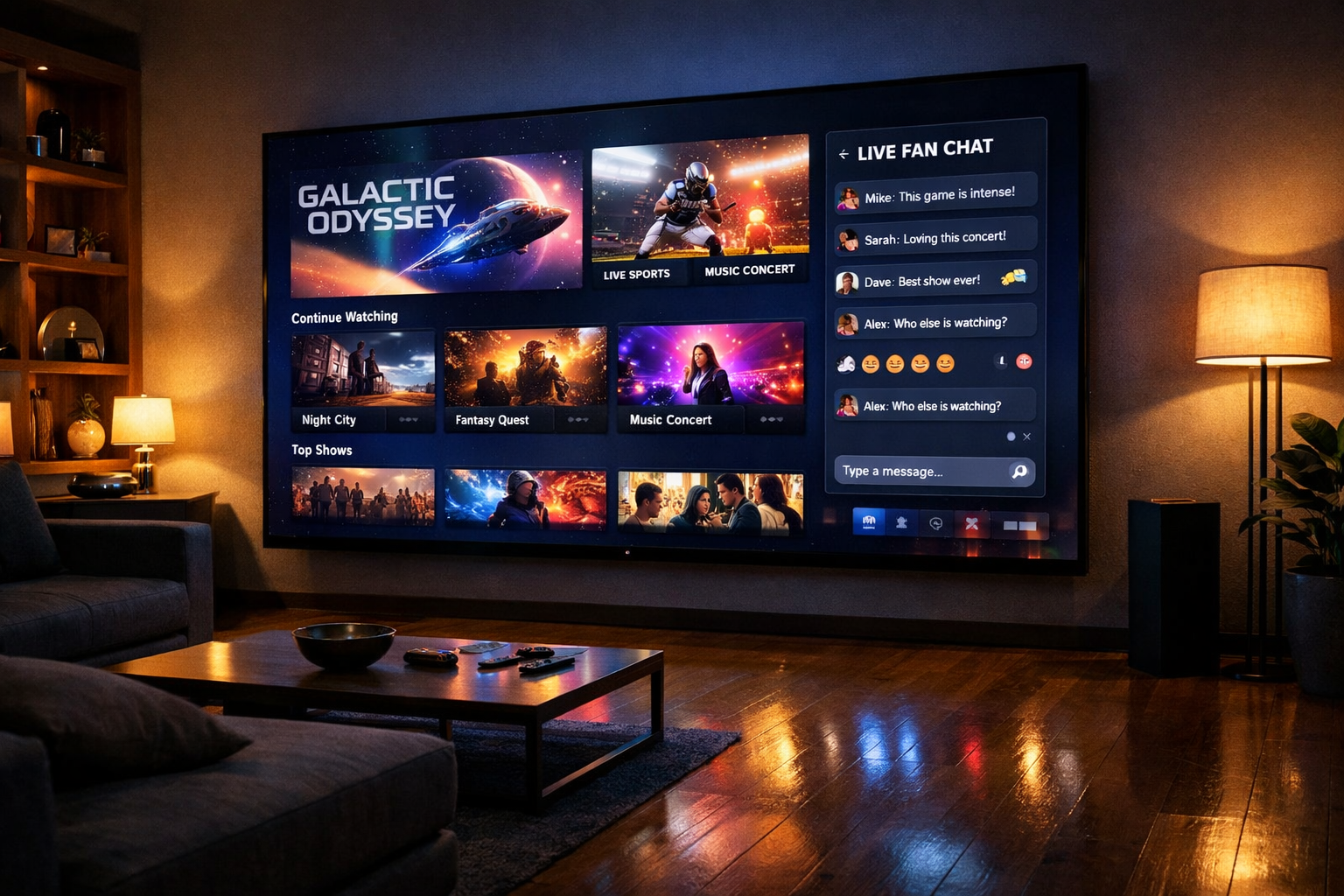
Streaming Platform Content Strategies: The 2026 Playbook for Capturing Always-On Fandom
The world of content strategy for streaming platforms is facing an overhaul on a massive scale due to the critical juncture that the industry finds itself in at the moment. Over time, the digital entertainment space became completely dependent on a growth engine that was solely based on subscriptions and was focused on spending billions of dollars on exclusive content in order to attract more subscribers. However, consumers’ tolerance of having numerous paid premium apps to juggle has reached its breaking point, resulting in a huge number of people becoming tired of subscriptions in the Western world.

In order to survive and succeed in such a cutthroat environment, top entertainment companies have redesigned their program structures to incorporate flexibility, hybrids, and improved usage of catalog content. Rather than relying on costly hit shows that may sustain interest during an entire season, companies are now moving toward fan engagement strategies that work consistently throughout the whole year. These involve combining high-quality cinematic content, short-form videos created by producers themselves, interactive buying opportunities, and real-time community streams within one platform. From the perspective of contemporary digital producers and news channels that create content analysis for the US and European markets, understanding this change in structure provides concrete insight into the future of TV.
Monetization Shifts and Hybrid Streaming Platform Content Strategies
The current entertainment companies have been very eager to move away from the inflexible and one-size-fits-all subscription-based pricing schemes and into the much more fluid monetization processes. This approach involves combining premium content with intelligent advertising that will help sustain the company while improving consumer finances.

Ad-Supported Video-on-Demand (AVOD) Integration
The application of ads-based pricing models has now graduated from being an experiment to being a stability factor. Multi-streaming platforms take advantage of these types of schemes to deal with extreme cases of subscription sprawl, thereby providing a key defense against churn in the case of cost-sensitive consumers. Through providing both high-value content and well-timed advertising breaks, companies can generate steady income streams as they grow their customer base.
Bundling and Cross-Platform Service Aggregation
The time when people had to rely on costly streaming vaults all by themselves is fast becoming history, being replaced by large-scale collaborations. Entertainment service providers are integrating competing products in bundles at one affordable price to reduce the number of people who churn out each month. The packages offer real value to users not only through convenience but also by providing an all-encompassing content library.
Average Revenue Per User (ARPU) Optimization
The key industry metric is officially not just about attracting new subscribers but making the most profit from existing subscribers. The monetization networks for content make use of sophisticated analytics in order to set up the right balance between subscription costs, advertisement, and rental options. It means that all accounts are earning their best in terms of finances, which helps the platform stabilize its economic base.
Transactional Video-on-Demand (TVOD) Premium Windows
Creating an early window for gaining access to the big budget movies through premium renting and buying services provides for an extremely profitable revenue stream. The main idea behind such an approach is that it enables companies to capitalize on the enormous amount of fan support right after the movie is taken out of theatres.
Interactive TVTV and Audience Participation Ecosystems
New video platforms take advantage of their digital interface by ensuring that consumers move from being spectators to active participants. This ensures that they bridge the gap that traditionally exists between simply viewing content on television and taking some form of action.

Real-Time Shoppable Video Features
By incorporating the layers of contactless e-commerce directly into the stream of the video, users are able to buy clothes or objects being featured within that stream almost immediately. While an actor is wearing the particular jacket, the viewer receives the prompt to scan a simple code through the smartphone to be able to buy the item.
Live Polling and Audience-Led Voting Mechanisms
The use of real-time polls when broadcasting reality contests, sport events, and interactive shows creates an extremely high level of audience engagement. Fans are able to participate in the vote using their smart TV remote controls; that way, they have an impact on the development of the storyline or the results of the broadcast itself.
Interactive Watch Parties and Social Feeds
The integration of real-time commenting spaces, tipping functionality, and watch parties directly into the main video player ensures community engagement. Users will no longer be watching alone but joining thousands of people in celebration of popular pop culture events all at once. The interaction results in viral conversations and high retention numbers over extended series runs with several episodes.
Real-Time Betting and Gamification Interfaces
Combining the streaming of live sporting events with legitimate, low latency betting widgets lets viewers wager casually about plays without having to alter their applications. The platform gauges the tempo of the games and adjusts the odds of trivia or bets automatically on a separate screen overlay. The use of gamification helps retain viewers of sporting events glued to the screen at all times.
Creator-Led Content Labs and IP Extension Pipelines
For an effective contemporary entertainment ecosystem, there needs to be a full link between big budget studio movies and online video producers. The communities ensure that large networks can retain audience focus between big budget seasons.

Short-Form Social Video Test Frameworks
The use of fast vertical videos through the social networks is indeed an innovation lab for the large Hollywood production studios. The entertainment industries view short form videos as a cost effective way to test out how well audiences take their specific characters and new ideas before committing resources towards full length series.
Cross-Channel Fandom Continuity Models
Keeping fans interested and occupied during the long periods when new seasons of shows are not aired is possible through constant multimedia engagement. The best franchises create a vast universe of media by releasing their own podcasts, behind-the-scenes episodes, and even lore archives in their application. Through this steady stream of content, fans stay highly engaged, avoiding post-season subscription cycles altogether.
Strategic Brand Studio Production Collaborations
Boundaries have become ambiguous between the two inasmuch as the new age corporate brands have become like film production houses. The platforms collaborate directly with some of the world’s largest corporations in co-producing original content that gives real stories rather than advertisements. This long-term production partnership results in premium content for consumers without affecting the budget for content creation by the platform.
Hyper-Local Premium International Library Acquisitions
Obtaining exclusive international streaming rights for high-quality regional content originating from South Korea, India, and Europe is one huge opportunity for growth. There is an increasing desire on behalf of western viewers for authentic content that will enable them to enjoy culturally diverse stories, and this has seen foreign-language drama series become massive successes around the world.
Smarter Discovery Networks and Audience Intelligence Systems
Finally, the fourth and last pillar for making videos modern revolves around developing a very responsive and intention-based search interface to lead users directly to content. This backend development process eliminates decision fatigue and makes the entire viewing experience personalized right from the start.

Intent-Led AI Recommendation Flows
The old passive wheels of recommendations are being superseded by extremely sensitive and intent-aware search networks which decipher natural user queries. No more scrolling through endless categories; the viewer types a mood request right into the screen at home and is presented with a customized list of movies. The guidance system eliminates choice paralysis entirely, enabling immediate access to valuable content upon launching the app.
Contextual Ad-Targeting and Metadata Enrichment
The use of rich metadata tagging to classify video collections ensures that the automated advertising platform is able to pair up marketing messages with the emotionally rich scene. In case the scene contains a wonderful cooking session outside, the advertisements are displayed automatically when there is a break in the program.
Cloud-Native Agility for Dynamic Content Pricing
Unified cloud data networks make it possible for streaming services to change prices of subscriptions and bundle promotions according to changes in the market environment. Specialized micro moment discounts can be used in order to attract users during large-scale live events. The technical capabilities will enable the platform to respond quickly to competition without any risk of program malfunction.
Sovereign Content Hub Regional Tailoring
Setting up the interfaces of such platforms in such a way that they function as very adaptable regional hubs for content helps in ensuring strict compliance with changing international data regulations. These regional hubs adapt the type of content shown, the level of parental controls in place, and even the targeting of ads based on the actual country of the viewer.
Frequently Asked Questions (FAQ)
What is causing the sudden shift toward hybrid streaming platform content strategies?
This is largely because of the subscription fatigue that exists across the board. With users increasingly refusing to pay for several different applications separately, platforms will have to make available some versions that are monetized through ads.
How do real-time shoppable video features benefit media networks?
Shoppable video allows platforms to monetize consumer attention instantly by turning viewers into direct shoppers. By allowing fans to purchase items seen on screen via simple on-screen codes, networks unlock lucrative e-commerce partnerships and secondary revenue splits without disrupting the core viewing experience.
Why is Average Revenue Per User (ARPU) more important than total subscriber counts now?
Now that the initial era of explosive global subscriber growth has leveled off, platforms can no longer rely solely on new sign-ups to increase profits. Maximizing ARPU through a smart mix of ads, premium rentals, and subscriptions ensures long-term financial health and covers rising production costs.
Can independent content creators benefit from these studio industry changes?
Absolutely. Major entertainment studios are increasingly treating short-form social media creators as valuable innovation labs. By partnering with internet creators who have established, deeply engaged micro-communities, traditional media brands can test new content ideas cost-effectively and unlock completely new audience segments.
Final Conclusion: The Future of Connected Entertainment
Embracing forward-thinking streaming platform content strategies has evolved from an experimental operational pivot into an absolute requirement for survival in the modern media marketplace. The old playbook of chasing raw subscriber growth through expensive, exclusive content walls no longer works in an environment defined by consumer choice sprawl and intense competition for viewer attention. By rebuilding digital ecosystems around flexible pricing tiers, real-time community interactivity, and creator-backed fan extension programs, the entertainment industry is proving that sustainable monetization can coexist beautifully with high-quality, creative storytelling. As networks across the United States and Europe deploy these advanced audience intelligence networks, the platforms that win will be celebrated not just for the volume of their media libraries, but for how naturally they keep their global communities connected year-round.

1 thought on “Streaming Platform Content Strategies: 16 Future TV Tips”