
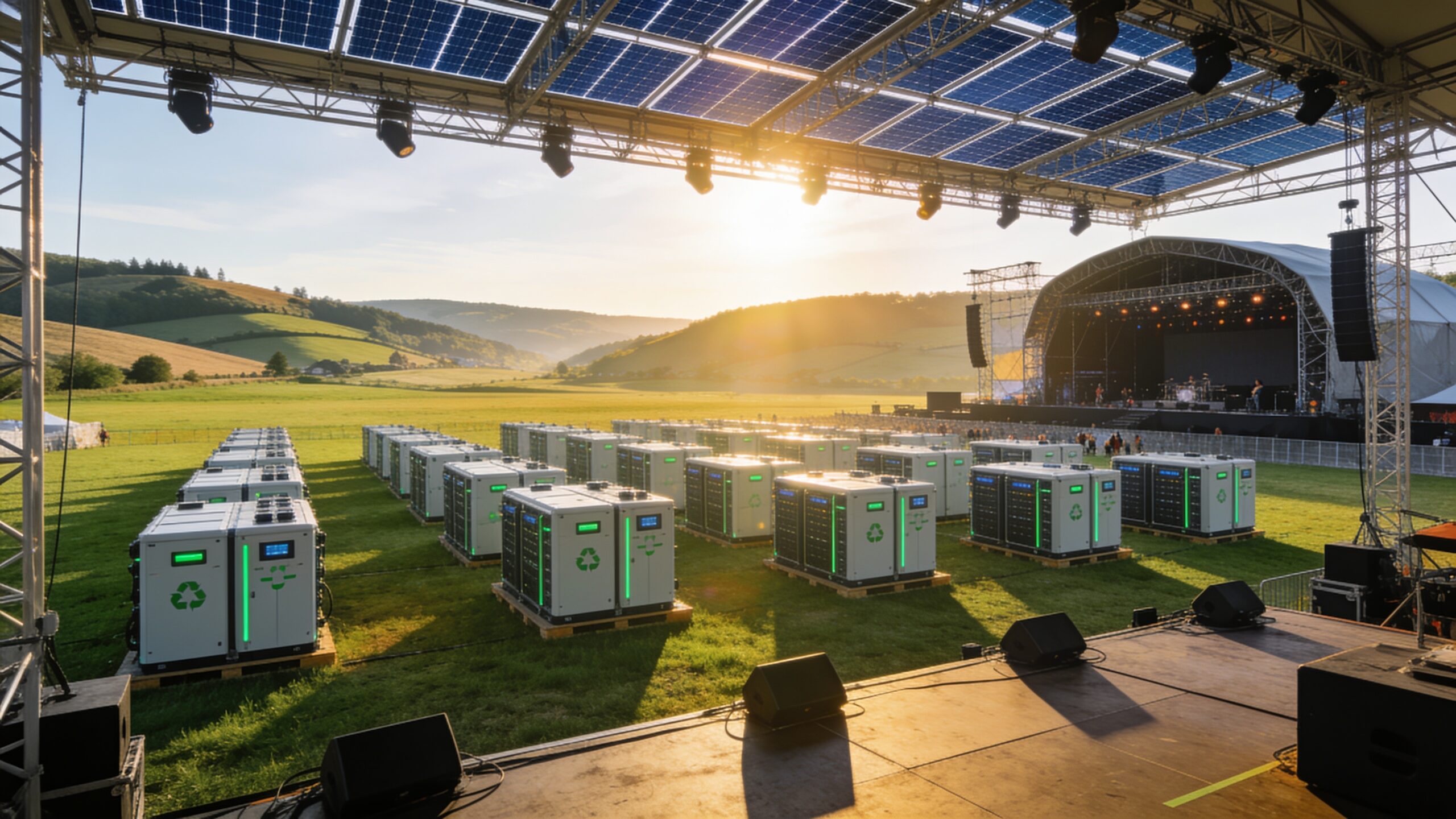
Sustainable Music Festival Logistics: How Clean Energy Grids and Circular Resource Pipelines Shape Large Scale Live Event Architecture
Sustainable music festival logistics have completely transformed the way global event organizers, municipal planning boards, and production managers design large-scale live entertainment, shifting mass gatherings away from wasteful habits toward entirely circular operations. For generations, hosting a major musical gathering across a three-day weekend meant relying completely on loud, carbon-heavy diesel generators that pumped thick pollution directly into rural spaces, left fields covered in mountains of plastic trash, and forced thousands of idling cars onto local backroads. Today, this old approach faces intense resistance from American and European festival fans who recognize that achieving high event quality requires immediate carbon reductions, reliable infrastructure performance, and smarter local supply choices.

To construct a highly engaging, long-term perspective that benefits event promoters, environmental engineers, and concert attendees across the United States and European nations, we must examine mass event infrastructure from the ground up. This means looking far past simple recycling bins and thoroughly analyzing temporary hydrogen fuel cell networks, smart hybrid battery storage grids, biological waste management pipelines, and unified mass transit networks that drastically slash carbon footprints. For dedicated event industry professionals seeking a practical, deeply detailed analysis of modern sustainable engineering without getting lost in dense technical physics jargon, studying these clean operations blueprints reveals the brilliant future of global cultural gatherings.
Decentralizing Event Power via Clean Microgrids in Sustainable Music Festival Logistics
Transitioning away from traditional diesel generator setups relies heavily on deploying state-of-the-art energy systems within modern sustainable music festival logistics configurations. This initial segment covers the core mechanical hardware options that harvest clean electrical power from temporary solar setups, hydrogen reactions, or localized smart battery networks.
Temporary Hydrogen Fuel Cell Grids and Silent Zero Emission Power Delivery
Utilizing modern hydrogen fuel cell hardware allows festival production teams to run massive audio and lighting arrays without burning fossil fuels. These specialized systems combine compressed hydrogen gas with ambient atmospheric oxygen to create massive electrical currents, releasing only pure water vapor as an exhaust byproduct. Eliminating traditional diesel engines prevents dangerous ground fuel spills, maintaining highly stable baseline electricity across demanding modern festival main stages.
Smart Hybrid Battery Storage Banks and Peak Load Management Automation
Deploying centralized lithium-iron battery storage containers across an event site provides a highly stable, year-round source of balanced electrical power. These industrial scale batteries capture excess clean energy generated during quiet morning hours, releasing the stored electricity instantly during intense headliner performances when stage power demands spike dramatically. This proactive energy storage optimization minimizes generator fuel consumption, wrapping the entire live event venue inside a smart electrical grid.
Solar Photovoltaic Canvas Arrays and Kinetic Energy Capture Innovations
Integrating heavy-duty solar canvas tiles directly into the structural framework of festival tents allows organizers to turn shade structures into active energy collectors. These lightweight, flexible solar materials absorb daylight efficiently even in overcast weather, running secondary field operations like staff field offices and retail vendor rows easily. This continuous solar collection method reduces active grid demands on local towns, ensuring reliable power generation across multi-day country music events.
Biomethane Generator Backups and Automated Grid Load Balance Switching
Hiding the potential weak spots of solar energy setups during heavy prolonged cloud cover requires adding a low-emission biomethane generator unit to the grid. Smart automated switchboards monitor system voltage continuously, activating the backup bio-fuel engine instantly when primary battery reserves drop past extreme safety thresholds. This intelligent dual-system backup network protects live musical performances completely, preventing unexpected sound system dropouts during peak evening crowds.
Circular Waste Architecture and Biological Resource Conservation Pipelines
Achieving total material recovery at mass live events depends heavily on maintaining strict, highly controlled resource recycling using modern sustainable music festival logistics designs. This section analyzes the automated compost processing yards and reusable cup washing operations that keep festival sites pristine.

Universal Reusable Drinkware Programs and Automated Sanitization Hubs
Mounting high-volume industrial cup washing hubs right inside the festival footprint allows concessions teams to eliminate single-use plastic cups completely. Patrons pay a small deposit for durable polypropylene cups, returning them to collection kiosks where automated washing lines wash, dry, and sanitize them for immediate reissue. This constant cup circulation loop eliminates millions of plastic trash items, keeping the festival lawn clean and presentable.
On-Site Industrial Composting Infrastructure and Organic Scrap Processing
Weaving specialized organic sorting yards directly into the backstage waste operations layout allows teams to process food waste and compostable packaging instantly. Heavy-duty commercial shredders mix food scraps with carbon-rich wood chips, accelerating natural heat breakdown processes that turn festival trash into rich landscaping soil within weeks. Providing this localized organic processing loop allows events to divert tons of trash from regional landfills, saving huge haulage costs.
Digital RFID Scavenger Tracking and Smart Sorting Vendor Incentive Systems
Linking microchipped wristbands straight to local trash sorting stations rewards event patrons and independent retail vendors who sort their garbage correctly. Digital sensors track sorted materials accurately, awarding digital merchandise credits or fee rebates to participants who follow strict separation rules. This advanced technological tracking method drives consumer participation up, making circular recycling goals highly achievable even within massive stadium festival grounds.
Sealed Graywater Filtration Matrices and Closed Loop Sanitation Architecture
Enforcing fully closed vacuum-flush bathroom trailer networks across the campground area prevents wastewater management from overwhelming local municipal sewers. High-efficiency mobile treatment units filter sink water and shower runoff instantly, purifying the liquid for reuse in secondary toilet flushing systems throughout the venue. Eliminating reliance on chemical portable toilets prevents nasty odor issues, keeping the camping area exceptionally hygienic, dry, and safe.
Low Carbon Transit Integration and Regional Mass Mobility Networks
Achieving seamless crowd movements across modern sustainable music festival logistics frameworks requires replacing traditional single-occupant car travel with organized, low-emission public transit systems. This segment explores how synchronized shuttle networks transport thousands of fans safely and efficiently.
Synchronized Electric Shuttle Fleets and Dedicated Express Highway Lanes
Configuring high-capacity electric bus fleets along dedicated municipal road corridors allows event transport managers to move thousands of fans through town quickly. The electric shuttles run continuously between regional train stations and the front gates, bypassing normal traffic jams completely via restricted access lanes. This organized mass transit approach eliminates thousands of private cars, removing parking lot congestion while cutting carbon emissions down significantly.
Integrated Smart Ticketing Platforms and Unified Rail Transit Credits
Linking festival entry passes straight to regional passenger train networks allows ticket buyers to access local subway and commuter lines automatically. The digital concert ticket acts as a pre-paid train pass, encouraging fans to leave their vehicles behind at suburban park-and-ride stations. This seamless digital connection fills transit train cars efficiently, maximizing regional transportation infrastructure usage while saving fans money on parking.
Active Micromobility Corridors and Supervised Valet Bicycle Infrastructure
Managing massive city center events or urban park gatherings becomes incredibly simple when using wide, dedicated micromobility lanes along the outer perimeter. Cities build temporary barricaded pathways for electric bicycles and shared scooters, leading directly to secure, staff-supervised valet bike parking zones by the main gates. This targeted lane design keeps casual riders safely separated from heavy truck traffic, maximizing local neighborhood access.
Dynamic GPS Rideshare Geofencing and Managed Vehicle Staging Zones
Applying precise virtual geofence boundaries to local navigation apps keeps commercial rideshare vehicles confined to designated pickup zones far away from pedestrian walkways. The digital boundaries prevent drivers from blocking local emergency routes, directing them instead to high-capacity parking pads built specifically for quick passenger boarding. This proactive traffic management prevents chaotic street gridlock, creating a beautifully safe environment around the venue.
Circular Materials Sourcing and Sustainable Stage Architecture
The final operational layer of a forward-thinking entertainment project involves utilizing modular, reusable building elements to construct stage sets within sustainable music festival logistics structures. This segment details how local rental loops maintain structural art long after events close.

Modular Aluminum Truss Scaffolding and Circular Equipment Rental Loops
Deploying advanced modular aluminum stage structures across national tour routings allows production teams to assemble massive performance spaces without creating construction waste. Every metallic truss beam, stage deck, and rigging clamp belongs to standardized commercial equipment rental inventories that return to regional depots immediately after show breakdown. This continuous asset reuse model guarantees long equipment life, avoiding the custom wood trash historically dumped after single shows.
Bio-Composite Scenic Art Panels and Certified Sustainable Timber Sourcing
Running certified sustainable wood procurement programs inside the scenic design shop provides event art directors with beautiful, non-toxic materials for custom stage art. Designers construct elaborate set backgrounds using lightweight boards pressed from natural agricultural waste fibers and organic plant resins. This eco-friendly material choice ensures decorative scenic elements can be safely composted after the concert series finishes, preventing toxic landfill pollution.
Low Impact Ground Protection Matting and Heavy Equipment Surface Shielding
Empowering site operations teams with heavy-duty interlocking recycled plastic floor mats saves fragile park lawns from getting destroyed by heavy cranes. These portable plastic driveway panels lock together tightly, spreading the immense weight of production trucks evenly across the grass without crushing deep soil structures. This rapid ground defense system protects local parklands perfectly, minimizing costly field restoration work after event trucks leave.
Localized Vendor Procurement Webs and Short Distance Freight Logistics
Utilizing localized food and equipment supply chains ensures that heavy festival supply trucks travel the shortest possible distances to reach the venue site. Event coordinators recruit food vendors, staging suppliers, and waste crews located strictly within a small regional radius, cutting long-distance trucking fuel consumption completely. This regional supply network shields the broader event from global shipping delays, ensuring reliable, community-supported operations.
Frequently Asked Questions (FAQ)
Can temporary hydrogen fuel cells realistically power a massive rock festival main stage?
Yes, modern high-capacity hydrogen fuel cells are fully capable of delivering the massive, clean electrical currents needed to run elite concert audio systems and automated lighting arrays. When combined with industrial battery storage containers to manage sudden voltage spikes, these clean systems provide perfectly stable electricity with zero noise and zero carbon emissions.
How do festival organizers ensure that reusable cup programs do not lose money through theft?
Organizers implement a highly effective deposit system, charging a small extra fee when a patron buys their first drink. When the fan returns their empty cup to a designated collection kiosk, they receive their deposit back instantly via their RFID wristband, ensuring that almost all cups return to the washing hub.
Is processing festival food waste through on-site industrial composting truly practical?
Yes, setting up a dedicated composting compound within the festival perimeter is highly practical when using commercial wood shredders and monitored aeration tubes. This localized setup processes organic food scraps and certified compostable plates immediately, cutting down expensive heavy trash hauling truck trips while generating rich soil for local farms.
What is the average expected lifespan of modular aluminum stage truss systems?
High-grade structural aluminum staging components are exceptionally durable and can be safely assembled, dismantled, and reconfigured for over twenty years of continuous service. Because the metal parts bolt together using standardized commercial fittings, they suffer minimal wear and tear, representing a perfectly circular, waste-free event asset.
Final Conclusion: Securing Cultural Longevity Through Green Event Infrastructure
Investing in the advanced operational models driving sustainable music festival logistics provides an exceptionally reliable path that permanently upgrades how entertainment promoters, local communities, and global event brands perform over the long term. The outdated era of burning thousands of gallons of diesel fuel, dealing with fields covered in plastic trash, and grid locking rural towns with single-occupant cars has officially come to an end. It is rapidly being replaced by a highly efficient, self-sustaining live entertainment model built around clean hydrogen microgrids, automated circular recycling lines, synchronized public transit networks, and fully reusable modular stage designs.
By centering your event production budget on high-capacity hybrid batteries, universal reusable cup washing lines, and regional supply networks, you easily protect your festival from rising fuel costs while building a loyal, eco-conscious fan base that returns year after year. As environmental regulations across the United States and European nations continue to demand lower carbon footprints from mass gatherings, the forward-thinking promoters who achieve true operational longevity will be those who construct their daily entertainment architecture on top of stable, renewable, and highly efficient event networks.

1 thought on “Sustainable Music Festival Logistics: 16 Green Event Rules 2026”