
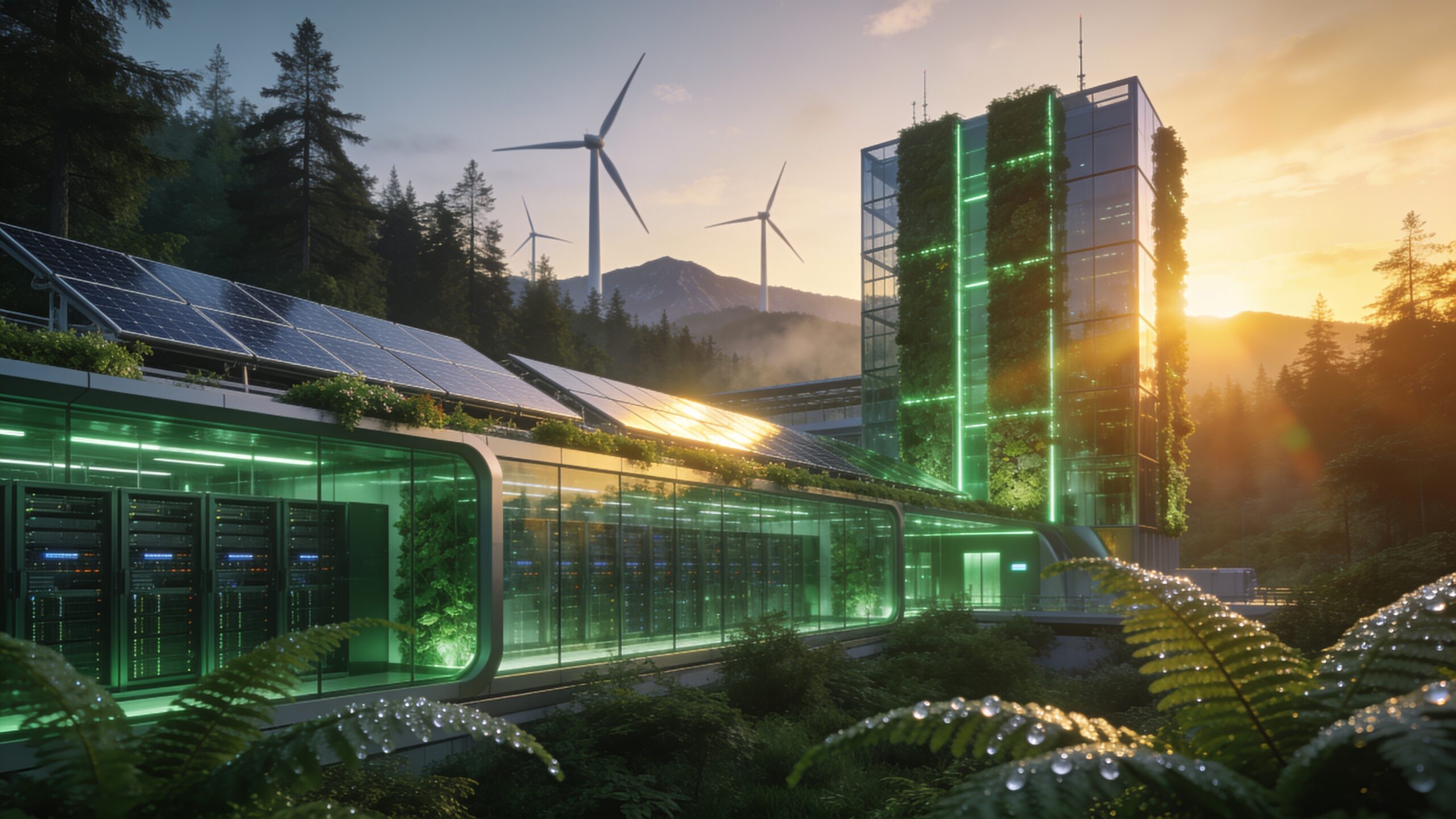
Sustainable AI Energy Transition Frameworks: 2026
Sustainable AI energy transition frameworks are rapidly emerging as the defining focus of international diplomacy, digital governance, and environmental policy across the United States and European nations today. As artificial intelligence models expand into every sector of the global economy, their growing computational demands have created unprecedented electricity requirements for global data centers. International leadership councils and energy federations are now aligning digital expansion directly with renewable power grids to ensure technological growth does not compromise worldwide decarbonization commitments.

Addressing this dual challenge of computational scaling and environmental responsibility requires unprecedented cooperation between tech developers, national grid operators, and international regulatory bodies. Modern international agreements prioritize green compute infrastructure, energy-efficient algorithmic design, and equitable access to sustainable technologies for developing economies. By establishing standardized global metrics for digital power efficiency, world leaders aim to foster innovation while protecting natural ecosystems and stabilizing consumer energy markets across interconnected Western economies.
Global Policy Harmonization in Sustainable AI Energy Transition Frameworks
Unifying national regulations into coherent global standards forms the essential first pillar for managing planetary energy consumption caused by expanding digital infrastructure. This section examines cross-border policy alignment, green computing certifications, international carbon transparency mandates, and joint public-private infrastructure investments across North American and European energy markets.

Cross-Border Regulatory Alignment for Renewable Power Grids
Harmonizing international energy standards prevents regulatory friction between neighboring nations sharing interconnected electrical grids. When sovereign governments establish compatible clean power directives, digital infrastructure developers can invest confidently across multiple jurisdictions. Unified policy frameworks simplify cross-border energy trading, incentivize renewable project financing, and guarantee that massive data center expansions adhere to strict environmental protection protocols without causing localized power outages or artificial price inflation for consumer households.
Green Compute Certifications and Efficiency Benchmarks
Establishing mandatory efficiency benchmarks forces tech companies to optimize hardware architectures and cooling systems continuously. International certification bodies now evaluate artificial intelligence data facilities based on operational power usage effectiveness and water consumption ratios. Standardized green ratings help investors identify responsible tech firms while encouraging cloud providers to locate processing facilities near abundant renewable power sources like geothermal reservoirs, offshore wind farms, and large-scale solar arrays.
Transparent Carbon Footprint Reporting and Mandatory Disclosures
Mandatory carbon disclosure protocols require technology corporations to publish audited reports regarding their direct and indirect electricity consumption. Public reporting ensures complete operational transparency, holding multi-national software firms accountable to environmental targets pledged at global climate summits. Granular carbon tracking enables regulatory agencies to monitor regional energy draws accurately, prompting software developers to schedule heavy algorithmic training tasks during off-peak hours when renewable energy supply peaks.
Joint Public-Private Investments in Clean Energy Infrastructure
Cooperative funding models between national governments and global technology enterprises accelerate the deployment of next-generation renewable power projects. Tech giants commit billions in long-term power purchase agreements, providing guaranteed revenue that finances new wind, solar, and advanced nuclear facilities. These joint investments expand overall grid capacity for local communities, creating high-skilled clean energy jobs while ensuring digital economy growth directly funds clean energy transition efforts globally.
Algorithmic Efficiency and Next-Gen Sustainable AI Energy Transition Frameworks
Optimizing software algorithms and compute models forms the core technical strategy for drastically reducing computational power requirements across global networks. This segment highlights compressed neural architectures, energy-aware model training, decentralized edge processing, and hardware innovation designed to minimize digital carbon footprints.

Compressed Neural Model Architectures and Resource Savings
Deploying smaller, highly compressed artificial intelligence models achieves exceptional performance while requiring only a fraction of traditional energy loads. Techniques like model quantization, structural pruning, and knowledge distillation allow compact software systems to run efficiently on lower power budgets. Reducing algorithmic complexity democratizes access for independent research institutions, allowing smaller organizations to build powerful digital applications without consuming excessive electrical power.
Energy-Aware Model Training Schedules and Grid Synchronization
Scheduling resource-intensive model training cycles to match real-time availability of clean energy prevents unnecessary fossil fuel power plant activation. Smart workload management systems automatically shift processing workloads to data centers powered by active solar or wind generation. Synchronizing digital computation with variable renewable power generation maximizes green energy utilization, lowers operational costs, and minimizes overall carbon emissions during complex artificial intelligence development.
Decentralized Edge Processing and Reduced Network Loads
Processing data locally on personal consumer devices rather than streaming raw information to distant centralized servers reduces global telecommunications energy consumption. Edge computing minimizes network traffic, reduces latency, and protects user data privacy while cutting energy demands on central server farms. Widespread adoption of edge processing allows smart devices to execute advanced software routines locally, significantly lowering the overall power required for global digital services.
Neuromorphic Hardware Innovation and Thermal Reduction
Engineering specialized computer chips inspired by human brain biology dramatically reduces the physical electrical current required for processing complex data streams. Neuromorphic processors activate internal circuits only when processing active information, drastically cutting idle electricity loss and internal heat generation. Hardware breakthroughs lower cooling requirements inside industrial facilities, helping server farms operate reliably in warm climates using minimal water and electricity supplies.
Equitable Technology Access within Sustainable AI Energy Transition Frameworks
Ensuring that clean digital advancements benefit developing regions alongside industrialized nations forms a moral imperative within modern global messaging. This section explores open-source eco-friendly models, international technology transfer, digital infrastructure grants, and regional capacity building across global communities.

Open-Source Eco-Friendly Models and Knowledge Sharing
Sharing energy-efficient software designs openly allows researchers worldwide to build advanced applications without starting from expensive, resource-heavy baselines. Global open-source repositories enable international developers to adapt efficient models for local healthcare, agriculture, and educational initiatives. Universal access to lightweight software tools levels the technological playing field, ensuring developing nations participate fully in global digital transformation without facing insurmountable energy costs.
International Technology Transfer and Infrastructure Equity
Transferring modern energy-efficient computing hardware and cooling technologies to developing regions prevents the emerging global digital divide from widening. Multinational technology agreements facilitate equipment donations, technical training, and subsidized licensing for public institutions in emerging economies. Supporting global technology distribution ensures lower-income countries build sustainable digital economies, improving public administration, disaster response, and economic resilience without increasing regional reliance on fossil fuels.
Global Green Computing Grants and Civic Funding
Providing direct financial support and international research grants encourages young innovators in underrepresented communities to develop localized environmental solutions. Philanthropic foundations and international development funds prioritize projects that combine lightweight software design with renewable power applications. Dedicated civic funding empowers local entrepreneurs to solve regional ecological challenges, demonstrating how sustainable digital tools can improve life across diverse geographic regions.
Regional Capacity Building and Technical Education Programs
Investing in specialized educational workshops and university curricula equips global students with modern skills in energy-conscious software engineering. Training local engineers in green coding practices and renewable micro-grid management ensures long-term operational self-sufficiency for regional technology hubs. Expanding technical literacy creates sustainable career pathways for youth worldwide, strengthening community resilience and driving localized innovation that aligns directly with global climate objectives.
Consumer Empowerment and Sustainable AI Energy Transition Frameworks
Empowering everyday citizens to make informed choices regarding their personal digital footprint represents the vital societal pillar of international energy sustainability. This section covers consumer eco-labeling, smart household energy management, digital minimalism, and public advocacy for green technology practices.

Consumer Eco-Labeling for Digital Services and Mobile Apps
Displaying clear environmental ratings on mobile application stores helps consumers choose digital tools designed with energy efficiency in mind. Transparent eco-labels inform users about the carbon impact and battery drainage associated with daily software usage. Market transparency encourages app developers to optimize code, driving industry-wide competition toward sustainable design while giving environmentally conscious citizens the power to reward responsible technology companies.
Smart Home Energy Management and Automated Efficiency
Integrating intelligent home energy hubs allows residents to manage appliance schedules, heating systems, and electric vehicle charging during peak renewable generation hours. Automated residential energy management balances individual comfort with grid stability, cutting household utility expenses substantially. Empowering homeowners with smart digital tools turns individual households into active participants in the global clean energy transition, reducing overall stress on municipal power grids.
Digital Minimalism and Conscious Cloud Data Habits
Encouraging individuals to clean up unnecessary cloud storage, redundant video files, and unneeded digital archives reduces persistent server energy loads. Simple daily habits like deleting unwanted emails and opting for standard resolution streaming when appropriate save gigawatt-hours of server power collectively. Raising public awareness regarding the physical infrastructure behind cloud computing transforms abstract digital activity into tangible environmental stewardship.
Public Advocacy for Renewable Energy in Tech Corridors
Organized community campaigns encourage local municipal governments and regional utility providers to accelerate renewable grid interconnections for local commercial tech facilities. Informed citizens advocate for zoning regulations that require new data centers to feature rooftop solar, battery storage, and waste-heat recovery systems. Active civic engagement ensures technology sector growth directly enriches local energy infrastructure, protecting community health and promoting shared regional prosperity.
Frequently Asked Questions (FAQ)
What are sustainable AI energy transition frameworks?
Sustainable AI energy transition frameworks are coordinated international policies, technical standards, and investment strategies designed to power growing digital computing systems using renewable energy sources while lowering overall software power consumption.
Why is data center power consumption a key topic at UN climate summits?
Modern artificial intelligence models demand immense computational power, leading to rapid increases in data center electricity usage. World leaders focus on this issue to ensure that digital economy growth does not increase reliance on fossil fuels or compromise global carbon reduction goals.
How do compressed neural models help protect the environment?
Compressed neural models use advanced engineering techniques to perform tasks with significantly fewer calculations. This reduces the electrical current and cooling water needed during operation, cutting the overall carbon footprint of digital services drastically.
How can everyday citizens reduce their personal digital energy footprint?
Citizens can practice digital minimalism by clearing unnecessary cloud storage, choosing standard video resolution when high definition is unneeded, using energy-efficient mobile apps, and managing smart home appliances during off-peak renewable power hours.
Final Conclusion
Adopting sustainable AI energy transition frameworks represents an imperative shift toward a balanced, environmentally responsible digital future. By harmonizing international policy, engineering resource-efficient software, expanding technology access to developing nations, and empowering consumer stewardship, world leaders are proving that technological progress and climate resilience can advance hand in hand. As interconnected economies across North America, Europe, and beyond embrace these frameworks, global energy security improves alongside digital innovation.
The path forward requires continuous collaboration between governments, tech pioneers, energy providers, and informed citizens. Grounding digital growth in renewable energy sources ensures that powerful technology benefits all humanity without placing undue stress on our planet’s ecosystems. Embracing sustainable computing today builds the foundation for a cleaner, fairer, and more vibrant world for generations to come.

1 thought on “Sustainable AI Energy Transition Frameworks: 2026”