
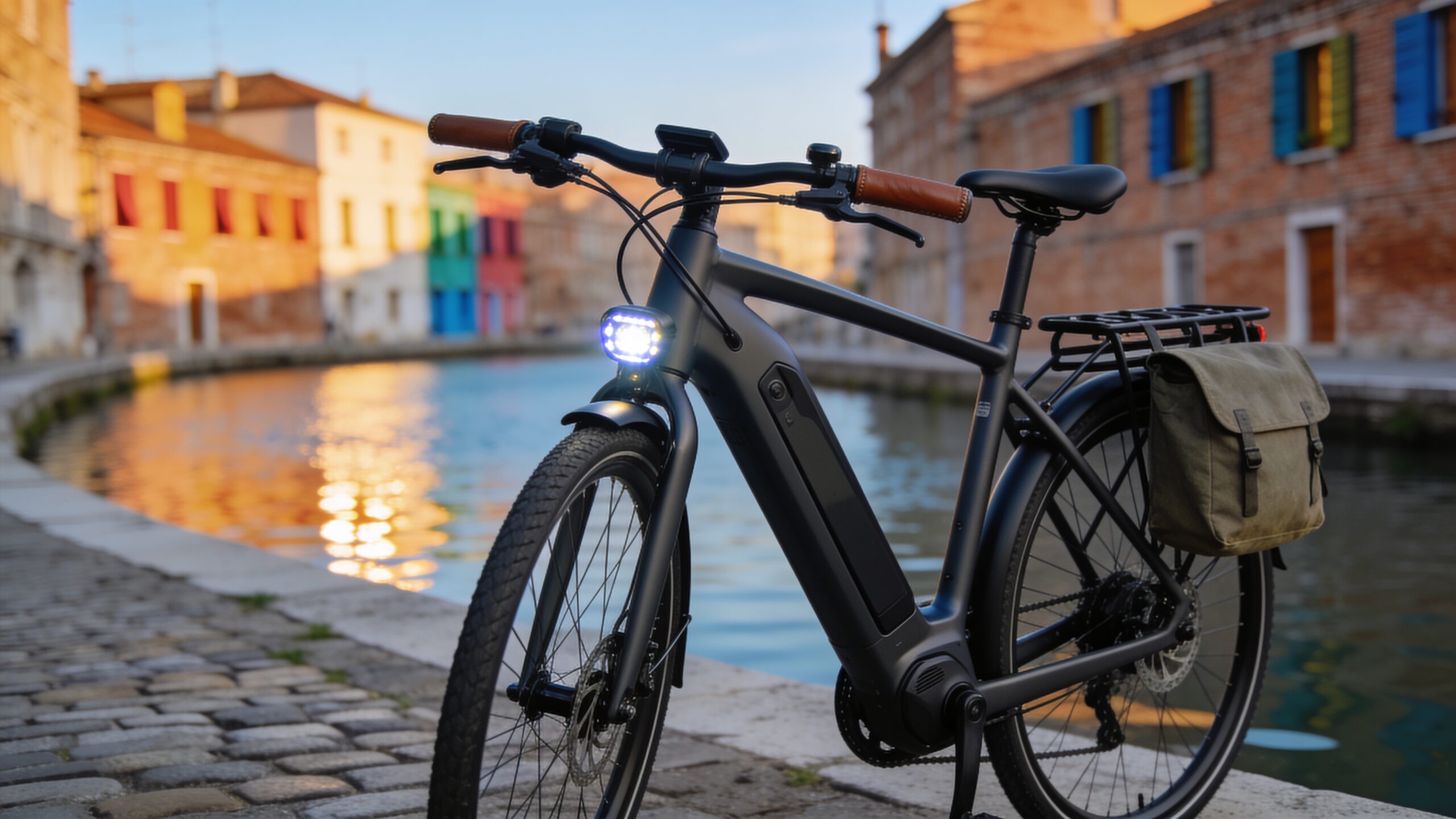
Electric Commuter Bike Buying Guide: How Premium Engineering and Local Regulations Shape Your Daily Ride
This electric commuter bike buying guide will show you that purchasing a high-quality electric bicycle is no longer just about picking a frame color and hoping for the best. Over the last few years, urban transportation has undergone a massive structural shift, transforming the humble bicycle from an occasional weekend toy into a high-performance, daily-utility vehicle capable of replacing a second family car. For commuters across the United States and European nations, trading bumper-to-bumper car traffic for a swift, sweat-free ride on a dedicated bike lane has become the ultimate life upgrade. However, walking into a local bike shop or browsing online stores can feel incredibly overwhelming due to the sheer volume of motor options, complex battery metrics, and diverse frame designs available on the market today.
To build a reliable, long-term personal vehicle that fits seamlessly into your morning routine, you need to look far past generic marketing brochures and focus directly on premium engineering standards. A truly dependable commuter bike must withstand rough city pavement, survive heavy rainstorms, and provide consistent stopping power in fast-moving traffic. This comprehensive guide is designed to act as your trusted, highly detailed roadmap, breaking down complex technical specifications into simple, relatable concepts so you can invest your money with absolute confidence. By analyzing the essential pillars of modern electric mobility, you will discover how to select a highly reliable machine that brings genuine joy and unparalleled convenience to your daily neighborhood travel.
Deciding on Motor Types and Drive Systems
This guide section focuses on motor technology to help you navigate your options. We break down the differences in motor placement, sensor feel, and raw power output so you can find a motor that matches your urban environment.
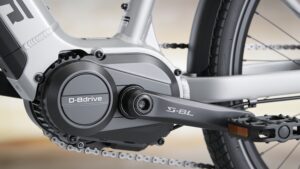
Understanding Hub Motors vs Mid-Drive Motor Systems
Choosing between mid-drive and hub motors fundamentally changes your ride experience on city streets. Mid-drive systems sit at the crank, feeding power directly through the chain to leverage your rear gears for incredibly efficient hill climbing. In contrast, hub motors are sealed inside the wheel, providing low-maintenance, zip-like propulsion. Your choice depends heavily on your daily route terrain and long-term mechanical maintenance preferences.
Torque Sensors vs Cadence Sensors for Electric Commuter Bikes
The mechanism of power delivery separates smooth rides from jerky starts. Cadence sensors act like basic switches, turning motor power on when you pedal, which can feel abrupt. Torque sensors measure your actual leg effort dynamically, matching your output in real-time for an incredibly natural, fluid experience. For dense city commuting with frequent stop-and-go traffic, a highly responsive torque sensor is absolutely vital.
Assessing Motor Power and Local Regulatory Class Limits
Local laws dictate motor speed limits and classes across the United States and European nations. In the US, Class 1 and 2 models assist up to twenty miles per hour, while Class 3 reaches twenty-eight. European rules cap motor output strictly at two hundred fifty watts and fifteen miles per hour. Navigating these regional regulations ensures your commuter bike remains fully legal on local bike paths.
Heat Dissipation and Motor Durability Over Long Runs
High-quality motors are engineered to manage internal heat buildup during prolonged climbs under heavy loads. Cheap designs overheat quickly, causing internal electronics to throttle power or fail entirely over time. Look for systems featuring advanced thermal protection circuits and robust metal casings that dissipate heat efficiently. This attention to mechanical engineering ensures your commuter investment remains highly reliable across thousands of seasonal trips.
Choosing the Right Battery Capacity and Range Options
Battery technology is the primary driver of your commuter vehicle’s range, reliability, and ease of use. This segment helps you calculate your exact electrical needs, explore charging options, and maximize the lifespan of your expensive power cell.
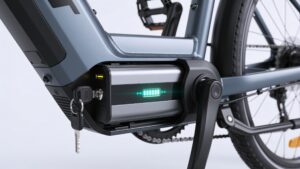
Calculating Real-World Wh Demands for Daily Commutes
Calculating your battery needs requires looking at Watt-hours, which measure the total fuel tank size. Most modern commuter bikes range from four hundred to eight hundred Watt-hours, consuming roughly fifteen to twenty Watt-hours per mile of travel. Heavier riders, steep hills, and higher assistance levels increase consumption significantly. Securing a battery with thirty percent more capacity than your daily commute requires prevents range anxiety.
Removable Battery Advantages for Workplace Charging Stations
A removable battery pack offers unmatched daily convenience compared to integrated frames that force you to park your heavy bike near wall outlets. Removable options let you slide the pack out easily, carrying it up to your office desk or apartment for safe indoor charging. This feature also protects your expensive battery from theft, extreme outdoor temperatures, and structural damage when stored outside.
Charge Cycles and Lifespan of Lithium-Ion Power Cells
Understanding lithium-ion cycle life is essential for predicting the long-term cost of your e-bike ownership. Most premium batteries deliver five hundred to one thousand full charge cycles before dropping to eighty percent capacity. To extend this lifespan, avoid draining the cells to zero percent and store them at room temperature. Proper battery care translates directly to years of reliable, emission-free city travel.
Weatherproofing Standards and Thermal Performance in Winter
Extreme winter temperatures can reduce your total riding range by up to thirty percent due to slowed chemical reactions. Premium commuter batteries feature insulated covers or integrated thermal management systems that keep the cells warm during cold morning rides. Checking the Ingress Protection rating ensures your battery housing completely blocks out heavy downpours, preventing short circuits during wet winter commutes.
Selecting Gearing Systems and Drivetrains
Your choice of gearing systems determines how efficiently you can pedal alongside your electric motor. We analyze the differences between chain drives and carbon belts to help you choose the ultimate low-maintenance commuter configuration.
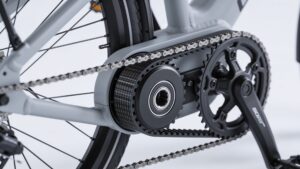
Traditional Chain Drives vs Low-Maintenance Carbon Belts
Traditional metal chains require regular cleaning, degreasing, and lubrication to prevent rust and mechanical wear. In contrast, modern carbon belt drives replace oily chains with a strong, clean polyurethane band reinforced with carbon cords. Belt drives require zero grease, wash clean with simple water, and run almost silently. They last up to four times longer than steel chains, making them ideal for daily commuting.
Internal Geared Hubs vs Exposed Rear Derailleur Gears
Exposed derailleurs work well but are highly vulnerable to salt, dirt, and physical impact on busy city streets. Internal geared hubs seal all shifting mechanisms safely inside the rear wheel hub, protecting delicate gears from harsh weather elements. This sealed design allows you to shift gears while standing completely still at traffic lights, which is a massive advantage during urban stop-and-go commuting.
Gear Range Ratios for Tackling Steep City Hills
Securing the correct gear range ratio is critical if your daily commute involves conquering steep, challenging neighborhood hills. A narrow gear range will force the electric motor to work harder, consuming valuable battery power and straining your legs. Look for internally geared hubs or wide-ratio cassettes that offer a low gear option. This mechanical advantage keeps your pedaling cadence comfortable and efficient on any slope.
Regenerative Braking Systems in Commuter Hub Motor Hubs
Some direct-drive hub motors offer regenerative braking systems that capture kinetic energy when coasting or slowing down down hills. While this technology sounds incredibly appealing, it typically only returns five to ten percent of energy back to the battery. The primary benefit of regenerative braking is reducing wear on your mechanical brake pads, saving you money on frequent brake maintenance over years of riding.
Prioritizing Key Safety Features and Tech Integration
The ultimate section covers the mechanical and digital details that keep your daily rides safe and secure. We outline critical stopping power standards, integrated lighting requirements, smart security tracking, and high-performance urban tire choices.

Hydraulic Disc Brakes vs Mechanical Cable Brake Calipers
Bringing a heavy electric bike to a safe stop at high speeds requires serious, dependable braking power. Hydraulic disc brakes use fluid lines to deliver immense, easily controlled stopping force with minimal finger effort on the lever. Mechanical disc brakes are cheaper but require frequent cable adjustments and harder hand squeezes. For daily commuting in wet weather, investing in hydraulic disc brakes is a vital safety choice.
Integrated High-Lumen Headlights and Brake Light Strips
High-visibility lighting is your primary defense when riding on shared roads in low-light conditions. Look for bikes featuring integrated high-lumen headlights powered directly by the main battery pack, eliminating the hassle of separate charging. Rear brake lights that glow brighter when you squeeze the brake levers alert trailing drivers instantly, significantly reducing your risk of rear-end collisions during dark winter commutes.
Smart Handlebar Displays and Built-In GPS Theft Tracking
Integrating digital smart features into your commuter bike provides invaluable peace of mind when parking in public spaces. Modern displays feature seamless smartphone integration, turn-by-turn navigation, and automatic motor lockouts. Built-in GPS chips allow you to track your bike’s exact location in real-time if it is ever moved without permission. These security measures are highly effective deterrents against persistent urban bicycle theft.
Puncture-Resistant Tire Compounds for Rough Urban Streets
Punctures are a frustrating way to ruin your morning commute on busy, debris-filled city streets. Equipping your bike with premium puncture-resistant tires featuring thick internal protective layers is the best defense against glass and nails. Wider tire widths also allow you to run lower air pressures safely, significantly improving your ride comfort, grip, and stability over wet, uneven urban road surfaces.
Frequently Asked Questions (FAQ)
What is the primary difference between Class 1, Class 2, and Class 3 e-bikes?
Class 1 bikes offer pedal-assist up to 20 mph without a throttle. Class 2 models include a throttle that can propel the bike up to 20 mph without pedaling. Class 3 models provide pedal-assist up to 28 mph and are often restricted from certain recreational bike paths due to their higher top speeds.
How often should I perform mechanical maintenance on an e-bike using a carbon belt drive?
Carbon belt drives require incredibly little maintenance compared to traditional steel chains. You never need to apply messy grease or oil; instead, you simply rinse the belt with clean water whenever it accumulates mud or road grit. A high-quality carbon belt typically lasts up to 15,000 miles before needing replacement.
Can I ride my electric commuter bike in heavy rain without damaging the electronics?
Yes, premium electric commuter bikes are specifically engineered with water-resistant electrical components, typically carrying an Ingress Protection (IP) rating of IPX5 or higher. This level of protection ensures that riding through heavy rain or puddles will not damage your motor, battery, or handlebar display, though you should never submerge the bike fully in water.
What is the expected lifetime of a high-quality electric bike battery pack?
Most top-tier manufacturers design their lithium-ion battery packs to last for approximately 500 to 1,000 full charge cycles. For the average urban commuter riding five days a week, this translates to roughly three to five years of daily service before the battery’s maximum capacity degrades to about 80% of its original volume.
Final Conclusion: Investing in Your Ultimate Daily Commute
Using this comprehensive electric commuter bike buying guide to select your next ride ensures that you avoid the common pitfalls of choosing flashy, low-quality gadgets over solid, reliable transportation engineering. The historical era of arriving at the office tired and sweaty, getting stuck in endless city gridlock, and constantly maintaining dirty, greasy bicycle chains is officially coming to an end. It is being replaced by a highly efficient, modern lifestyle centered around reliable torque sensors, clean belt drives, weather-sealed internal gear hubs, and ultra-bright integrated lighting systems that prioritize your safety above everything else. By focusing your personal budget on high-performance hydraulic stopping power, robust puncture-resistant tires, and versatile removable battery frames, you easily secure a highly dependable machine that is ready for any weather. As cycling infrastructure across major cities in the United States and European nations continues to grow and improve, the commuters who enjoy the highest satisfaction will be those who invest in premium, legal, and durable electric vehicles.

1 thought on “Electric Commuter Bike Buying Guide: 16 Smart Rules 2026”