
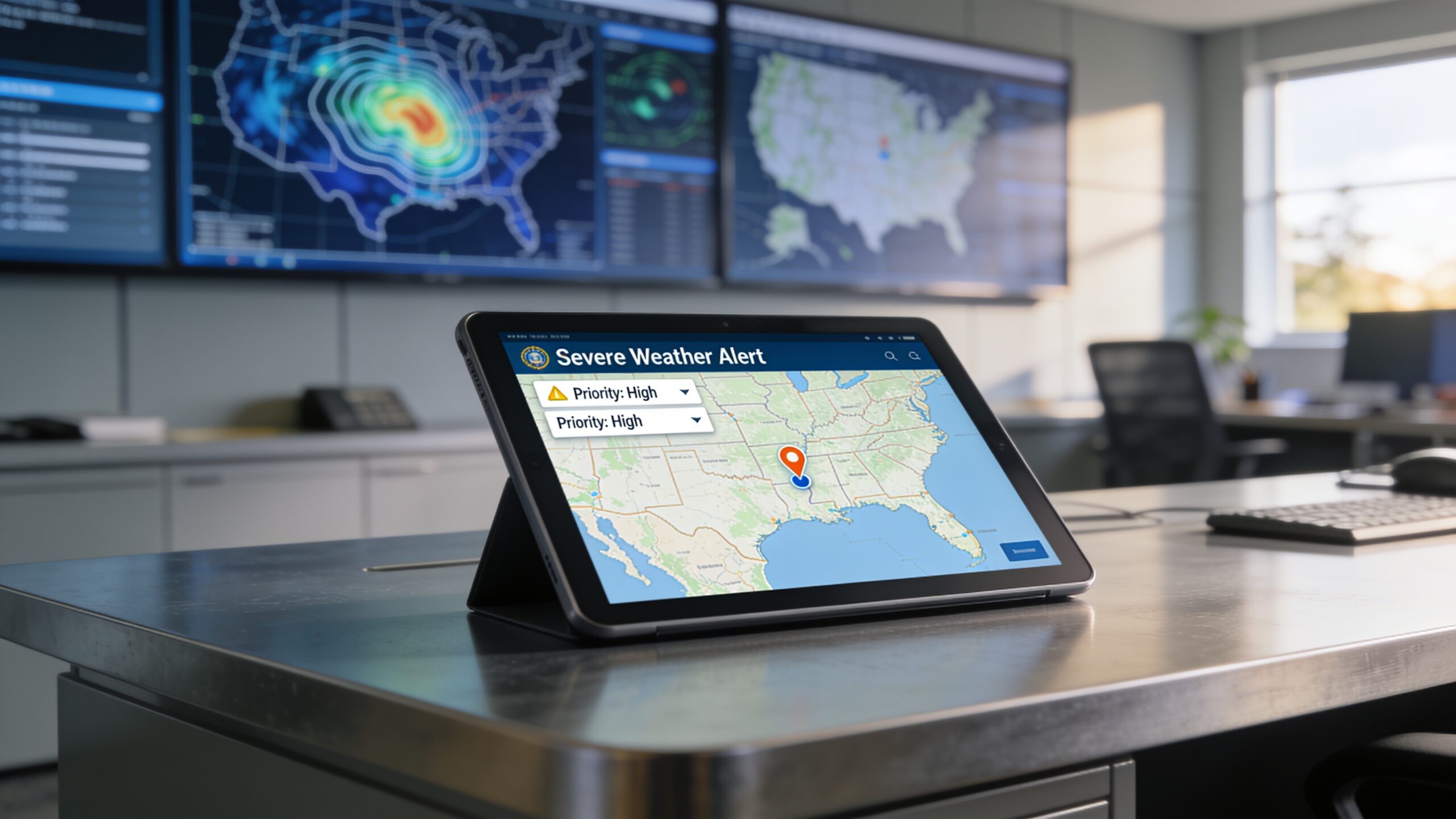
Emergency Public Safety Messaging: How Crisis Warning Systems and Global Broadcast Networks Protect International Communities
Emergency public safety messaging has fundamentally transformed the way modern societies respond to unexpected natural disasters and fast-moving industrial crises, changing public safety from a localized guessing game into a highly coordinated, instant global response. For generations, protecting civilian populations from approaching storms or sudden infrastructure failures relied on slow, deeply flawed channels, such as mechanical outdoor sirens, local radio bulletins, or door-to-door physical notifications that rarely reached everyone in time. Today, this old way of managing public crises faces severe resistance as international safety agencies realize that saving human lives requires real-time digital text delivery, multi-channel broadcast backups, and clear, panic-free writing structures.

To construct a highly engaging, long-term perspective that benefits local safety directors and emergency management professionals across the United States and European nations, we must re-examine crisis communications from the ground up. This means looking far past basic social media posts and thoroughly analyzing automated wireless cellular broadcasts, orbital satellite alert grids, simplified multi-language translation templates, and accessible audio warning networks that bypass broken power lines while maintaining total factual accuracy. For public officials seeking a practical, deeply detailed blueprint for this protective communication shift without getting lost in dense engineering jargon, studying these structural pillars reveals the true future of global human preservation.
Cellular Broadcast Infrastructure and Instant Population Alerting
Deploying a modern civilian protection network relies heavily on bypassing standard text messages to deliver emergency public safety messaging via secure cellular frequencies. This initial section covers the core technological infrastructure required to alert millions of citizens simultaneously within a targeted geographic zone.
Wireless Emergency Alert Protocols and Cell-Tower Broadcast Integration
Utilizing specialized wireless emergency alert protocols allows public safety agencies to push critical text warnings directly to every active mobile device connected to local cell towers. Unlike standard text messages that get stuck in massive network traffic queues during a crisis, these broadcast signals bypass normal cellular channels entirely to arrive instantly. This direct tower transmission guarantees that thousands of nearby citizens receive life-saving instructions simultaneously, regardless of network crowding.
Geofenced Location Targeting and Micro-Regional Warning Boundaries
Drawing highly precise digital boundaries around active hazard zones—such as a rising flood basin or a spreading wildfire line—ensures that warnings only target people directly in harm’s way. Modern location-targeting software maps these custom danger zones instantly, isolating specific cell towers to broadcast alerts only to devices within the high-risk perimeter. This geographical precision prevents widespread public warning fatigue, ensuring that citizens take local alerts seriously.
Custom Audio Warning Tones and High-Vibration Sensory Penetration
Equipping public hazard notifications with unique, high-pitched audio frequencies and distinct vibration patterns ensures that messages break through deep sleep or heavy daily background noise. These standardized sound profiles are built specifically to bypass normal phone volume silencers, catching a user’s attention instantly during midnight emergencies. This intense sensory design protects vulnerable populations, making sure no one accidentally sleeps through an urgent evacuation order.
Battery-Efficient Signal Pushing and Device Power Preservation Rules
Optimizing the underlying code of civilian alert signals ensures that incoming warning windows do not drain precious smartphone battery reserves when local power grids fail. The text data packets are kept incredibly small, requiring minimal device processing power to display bold warning text on screen. Preserving phone battery life allows stranded citizens to maintain vital lines of communication with rescue teams over the following days.
Satellite Broadcast Networks and Off-Grid Communication Redundancy
The lasting reliability of an emergency public safety messaging framework depends heavily on maintaining clear communication paths when terrestrial cell towers are physically destroyed by disasters. This section explores how space-based assets keep communities informed.

Low-Earth Orbit Satellite Warning Feeds and Direct-to-Device Alerts
Linking regional safety dashboards to moving low-Earth orbit satellite networks allows operators to beam critical warning updates straight down to consumer smartphones without relying on ground infrastructure. This direct space-to-phone connectivity acts as an invaluable safety net when earthquakes or hurricanes flatten local cellular towers completely. Keeping these space paths open ensures that isolated communities stay fully informed throughout the worst phases of a natural disaster.
Integrated High-Definition Weather Satellite Monitoring and Automated Early Triggers
Connecting advanced weather tracking satellites directly to automated public warning networks cuts down the crucial time needed to alert communities facing fast-moving tornadoes or flash floods. Smart computer algorithms scan live atmospheric pressure drops and shifting cloud heat signatures, triggering public alert systems the moment dangerous metrics cross safety lines. This automated early warning gives families extra minutes to seek safe shelter, saving lives.
Solar-Powered Satellite Ground Receiver Hubs and Community Information Docks
Placing durable, solar-powered satellite information kiosks in central public squares provides rural villages with an un-brickable source of official safety updates during widespread grid blackouts. These rugged weather-proof stations download live emergency maps and supply distribution schedules straight from overhead satellites, displaying text on high-contrast screens. Providing these independent local hubs prevents chaotic rumors from spreading, keeping community response efforts organized.
Encrypted Satellite Command Links and Anti-Hijacking Security Protocols
Protecting space-based public warning feeds from malicious cyber attacks requires wrapping all satellite upload commands inside military-grade cryptographic protection layers. Emergency management teams utilize secure, rotating security keys to verify every transmission, stopping hackers from sending fake evacuation panic loops to public screens. Hardening these orbital networks ensures that public safety channels remain entirely trustworthy through complex national crises.
Psychological Frameworks of Clear Crisis Writing and Panic Prevention
Delivering fast emergency public safety messaging is only half the battle; the wording itself must be structured carefully to guide human behavior without triggering dangerous stampedes. This segment analyzes the copywriting standards used by expert essayists.

Action-First Sentence Structuring and Eliminating Explanatory Fluff
Writing effective crisis alerts requires placing clear, direct action verbs right at the absolute beginning of your message text, completely cutting out unnecessary background explanations. Confused citizens experiencing extreme stress cannot process long, wordy paragraphs explaining why a chemical tank leaked or where a storm started. Stating the exact action first—such as “Evacuate east immediately”—gives readers clear direction, reducing hesitation when seconds count.
The Source-Hazard-Action Triad Framework and Message Architecture Rules
Structuring public safety updates around the verified source-hazard-action model ensures that every alert answers three vital questions within a single glance. The message must state clearly who is issuing the warning, what the immediate danger is, and exactly what steps the citizen must take to stay safe. Using this clean, predictable layout cuts down public confusion, helping people make smart, rational decisions under pressure.
Absolute Specificity in Location Wording and Avoiding Vague Regional Names
Replacing broad, confusing county names or vague neighborhood terms with clear, well-known landmarks and distinct street boundaries prevents citizens in safe zones from panicking unnecessarily. Public alerts should reference easily recognizable highway intersections, prominent rivers, or local civic buildings to define danger areas perfectly. Being specific with local geography ensures that only the people truly in danger take up road space.
Pre-Translated Language Templates and Instant Dialect Swapping Controls
Maintaining a large digital library of pre-written, safety-approved warning templates in multiple European and international languages allows operators to blast multi-lingual updates within seconds of a crisis. When an unexpected emergency strikes, staff simply select the active hazard and swap local dialects with a single click, instantly reaching immigrant communities and visiting tourists. This inclusive language preparation removes dangerous communication delays, protecting everyone equally.
Inclusive Alerting Architectures and Accessible Multi-Sensory Media
The final protective layer of a modern emergency public safety messaging strategy involves designing alerts so they are perfectly understood by individuals with varying physical abilities. This segment details how multi-sensory formats save lives.

Automated Speech Synthesis Conversions and Screen-Reader Friendly Code
Converting text warning alerts into crystal-clear spoken audio paths automatically ensures that blind and visually impaired citizens receive urgent safety updates simultaneously with everyone else. Public web pages use clean, un-cluttered coding structures that allow text-to-speech software to read aloud evacuation steps without getting tripped up by broken symbols. This accessible design approach ensures that critical survival details reach every member of the community.
Simplified Visual Icon Systems and Text-Free Hazard Indicators
Designing bold, universally understood visual graphics to accompany text public warnings allows children, non-native speakers, and illiterate individuals to understand dangers instantly. A simple, high-contrast drawing of a rising wave or a burning flame tells readers exactly what type of hazard is approaching without requiring them to read complex sentences. These clean icons speed up human understanding, allowing for faster family preparations.
High-Intensity Strobe Integration and Smart Home Warning Connections
Linking public alert hubs directly to consumer smart home networks allows emergency systems to flash household LED lightbulbs in distinct color patterns during urgent midnight crises. This high-intensity flashing light setup provides an un-missable visual warning for deaf and hard-of-hearing individuals who cannot hear standard audio sirens. Integrating household tech into the public safety web ensures that critical alerts reach deep inside every home.
Low-Bandwidth Text-Only Mirror Sites and Lightweight Data Feeds
Hosting lightweight, text-only mirror versions of official public safety websites ensures that citizens can access critical updates when local internet speeds slow to a crawl. These stripped-down emergency pages remove heavy decorative imagery and tracking codes, loading instantly on old cellphones over weak data connections. Providing this low-data alternative keeps communication channels completely open when infrastructure web traffic peaks during evacuations.
Frequently Asked Questions (FAQ)
Does receiving a wireless public safety alert consume my personal phone data plan?
No, absolutely not. Public safety warnings sent via wireless emergency alert systems utilize dedicated broadcast frequencies that operate completely separate from your personal mobile data or text messaging plans. These vital safety notifications are entirely free to receive, ensuring that every citizen has access to life-saving information regardless of their mobile account balance.
Why do public emergency alerts use a distinct, harsh sound instead of a standard ringtone?
The harsh, high-pitched audio frequency used for public safety alerts is scientifically engineered to cut through heavy ambient noise and break through deep human sleep cycles instantly. This unique sound profile is built to bypass your phone’s regular silent or do-not-disturb settings, ensuring that you are woken up immediately during urgent midnight natural disasters.
How do geofenced public safety warnings prevent traffic jams during a city-wide evacuation?
By using precise tower targeting, emergency teams only send evacuation alerts to the specific neighborhoods inside the active danger zone, rather than panicking the entire city. This targeted alerting approach keeps safe neighborhoods off the highway systems, leaving major evacuation roads clear for the families who need to move immediately.
Can old mobile phones still receive satellite-based emergency alerts during cell tower blackouts?
Standard older mobile phones require active ground cell towers to receive text messages and cannot connect directly to deep space satellites. However, local emergency teams deploy solar-powered satellite information kiosks in public squares, providing older phone users with a reliable central location to read live updates during widespread grid blackouts.
Final Conclusion: The Lasting Peace of an Empowered Public
Embracing the sophisticated innovations driving modern emergency public safety messaging outlines an incredibly rewarding pathway that permanently elevates how human lives, local neighborhoods, and global communities are protected during unpredictable crises. The outdated era of listening for distant, confusing outdoor sirens, waiting for slow local radio updates, and dealing with vague, panic-inducing text alerts has officially come to a close. It is being replaced by a resilient, multi-layered public safety framework built around cell-tower broadcasts, orbital satellite networks, and highly accessible, clear writing rules that value human understanding above all else. By centering your municipal safety budget on localized tower geofencing, multi-language alert templates, and inclusive smart-home tech integrations, you easily shield your civilian population from dangerous logistical delays while building absolute trust in official reporting channels. As public safety networks across the United States and European nations continue to raise their protection baselines, the emergency directors who achieve the highest community longevity will be those who construct their crisis messaging pipelines on top of stable, clear, and universally accessible digital networks.

1 thought on “Emergency Public Safety Messaging: 16 Life-Saving Rules”