
Global Inflation in 2026: Causes, Trends and What It Means for the World.
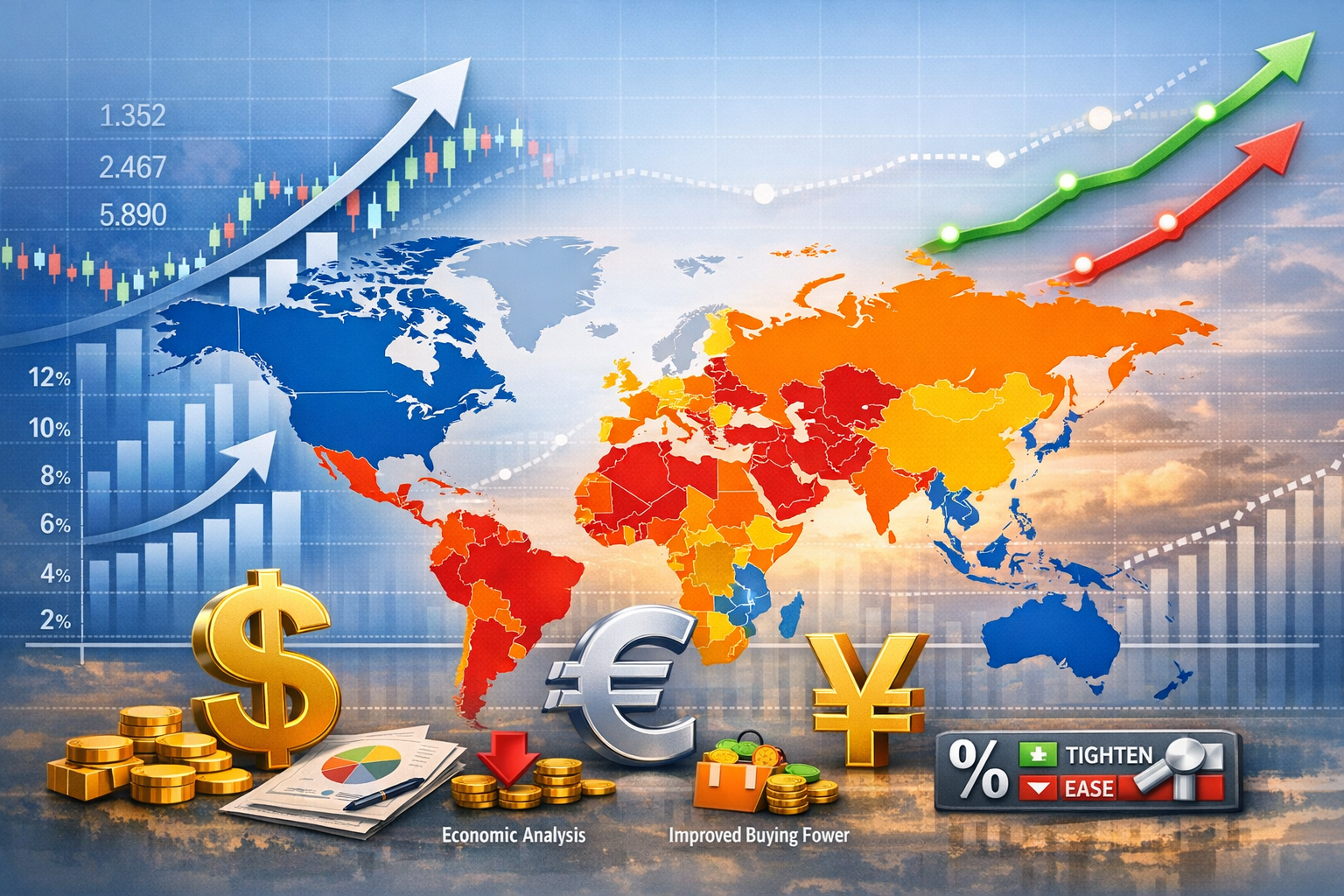
Inflation is one of the crucial economic problems that define the global scenario in 2026. Even though inflation has reduced significantly from the high spikes witnessed during the period of the coronavirus pandemic, its impact remains unevenly distributed among the various regions. This causes both positive outcomes in some countries as well as negative impacts on others. It is therefore imperative to comprehend the distinctions between these two categories.
Understanding Inflation in Simple Terms.
Inflation is described as a process of increasing prices for goods and services in the market, which results in the loss of purchasing power of currency. The rise in inflation causes people to observe that the value of their money does not purchase as many goods and services as it used to previously.
Why Inflation Matters in Everyday Life.
To many individuals, inflation is not simply an academic subject of economics but a tangible phenomenon that affects their expenditure and savings. With increasing prices, it becomes necessary for families to manage their finances by reducing unnecessary expenditures and concentrating on basic requirements. In the long run, this may impact the standard of living and stability, particularly in areas where wages do not match the rate of inflation.
Global Inflation Overview in 2026
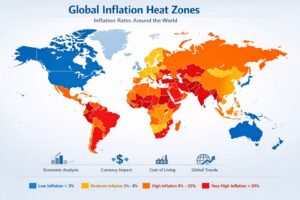
Inflation around the world in early 2026 appears to be quite diverse in nature. Some countries are enjoying price stability, but there are other countries where prices have risen to such an extent that the functioning of their economies is disrupted.
Countries Facing Extremely High Inflation
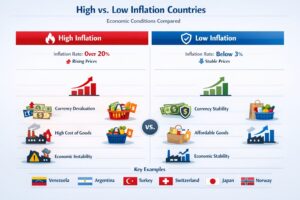
However, despite improvements in the global economy, there are regions in which the inflation rate continues to be worryingly high. Nations like Venezuela, South Sudan, and Zimbabwe are facing inflation rates that surpass 80%, while in some cases even approaching hyperinflation. In these countries, the rate of price increase is so steep that people have difficulty accessing basic requirements.
Stability in Major Economies
Conversely, larger economies like the USA, the Euro Zone, and China have been able to bring down inflation rates successfully. This is because inflation in these countries remains at an average level of 1% to 3%, bringing them close to the goals set by their respective central banks.
Why Inflation Differs Across Regions
The differences in inflation rates among countries are caused by different factors such as structure, economics, and politics. Different regions have different problems affecting their prices over time.
Supply Chain Disruptions and Global Trade
Although it is the year 2026, there is still an effect from the past disruption that affects international business. These include delays in production and transportation as well as raw materials shortages, which in turn affect the costs of doing business and increase prices for consumers.
Energy Prices and Their Global Impact
Energy prices have been among the major sources of inflation in most economies around the globe. Changes in the prices of fuel and petroleum products influence areas such as transport, production, and energy generation, among others. As a result, most aspects of the economy are affected by changes in energy prices.
Food Prices and Climate Challenges
The problem of rising food prices has been a significant concern in many regions around the world because of various reasons, including changes in climate, natural disasters, and political unrest. All of these cause disruptions in the process of farming, thus increasing the price of food commodities.
Key Inflation Trends in 2026
However, the future prospects for inflation on a global scale are defined by a number of key trends, which affect the patterns of inflation in 2026 and give us an insight into how things will develop in the coming few years.
Gradual Disinflation in Advanced Economies
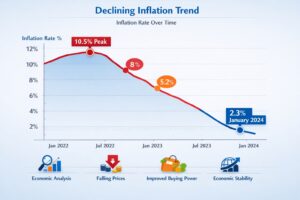
Developed nations are currently in a period referred to as disinflation, whereby inflation rates are falling. Prices are increasing; however, not at the same magnitude as before. This is attributed to the effects of tight monetary policy and favorable supply conditions.
Persistent Core Inflation
In certain parts of the world, especially within the service sector, the rate of inflation continues to be quite high. This phenomenon has been described as ‘core’ inflation, and it has been driven by issues like wages and the demand for services, making it difficult to reduce inflation rates.
Impact of Inflation on Daily Life
Inflation impacts people in various ways. This is done in such a way that the impacts might be subtle but impactful nonetheless. For example, due to increasing prices, it will become harder for people to adjust to economic conditions.
Rising Cost of Living
The first and foremost effect of inflation is the rise in the cost of living. Necessities like food, housing, travel, and health care services become more expensive, compelling people to spend more on fulfilling their basic requirements.
Declining Purchasing Power
Other consequences of the economic phenomenon known as inflation include the decline in the purchasing power of currency because its value decreases over time. Those people who earn a stable income may find it difficult to cope with such challenges.
How Governments Are Responding
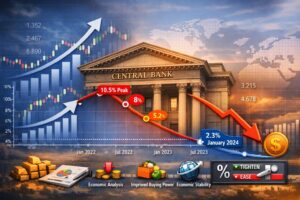
The role of governments and central banks in regulating inflation is very important by using different policy instruments which are aimed at balancing the economy and keeping prices at a desired level.
Interest Rate Adjustments
Adjustment of interest rates is one of the major measures taken by policy makers to curb inflation. Interest rates are increased to ensure that there is less borrowing and consequently less expenditure hence slowing down economic activities.
Monetary and Fiscal Policies
Interest rate fluctuation is not the only way that the government impacts the economy; other methods include managing the flow of money into the economy, tax policy, and the provision of financial assistance for needy groups.
Conclusion
Inflation in 2026 is a reflection of the intricate and ever-changing dynamics of the world economy, where advancements in one region are juxtaposed against difficulties in another. Although many developed nations are heading towards stability, the existence of high inflation in other countries indicates that the recovery process is far from uniform.
In light of the importance of comprehending inflation in modern times, it is vital to be aware of its implications on daily activities. Through education and adaptation, the influence of increasing prices can be effectively managed.

I Am An Expert In Writing Articles And Designing. It Is My Endeavour Through This Site To Provide You With A Variety Of News Across The World.
2 thoughts on “Global Inflation in 2026: Causes, Trends & Impact”