
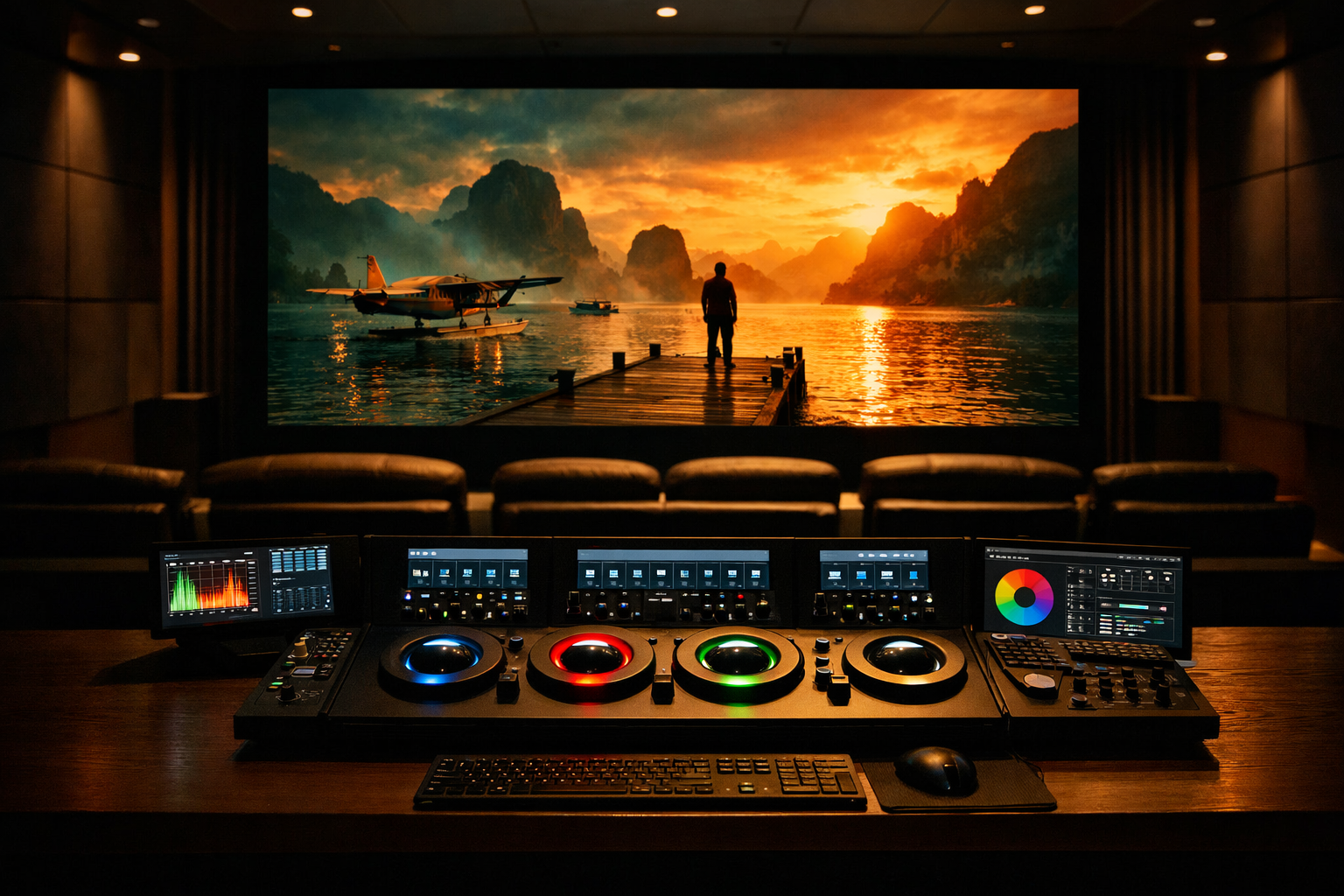
Modern Cinema Production Technology: How Virtual Architecture and Digital Ecosystems Are Transforming Hollywood
The technology associated with movie making has evolved extremely quickly from being an experimental set of specialized editing tools to becoming an essential component of the structure of the whole world’s entertainment industry. For decades, turning an idea into a movie used to be a highly unpredictable and costly endeavor involving numerous factors such as unpredictable weather conditions outdoors, large-scale construction of physical sets resulting in enormous amounts of garbage and complicated procedures of developing films with no possibility to view the results instantly. However, now, this old way of movie making faces great opposition as the film industry becomes aware of the need for collaboration and digitization.
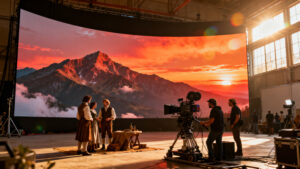
In order to build a truly immersive long-term vision that will positively affect both the individual producers and the major studio producers in the US and in European countries, we should examine the entire process of filmmaking at the very fundamental level. It implies looking beyond simple green screen technology to thoroughly understand the intricacies of real-time graphics engines, spatial audio systems, and automated post-production technologies to reduce any unnecessary overheads and increase the level of visualization. For those who want to get into the essence of this technological innovation, yet avoid unnecessary technical complexity, the above-mentioned core technologies will help reveal the future of worldwide storytelling.
Virtual Production Ecosystems and LED Stage Realism
To implement the full range of advanced cinema film technology requires utilizing the replacement of traditional green screen technology with innovative LED volume technology. The first part of this discussion outlines the technical background necessary to blend live performance with digital environments.
Curved LED Wall Infrastructure and In-Camera Visual Effects
By building large curving stages made up of LED lights, film directors will be able to record complicated visual backgrounds by filming through the camera lens live. These light screens show extremely detailed environments, which respond immediately to changes in camera angle and position. The innovative system eliminates the cumbersome process of post-production editing of green screens. It provides actors with an authentic physical environment.
Real-Time Spatial Camera Tracking and Sensor Alignment Matrices
Installing extremely accurate infrared sensors on your ceiling grid will allow your physical film cameras to be precisely coordinated with your background images on your computer. Such tracking grids constantly keep track of the distance between your camera and floor level, the angle of your camera lens, and the focal length of your camera lens, and send the information directly to your graphics rendering computer.
High-Power Real-Time Render Engines and Asset Pipeline Optimization
To power huge LED volume walls, it is essential to hook up high-end computers that have graphics rendering software which enables millions of polygons to be produced in split seconds. Such computer software has been designed to manage the changes in lights, changes in weather and shadows in real time with no lag in display. By using such computer processing channels, directors can switch digital sets from bright desert to wet alleyway within a single click.
Natural Environmental Reflection Mapping and Pixel Pitch Densities
By taking advantage of the small gap between pixels in modern LED screens, any distortion in patterns on the screen is avoided whenever filming background images at a close distance to the screen. The light produced by these high-intensity lights is then reflected in an organic way on the real actors, the texture of clothes, and metallic objects placed on the actual stage floor.
Advanced Camera Capture Systems and Optical Sensor Innovations
For one to get more out of their visual storytelling capabilities within the framework of modern day cinema production technologies, they have to make use of state-of-the-art optical sensors that can capture incredible color information.
Large-Format Global Shutter Sensors and High-Speed Motion Accuracy
The installation of the state-of-the-art global shutter sensor system within the latest cinema cameras permits filmmakers to shoot extremely rapid action shots without being troubled by the problem of image distortion. The traditional rolling shutters scan each frame of the scene line by line, and therefore create distorted images of objects like whirling fan blades and rapidly moving vehicles, showing them in distorted diagonal lines.
Dual-Native ISO Architecture and Low-Light Sensitivity Thresholds
Dual native amplification pathways of camera sensor technology enable filmmakers to shoot amazing images that are not plagued by any noise at all in very dark settings. It is possible to increase the base sensitivity level of the sensor immediately and clean up shadows of images without compromising any highlights of color details. With such options, production teams can shoot using natural moonlight or weak artificial lights like streetlights.
Motorized Internal Anamorphic Lenses and Cinematic Texture Alignment
Combining state-of-the-art large-sensor digital technology with high-quality anamorphic optical glass creates a beautiful, wide-screen cinematographic point of view that mirrors the classical style of celluloid Hollywood films. These sophisticated lens enclosures use automatic stabilizers to regulate small lens flares and ovals of blur backgrounds. Such technological combination results in amazing visual graininess, giving independent filmmakers an easy way to achieve high-end look formats.
Real-Time Metadata Harvesting and Lens Distortion Profiling
In today’s modern film-making industry, intelligent film lenses automatically log all changes in focus distance, aperture values, and focal lengths into the actual footage being captured. Visual effects artists utilize the information logged by these lenses to accurately align their virtual 3D model animations to the actual movement of the camera in post-production. The automatic logging of this metadata saves many man-hours in the post-production process.
Immersive Spatial Audio Architecture and Soundfield Engineering
Integrating a level of emotional realism into the modern film industry requires blending clean images with an advanced sound production system that is based on object tracking in space. This section focuses on the process of creating soundscape.
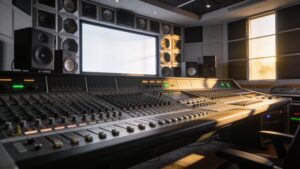
Object-Based Spatial Audio Mixing and Three-Dimensional Soundfields
By transforming post-production sound studios into more sophisticated object-based spatial audio technology from the old-fashioned flat-channel mixing system, amazing possibilities are available to contemporary sound designers. The way that audio engineers manipulate each sound source such as an airplane or a falling tear is as a point in a three-dimensional virtual environment. It becomes possible to create soundscapes that move effortlessly around the theater stage putting the spectators right in the middle of everything.
Directional Overhead Speaker Arrays and Acoustic Enclosure Matching
By incorporating synchronized overhead speaker arrays within today’s movie theaters, sound editors will be able to create realistic vertical sound movement with stunning precision. State-of-the-art speakers feature acoustic waveguides that direct particular frequencies of sound, such as rainfall or rumbling from planes, directly at the audience members. This physical direction of sound enhances the visuals on the screen, creating an engaging sensory atmosphere for the audience.
Algorithmic Dialogue Isolation and Background Noise Elimination
Feeding unprocessed audio files into isolation scripts using artificial intelligence ensures that the post-production crew can extract the muddled spoken voice from the ambient background wind sound instantaneously. These intelligent audio technologies accurately measure the human voice frequency without interfering with the genuine emotions portrayed by the actor’s voice while removing the sounds of traffic in the background.
Dynamic Headphone Stabilizer Mapping and Mobile Sound Delivery
Converting large-scale multi-channel theater mixes into small binaural file formats guarantees that viewers watching their favorite movies on tablets or smart phones will have the experience of enjoying superior spatial audio. Using advanced software plug-ins, you can emulate sophisticated room acoustics within regular headphones that will make it seem like you are in a huge luxurious theater setting.
Decentralized Cloud Post-Production and Automated Color Workflows
The final structural layer of an efficient modern cinema production technology model involves linking remote editing teams together through secure cloud networks. This segment details how automated workflows accelerate final master delivery.
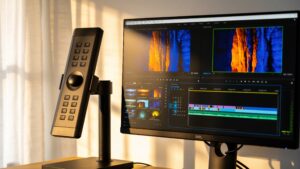
Global Cloud Editing Pipelines and Real-Time Proxy Synchronization
With the help of such an integration of the global team of editors with the centralized network of cloud-based storage, several artists can edit the same movie in a high-resolution format at the same time from all around the world. Software systems create miniatures of videos, which are uploaded in just a couple of seconds to the remote workstations, where each creative editing is automatically synchronized throughout the whole production process.
Automated Artificial Intelligence Script Analysis and Intelligent Assembly
The use of smart software scripts to analyze raw footage clips greatly increases the efficiency of the rough cut phase of editing films immensely. The sophisticated software automatically analyzes hundreds of hours of films to find words from the script and place them on screen and automatically arranges the corresponding camera angles into timelines. This process allows humans to concentrate only on making dramatic scenes more interesting.
Unified Color Space Management and Consistent Display Calibrations
The use of open color profiles for every step of your production will ensure that all of your film’s unique colors look the same way from the camera sensor all the way through to the consumer screen. The open color profiles will make sure that any skin tone colors or shadow colors will not shift or wash out due to different computer operating systems.
Encrypted Secure Distribution Networks and Watermarked Review Nodes
Securing any proprietary assets of your movie that have not yet been released entails wrapping your distribution channels in highly advanced levels of encryption that are akin to those used in military applications. Distribution chains utilize invisible digital watermarks that can be placed on each individual video file that gets distributed to your studio heads or remote distributors.
Frequently Asked Questions (FAQ)
Does implementing modern cinema production technology increase the overall budget of an independent film?
Although it does cost more to rent the latest LED volume walls and hire virtual production experts, this system often ends up saving indie filmmakers a lot of money in the long term. With the help of these state-of-the-art technology solutions, indie film producers can easily create gigantic visuals while avoiding costly travels and unfavorable weather conditions.
What is the primary difference between a traditional green screen and an LED volume wall?
The conventional green screen demands that visual effects experts replace the green screen background with virtual backgrounds only after several months of completing the filming process, causing an occurrence of poor lighting and green reflection of the actors’ skin tone. LED volume walls show photorealistic backgrounds live during shooting, projecting environmental light upon the actors, thus allowing directors to capture perfect visual effects directly in the camera lens.
Can old classic movie lenses be mounted on modern large-format digital camera sensors?
The old lenses of movies can actually be mounted on a digital camera body with the help of a special mechanical lens mount ring. Movie makers tend to use old, flawed lenses along with new sharp digital sensors in order to soften the textures of the computer and create a very warm organic look.
How do global editing teams protect unreleased movie footage from cybersecurity leaks over cloud networks?
Remote post-production pipelines protect highly sensitive movie assets by utilizing advanced, multi-layer encryption tools that require strict biometric security access from verified workstations. Furthermore, cloud platforms apply unique, hidden digital tracking watermarks directly onto individual video feeds, making it incredibly easy to track down the exact source of an unauthorized video leak instantly.
Final Conclusion: The Lasting Power of Engineered Storytelling
Embracing the sweeping innovations driven by modern cinema production technology reveals a deeply rewarding path that permanently redefines how human emotions and epic worlds are preserved on film. The historic era of exhausting film shoots plagued by unpredictable weather delays, chemical film errors, and tedious green screen edits has officially evolved, replaced by a sophisticated digital ecosystem centered around real-time rendering, global cloud collaboration, and pristine object-based sound design. By anchoring your production strategy around large-format global sensors, automated metadata logging, and strict color-space management standards, you can easily shield your entertainment assets from expensive logistical delays while delivering unforgettable cinematic stories to global audiences. As media platforms across the United States and European nations continue to shatter creative boundaries, the studios that achieve the highest cultural longevity will be those that build their artistic visions on top of stable, next-generation digital foundations.

1 thought on “Modern Cinema Production Technology: 16 Disruptive Tools”